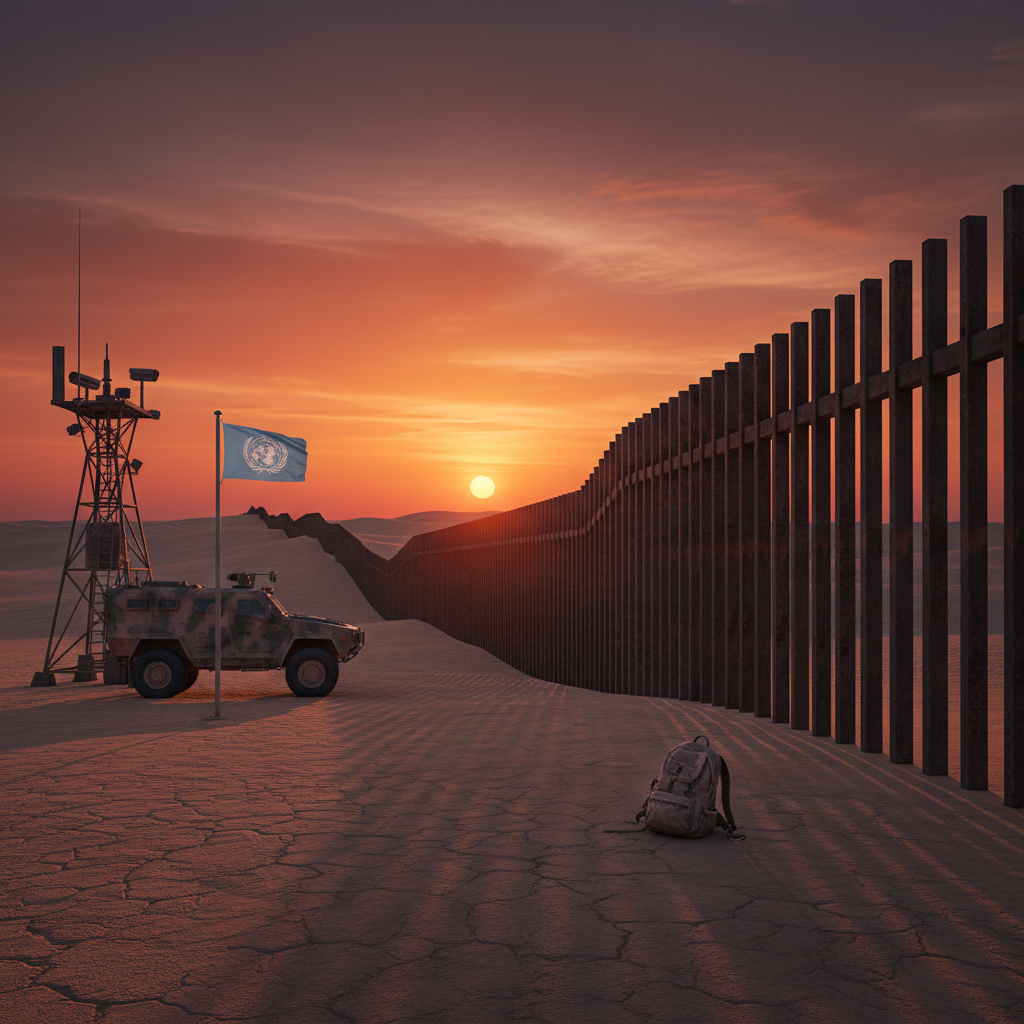
Administration Signals Broader Military Interventions in Colombia and Greenland Following Maduro Capture
Following the January 3 capture of Nicolás Maduro in Caracas, President Donald Trump has signaled that the military operation serves as a blueprint for future foreign policy. The administration indicated on Saturday that Colombia and Greenland remain potential targets for intervention under a newly aggressive strategy to secure resources and borders.
Evolution of Regional Policy Leads to Aggressive Stance
The recent raid on Caracas represents a dramatic shift from the sanctions-heavy approach of the previous decade. President Trump’s policy has evolved into what experts describe as a modern expansion of the Monroe Doctrine, this new approach asserts U.S. authority to act as a police power across the Western Hemisphere. This strategy prioritizes resource acquisition and border security over traditional diplomatic alliances, officials cite the need to control oil reserves and stop drug trafficking as primary motivators. The administration recently designated Venezuelan cartels as unlawful combatants, this classification allowed the military to bypass standard congressional war authorizations typically required for such operations.
Executive Branch Identifies Next Targets for Strategic Intervention
Administration officials outlined a broad list of nations that may face similar actions if they oppose U.S. interests. Colombia has emerged as a primary focus due to ongoing cocaine production concerns, President Trump engaged in a tense call with Colombian President Gustavo Petro regarding the issue. The White House also revived interest in acquiring Greenland for its rare earth minerals, the president suggested seizure remains an option if diplomatic purchase negotiations fail. Officials warned Havana to negotiate immediately or face consequences similar to the recent regime change in Venezuela.
Legal Framework Supports Unilateral Action
Secretary of State Marco Rubio defended the legality of these expanded operations by citing national security threats posed by narcotics and foreign influence. The Justice Department under Attorney General Pam Bondi has already prepared legal justifications for future interventions based on the "unlawful combatant" designation. Critics note that the administration plans to manage Venezuela's oil sector directly to recoup costs, this sets a precedent for resource extraction in future military engagements. The focus remains on securing assets that can fund the occupation and infrastructure investment required in these territories.
Allies and Legislators Brace for Diplomatic Fallout
International leaders expressed alarm regarding the rapid expansion of U.S. military ambitions. European allies warned that unilateral moves against sovereign nations like Denmark or Colombia could fracture long-standing defense pacts. Domestic lawmakers continue to debate the constitutionality of these actions after a War Powers resolution narrowly failed in the House, legal experts predict prolonged court battles over the limits of executive authority.
Observers expect tensions to rise as the administration moves to enforce demands against Havana and Bogota in the coming weeks, officials urge American travelers in the region to exercise extreme caution.