Atlanta Braves Cut Regional Rights Deal as Broadcasting Model Collapses Across Major League Baseball
The Atlanta Braves officially cut ties with Main Street Sports Group in early January 2026, this decision ends years of frustration regarding regional sports networks. Fans will now navigate a new viewing landscape involving local over the air channels and league led streaming options, the move signals a permanent shift in how sports are delivered.
Years of Financial Instability Force Broadcast Rights Shakeup
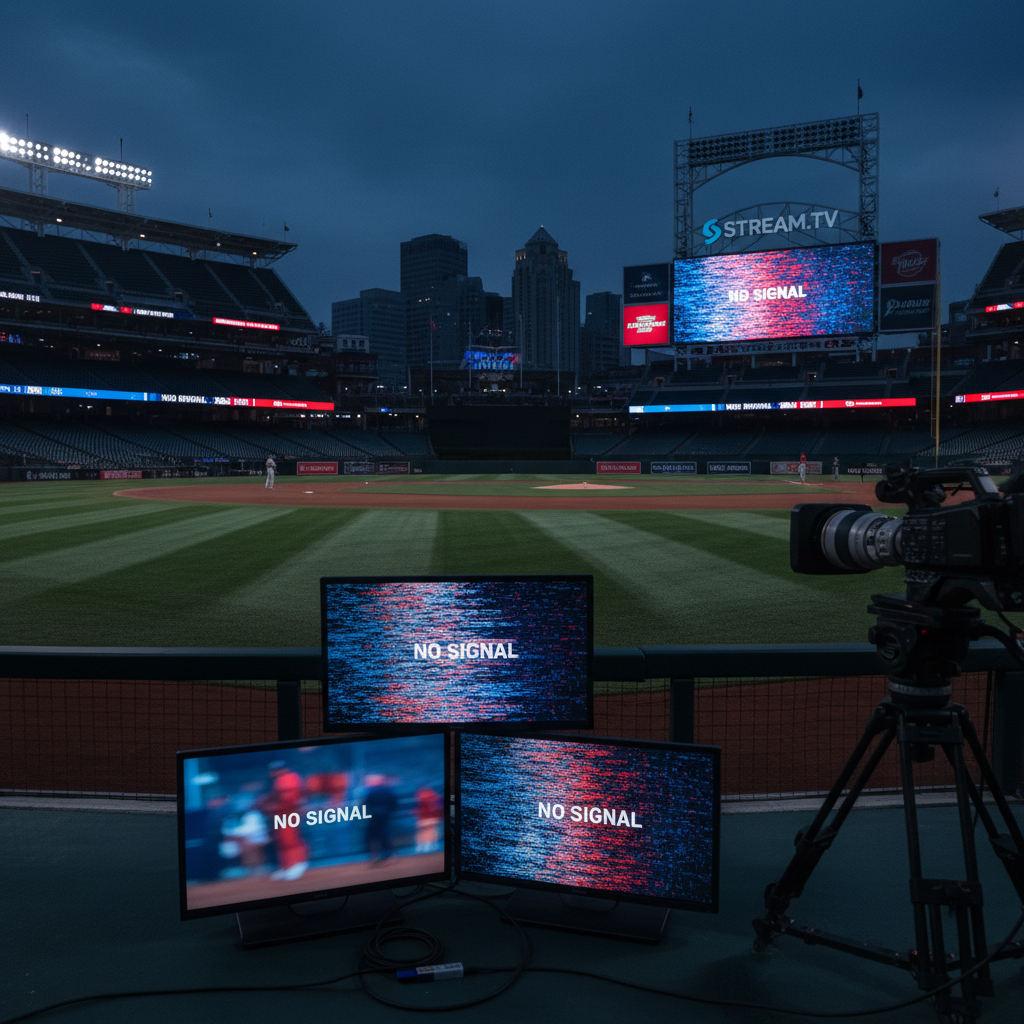
The collapse of the regional sports network model has been building for over a decade, the rise of cord cutting severely damaged the profitability of expensive cable bundles. Sinclair Broadcast Group purchased these networks in 2019 under the Bally Sports brand, high debt loads eventually led to a lengthy bankruptcy process that frustrated teams and fans alike. The channels rebranded as FanDuel Sports Network in 2025, however continued financial insolvency made the business untenable by the start of 2026. Viewers frequently suffered through carriage disputes and blackouts during this volatile period, the fundamental economics of charging high fees for exclusive local rights have broken down completely.
Nine Teams Exit Agreements to Launch New Viewing Platforms
The Braves joined eight other Major League Baseball franchises in ending their broadcast contracts during the first week of January, the team moves away from the exclusivity of the failing Main Street Sports Group. Future games will air through a combination of Major League Baseball produced streams and local stations like Gray Media and Peachtree TV, this strategy aims to maximize reach rather than collecting cable fees. National broadcasters including NBC and Peacock are securing rights for high profile Sunday night matchups, the Atlanta Journal Constitution has updated its digital listings to serve as a navigation tool for confused viewers.
Current listings reveal a patchwork schedule that requires fans to check daily assignments, the era of finding every game on a single cable channel is effectively over. The listings page has transformed from a simple schedule into a critical survival guide for following the season, the league has stepped in to ensure production quality remains high despite the chaos. This transition marks the most significant change in sports media distribution since the advent of cable television, the system is rapidly moving toward a direct relationship between teams and viewers.
Viewers Gain Access as Blackout Restrictions Finally Lift
Digital native fans benefit most from this shift as the notorious local blackout policy disappears, supporters can now stream games directly without needing a bundled cable subscription. The return to over the air broadcasting ensures that anyone with a standard antenna can watch home games, however the loss of guaranteed rights fees creates financial uncertainty for front offices. Team executives may need to adjust payroll budgets for free agents, the revenue model is transitioning from guaranteed contracts to performance based advertising shares.
The industry is moving toward a centralized streaming model similar to Major League Soccer. Officials urge fans to update their digital subscriptions and check local listings daily as the 2026 season approaches.