Bank of Japan Pauses Rate Hikes and Lifts Growth Forecasts Before Election
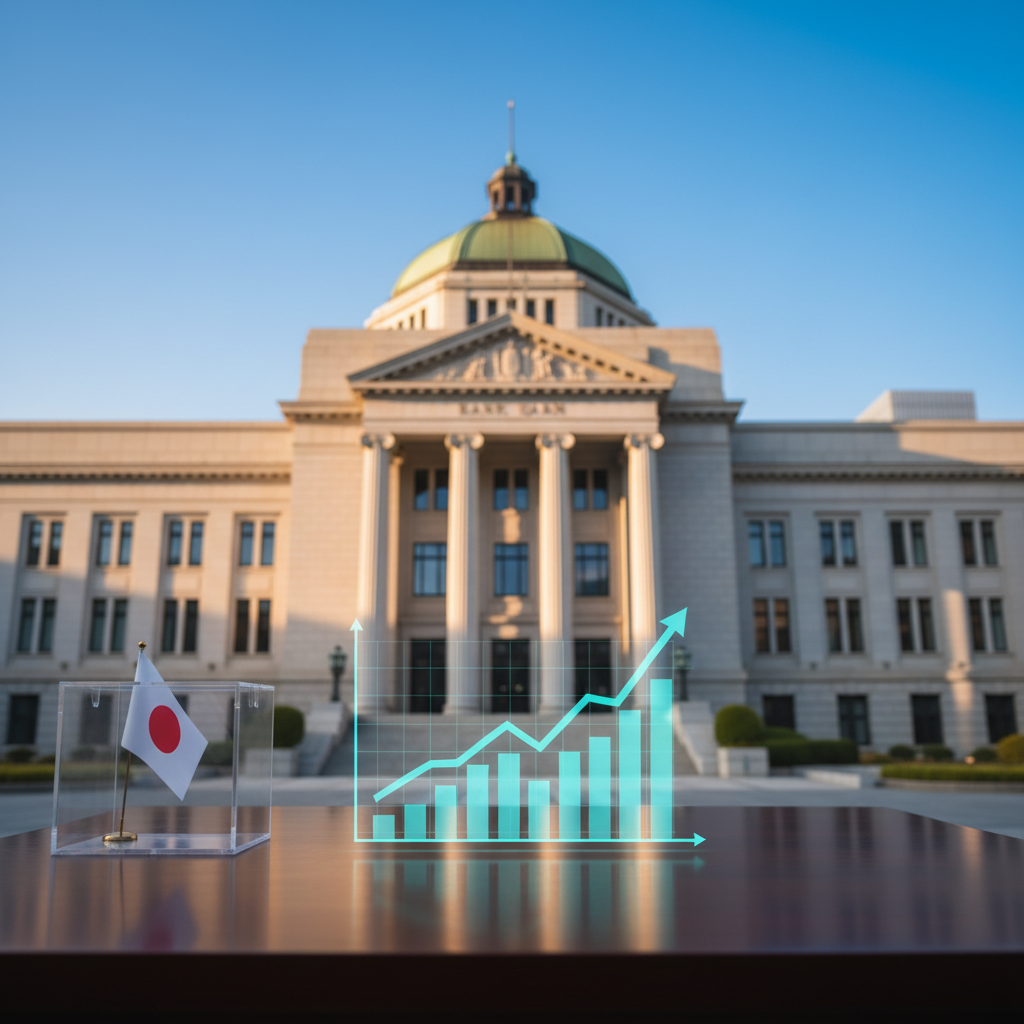
The Bank of Japan voted to keep its benchmark interest rate steady at 0.75 percent on Friday, the decision comes immediately after the prime minister dissolved parliament for a snap election scheduled for February.
Decades of Aggressive Stimulus Set Stage for Policy Normalization
Japan is currently navigating a complex exit from years of ultra-loose monetary policy, the central bank maintained negative interest rates until March 2024 to fight chronic deflation. Officials have since executed a series of gradual hikes, they raised rates to 0.5 percent in early 2025 and again to 0.75 percent in December. This current rate represents the highest borrowing cost the nation has seen since 1995, inflation has consistently exceeded the two percent target for over 45 months. The shift from stimulating the economy to managing price stability has created new challenges, policymakers must now balance growth against the risk of rapid inflation.
Board Members Upgrade GDP Outlook During January Meeting
The policy board voted 8-1 to hold the short-term rate at its current level, Governor Kazuo Ueda emphasized the need to observe the effects of the December hike before moving again. Hajime Takata cast the sole dissenting vote, he argued that waiting creates a risk of overshooting inflation targets and urged an immediate move to 1.0 percent. The central bank released revised economic data alongside the rate decision, officials upgraded the real gross domestic product growth forecast for the fiscal year ending in March 2026 to 0.9 percent.
The outlook for fiscal year 2026 also improved to 1.0 percent, policymakers noted that core consumer prices excluding fresh food are expected to rise by 1.9 percent. This upward revision suggests that the central bank sees solid footing for the economy, the data supports the view that Japan has moved past its era of stagnation. Governor Ueda is adopting a wait-and-see approach, he intends to verify that the economy can withstand recent adjustments before implementing further tightening measures.
Investors and Voters Face Uncertainty Following Political Shifts
The decision to pause rate hikes coincided with Prime Minister Sanae Takaichi dissolving the lower house of parliament, she is seeking a fresh mandate for her economic agenda during the February 8 election. Market analysts remain concerned about the Japanese yen, the currency has weakened to the 160 level against the dollar due to the interest rate gap with the United States. Takaichi advocates for significant government spending including a $783 billion budget, this fiscal expansion could force the central bank to hike rates faster than planned to offset inflationary pressure. Government bond yields have already surged to 27-year highs, lenders are bracing for further volatility as the political landscape shifts.
Economists expect the central bank to hold rates steady until spring wage negotiations conclude, future policy adjustments will likely depend on whether pay increases can sustain consumption levels amid rising living costs.