Connecticut Snow Sports Economy Hits Record High Value Amid Climate Pressures
The local winter sports sector generated **$66.2 million** in 2023, this figure represents a significant recovery for the state's outdoor industry. Recent data indicates a surge in revenue following the pandemic, resort owners are now investing in technology to secure their future against warming weather patterns.
Decades of Innovation Define Connecticut Winter Tourism Sector
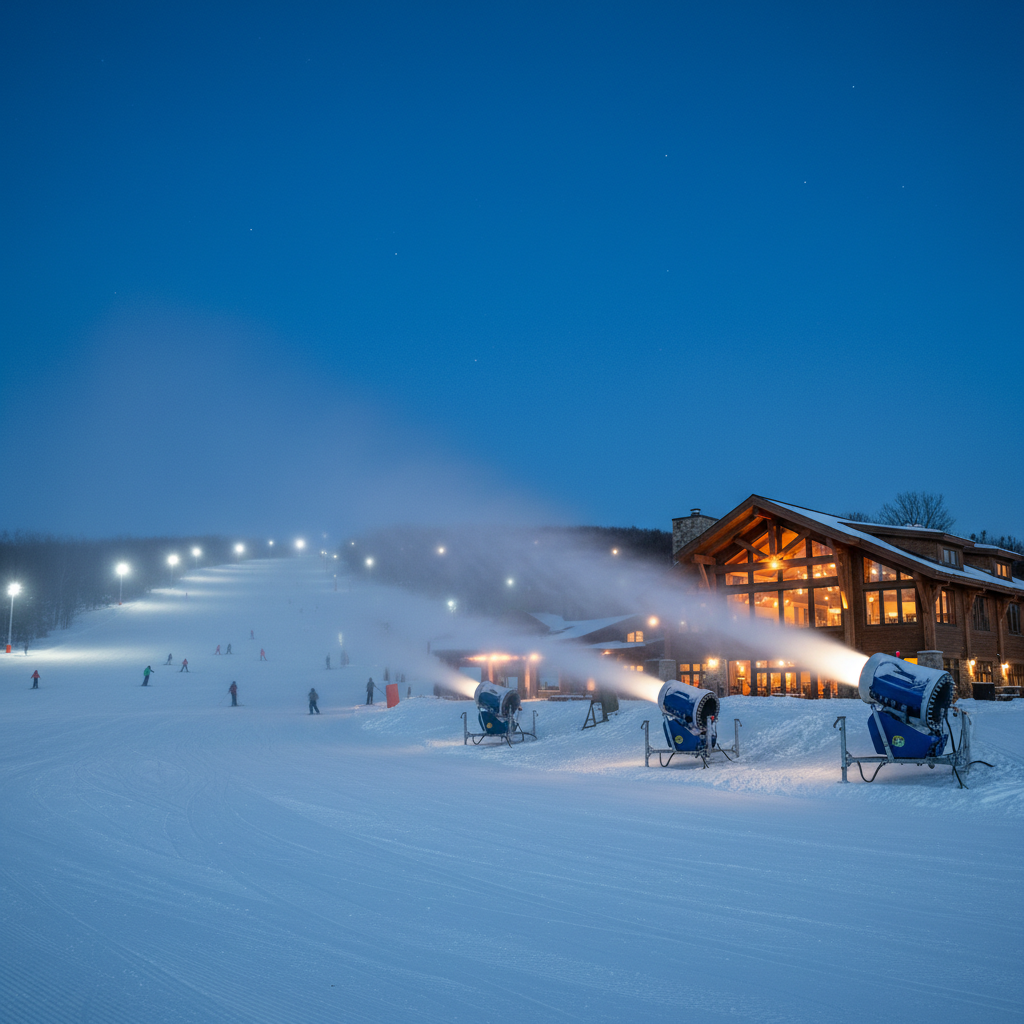
The state holds a unique position in ski history, Mohawk Mountain pioneered commercial snowmaking in 1947. This invention changed the global industry, it allowed resorts to operate despite unpredictable weather patterns. The sector has faced volatility over the years, some areas closed while others like Powder Ridge faced bankruptcy before major reinvestment. The industry currently makes up 1.2 percent of the state's **$5.5 billion** outdoor recreation economy, operators are now pivoting to year-round models to secure financial stability.
Federal Data Reveals Sharp Increase in Regional Economic Output
New figures from the U.S. Bureau of Economic Analysis show a surge in value for skiing and snowboarding, the sector grew nearly 40 percent since 2021. This represents a substantial recovery from previous years, local owners are responding with massive capital improvements. The four primary resorts are leveraging this growth to modernize their facilities, they aim to capture tourist dollars that might otherwise flow to northern neighbors like Vermont.
Local Governments Support Infrastructure Upgrades
Municipalities recognize the importance of these venues, the Southington Town Council recently approved an 80 percent tax abatement for Mount Southington. This relief supports $2.8 million in upgrades, resorts are also purchasing advanced equipment like Powder Ridge's $1.5 million snow factory. These investments aim to maintain operations even when natural temperatures rise above freezing, this technology is critical for survival.
Operators Face Shrinking Windows for Profitable Seasons
Industry experts warn that resorts need a 100-day season to remain profitable, climate models suggest this benchmark may become unreachable by 2039 without intervention. Owners are diversifying revenue streams to mitigate this risk, they are adding summer activities like mountain biking and tubing. Local skiers benefit from these changes, they gain access to year-round recreation options closer to home.
The industry continues to adapt to environmental changes, officials urge residents to support local hills. The shift toward all-season entertainment appears necessary for the long-term survival of Connecticut's historic ski areas.