Consumer Confidence Dips as Households Tighten Budgets Despite Strong Job Market Gains
A new economic report released this weekend reveals that Americans are growing increasingly pessimistic about their financial prospects, this shift in sentiment is driving a noticeable reduction in consumer spending despite low unemployment rates across the nation.
Persistent High Prices Weigh Heavily on Family Budgets
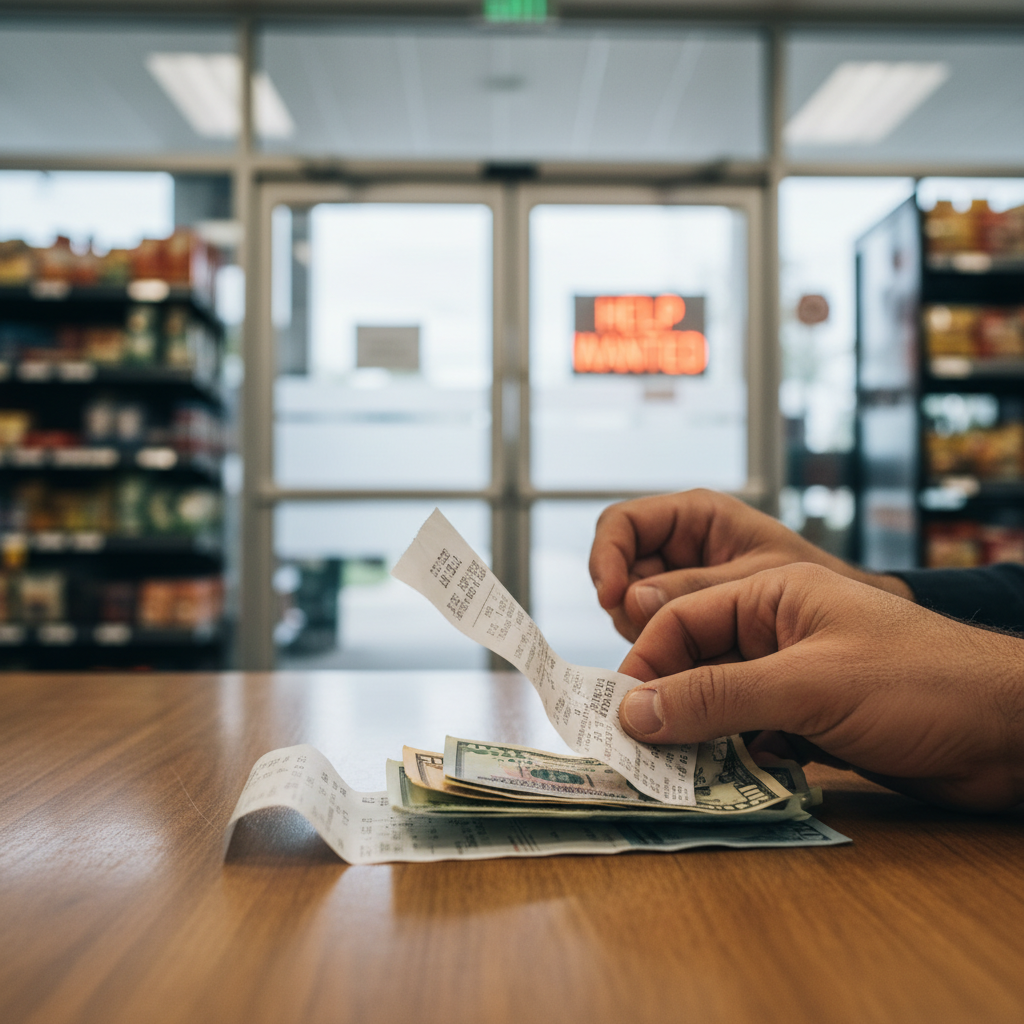
Economists have observed a troubling trend where macroeconomic stability does not translate to household security, the cost of living remains a primary concern for millions of residents. Inflation rates have technically cooled over the last twelve months, prices for essential goods like food and housing remain significantly higher than pre-pandemic levels. Wage growth has slowed in many sectors, paychecks are not stretching as far as they did in previous years. This cumulative loss of purchasing power has created a sense of economic anxiety, families are prioritizing immediate needs over long-term financial planning.
Study Shows Sharp Decline in Travel and Leisure Spending
The latest data indicates a fundamental shift in how Americans are allocating their monthly income, discretionary categories are seeing the steepest declines in activity. Households report cutting back on dining out at restaurants, many families are choosing to cook at home to save money on weekly food bills. Consumer confidence surveys suggest that vacations and travel plans are being postponed indefinitely, 62 percent of respondents indicated they would take fewer trips this year compared to 2025. This frugality extends to the entertainment sector, subscription services and event tickets are being cancelled at higher rates than analysts predicted.
Credit Card Balances Rise as Savings Deplete
Financial experts point to a worrying reliance on debt to maintain basic standards of living, credit card balances have swelled to record highs in the first month of 2026. Personal savings rates have simultaneously dropped, many individuals lack the emergency funds necessary to handle unexpected expenses. This reliance on credit creates a fragile financial foundation, consumers are becoming more vulnerable to potential economic shocks or interest rate fluctuations.
Retailers Prepare for Reduced Demand in Coming Months
Major retail chains are beginning to adjust their inventory strategies in response to these changing habits, companies anticipate slower sales growth for the first quarter of the year. Luxury brands are expected to take the hardest hit, shoppers are trading down to private-label products and value-oriented stores. Small businesses may struggle to maintain margins, local shops often lack the capital reserves to weather prolonged periods of reduced customer traffic.
Market analysts warn that this pullback in spending could eventually impact labor demand, officials urge policymakers to consider measures that alleviate the cost burdens facing working families.