Global Tourists Flock to International Costco Warehouses for Authentic Eats and Bargains
American travelers are rewriting their vacation itineraries to include an unexpected destination, tourists are visiting international Costco warehouses in record numbers to experience local culture through a retail lens. This growing trend sees vacationers bypassing traditional landmarks in favor of bulk aisles, they are seeking unique flavors and affordable souvenirs found only in foreign locations.
Evolution of Retail Tourism Reshapes Travel Habits
Retail tourism has evolved significantly since the early days of globalization, Americans once sought familiar brands abroad as a comforting taste of home during the 1980s. The narrative has inverted in recent years, modern travelers now visit US based chains to experience how they adapt to local cultures. Costco boasts over 133 million members who possess a universally valid passport to 800 locations, this accessibility transforms a simple grocery run into a cultural exploration.
The motivation extends beyond simple shopping needs, travelers view these excursions as a way to engage with the local economy while maintaining a safety net of familiarity. Families and long term travelers use these warehouses to mitigate decision fatigue, the predictable environment offers a break from the chaotic nature of navigating foreign cities. This shift highlights a desire for hybrid experiences, tourists want the thrill of discovery combined with the reliability of a trusted brand.
Localized Menus and Exclusive Products Draw Crowds
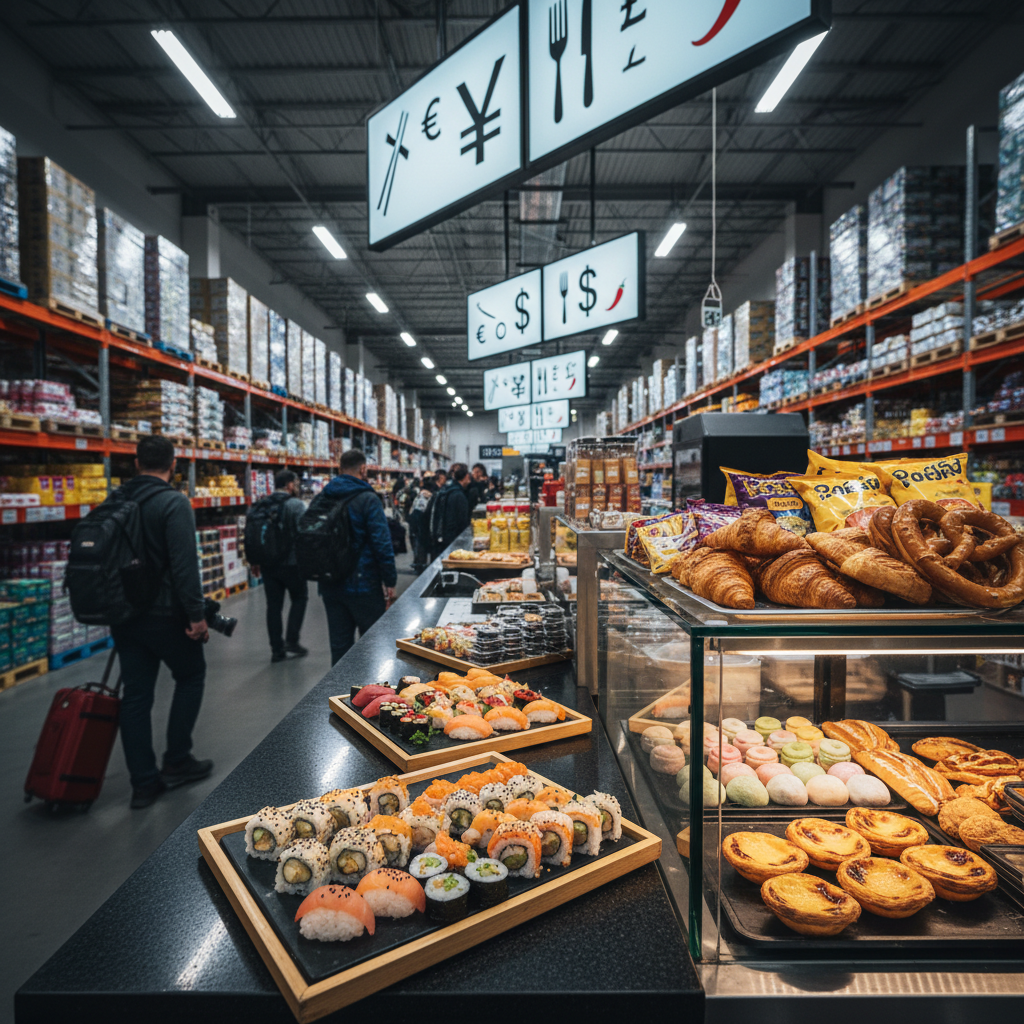
The primary allure for these retail pilgrims lies in the localized food court menus that differ vastly from American offerings, visitors to South Korea line up for hot bulgogi bakes while travelers in Iceland enjoy fresh gelato. Shoppers also use these trips for retail arbitrage, they buy regional specialties like Japanese whiskey or Scottish cashmere at significantly reduced warehouse prices compared to airport duty free shops.
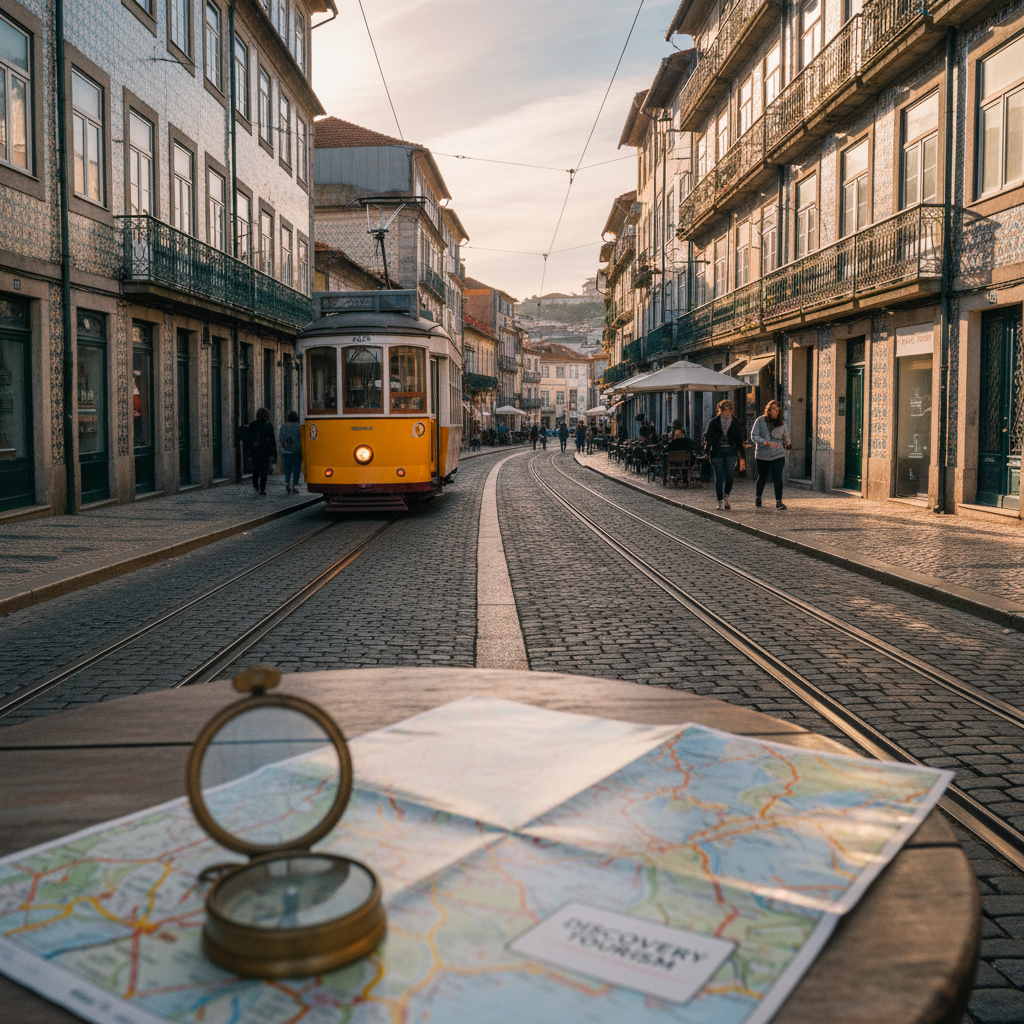
Social media platforms fuel this phenomenon, viral videos of international shopping hauls encourage millions of users to add these stops to their vacation maps. The distinct inventory mixes create a treasure hunt atmosphere for visitors, the shelves in Japanese warehouses feature premium sushi platters and Hokkaido milk soft serve. French locations offer bulk macarons and regional wines, these items provide a curated version of local culture without the high markup of tourist traps.
Regional Items Drive Viral Interest
The specific regional offerings have become social media stars in their own right, travelers document their finds to share with audiences back home.
- Canada features poutine in its food courts.
- Japan offers extensive fresh seafood sections.
- France stocks high end cheeses and wines.
Local Economies and Travel Budgets Feel the Shift
This travel strategy serves as an economic stabilizer for families facing inflation, tourists can offset the cost of luxury hotels by dining on affordable warehouse meals. The trend offers a psychological benefit known as a safe space, familiar environments reduce the stress often associated with foreign travel. Small local vendors may face challenges, tourist spending is increasingly diverted toward these massive international corporations instead of independent markets.
Experts predict this trend will expand as the retailer opens more locations in Asia, the definition of an authentic travel experience continues to shift toward value and novelty. Officials urge local businesses to adapt to these changing consumer behaviors, the integration of global brands into tourism is likely here to stay.