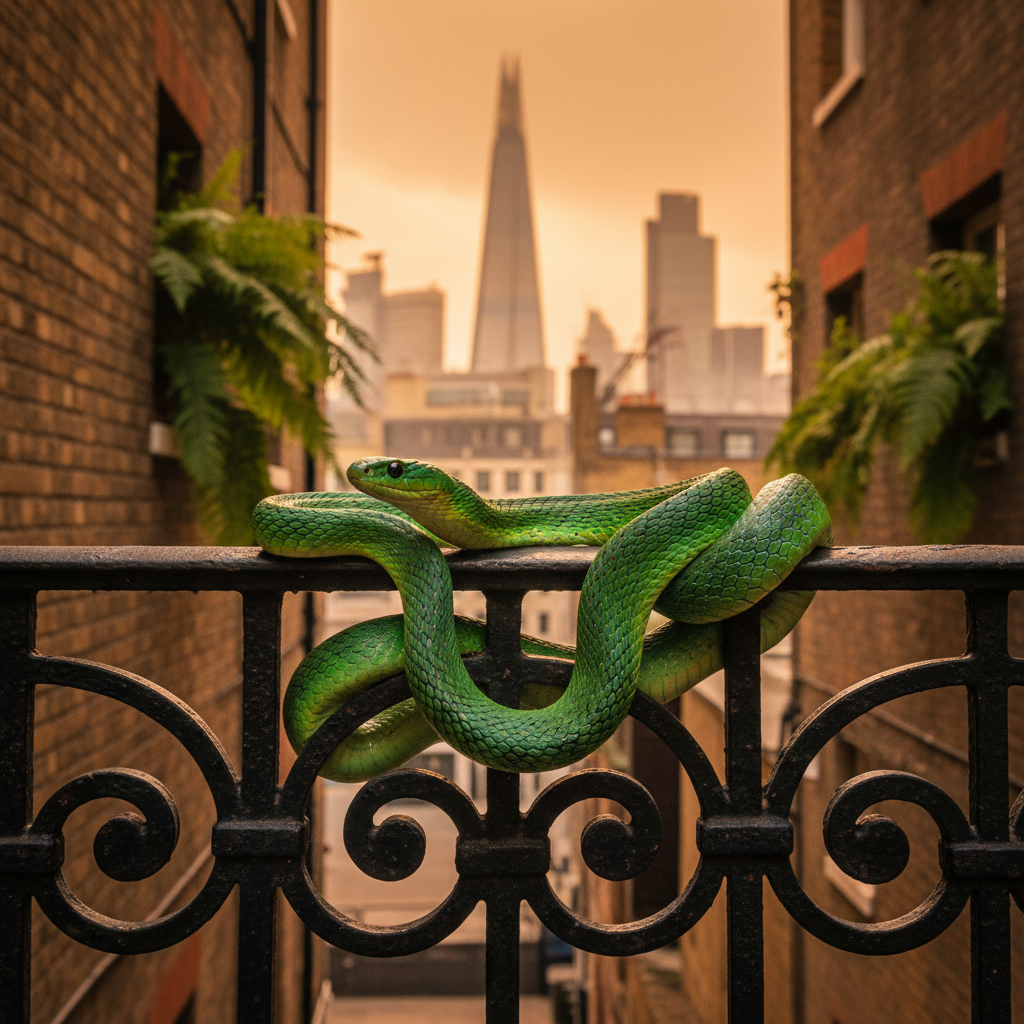
London Heat Island Effect Sustains Thriving Exotic Wildlife Populations
London has transformed into an unlikely sanctuary for exotic wildlife ranging from venomous scorpions to constricting snakes, this phenomenon is driven by the city's unique thermal environment. Scientists confirm that the capital now hosts thriving populations of species typically found in the Mediterranean or tropics.
Rising Temperatures and Urban Geography Enable Survival
The primary driver behind this biodiversity surge is the Urban Heat Island effect, this phenomenon keeps the capital up to 10°C warmer than nearby rural areas. These higher temperatures prevent waterways from freezing in winter, they allow cold-blooded creatures to survive year-round in environments that would normally be too hostile. Historical trade routes also play a critical role in this ecological shift, many species originally arrived via shipping containers or were imported as aristocratic gifts centuries ago. The dense network of railway embankments acts as a protected corridor system, this infrastructure allows animals to migrate safely through the concrete landscape without human interference.
Concrete Cracks and Canals Harbor Non-Native Residents
Recent surveys highlight several distinct colonies of exotic creatures adapting to city life with surprising resilience. Yellow-tailed scorpions have successfully established themselves in the cracks of masonry walls, they survive by lowering their body temperature during colder months to conserve energy. A population of roughly 40 to 70 Aesculapian snakes now lives along the Regent's Canal near the zoo, these non-venomous constrictors utilize the attics of nearby buildings for warmth and are considered one of Europe's largest snake species. The London Underground even hosts a unique subspecies of mosquito, this insect famously evolved to bite humans and thrived in tube shelters during the bombings of World War II.
Discarded Pets Create Waterway Hazards
Local ponds face a different challenge resulting from the "Ninja Turtle" craze of the 1990s, thousands of red-eared sliders and snapping turtles were dumped by former owners when the pets grew too large. These reptiles now dominate aquatic locations like Hampstead Heath and Southwark Park, they aggressively outcompete native species for food resources and basking spots. Unlike the benign scorpions, these invasive turtles represent a significant threat to the local biological balance.
Conservationists Weigh Ecological Risks Against Rewilding Benefits
The presence of these species creates complex challenges for local ecosystems, invasive terrapins decimate native frog and dragonfly populations across the city. However, experts note that the city often provides a safer haven than the pesticide-heavy countryside, the urban environment effectively shields vulnerable species from agricultural chemicals. Upcoming "Biodiversity Net Gain" laws will require developers to enhance nature, this policy may inadvertently create more pockets for these exotic residents to expand their range.
Officials predict that London's wildlife will continue to diversify as summer temperatures rise, future projections even suggest beavers and white storks could soon return to the capital's skyline.