Massive Winter Storm Fern Grounds 12,000 Flights and Threatens Infrastructure Across Eastern US
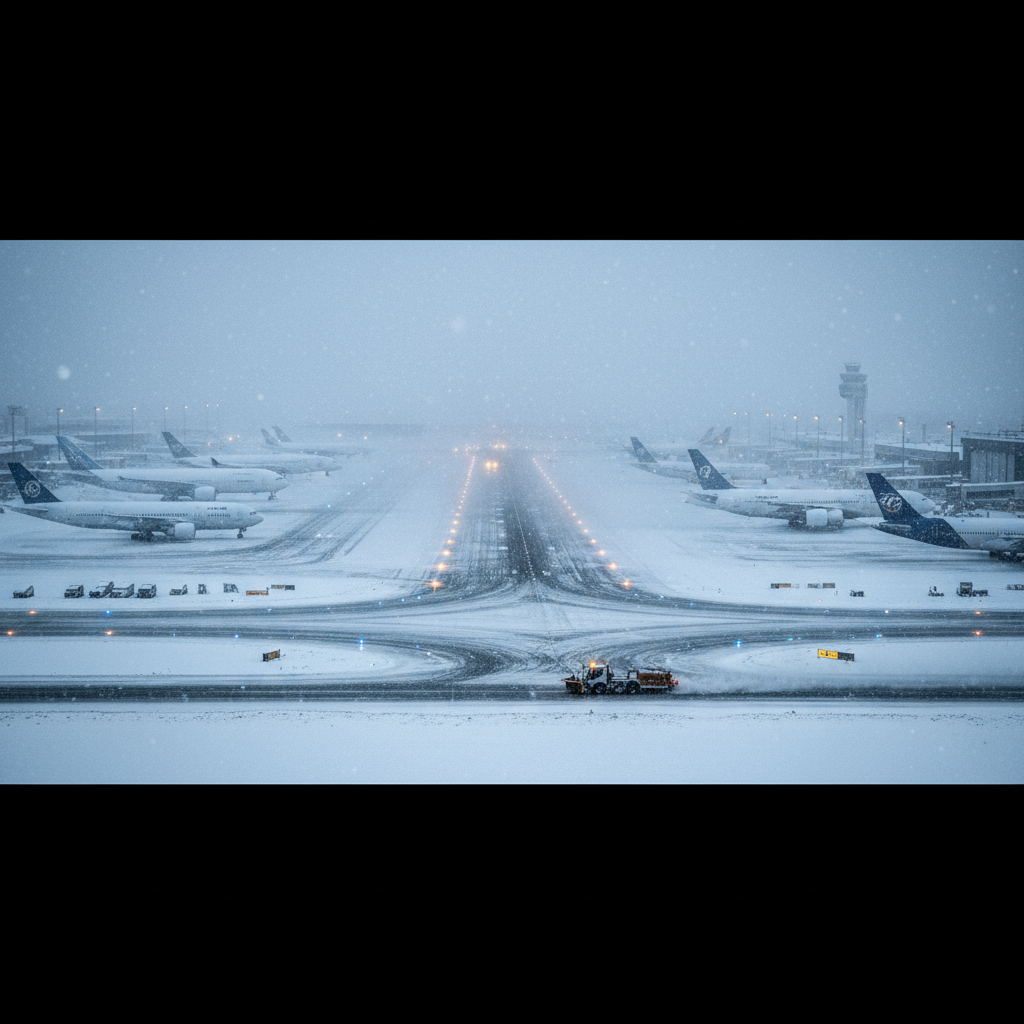
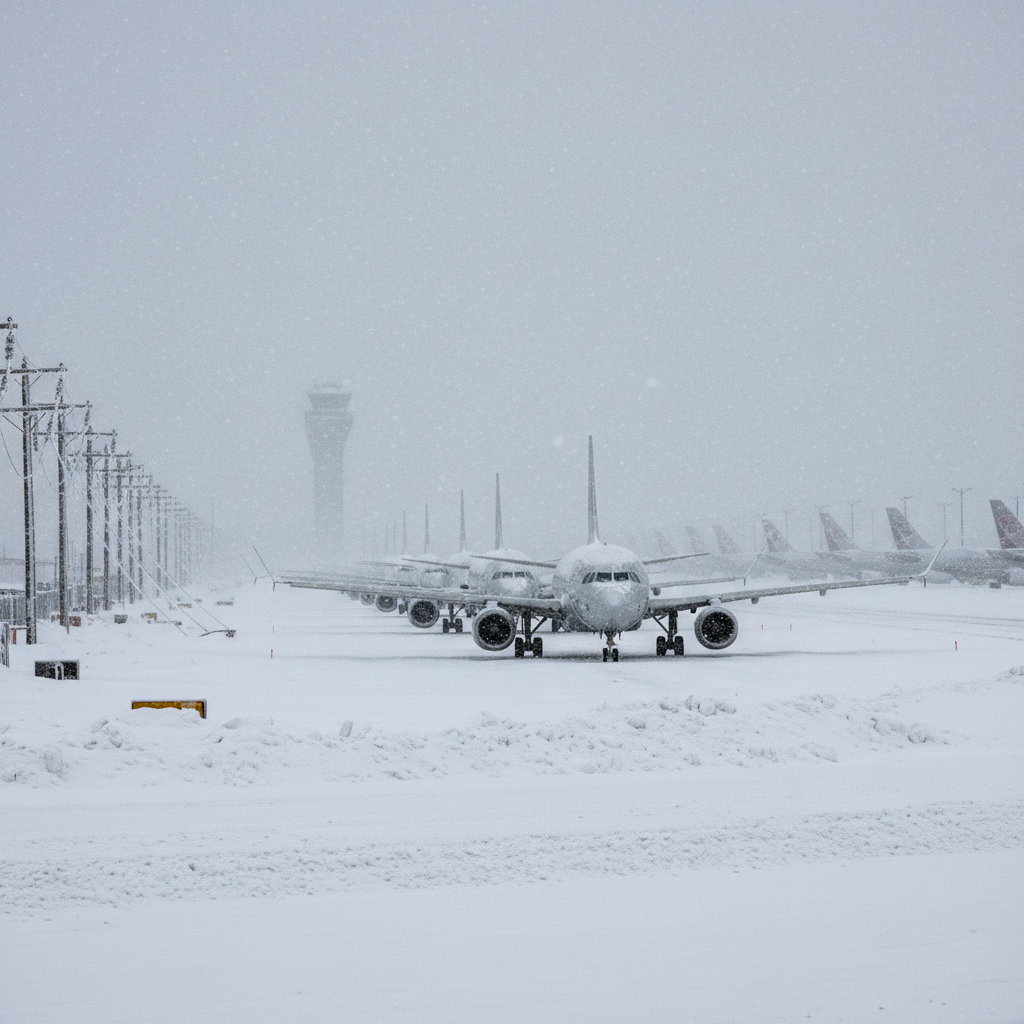
A historic weather system paralyzed national transportation networks on Saturday, Winter Storm Fern unleashed severe ice and snow that triggered nearly 12,000 flight cancellations. Roughly 190 million Americans currently face active weather alerts, this widespread disruption spans from Texas to New England and impacts over half the population.
Technological Advances and Past Crises Shape Current Response Strategy
Meteorological agencies deployed advanced tools to track this aggressive system, the National Weather Service utilized new AI driven models alongside hurricane hunter aircraft to refine predictions. This high tech approach represents a significant shift from previous disasters like the 2022 Winter Storm Elliott, that event caused similar chaos but lacked today's proactive measures. Airlines now aim to cancel flights before passengers arrive at airports, this strategy prevents the mass strandings seen during the Blizzard of 1993. The system originated in the Pacific before intensifying over the Rockies, it now serves as a major test for the aviation industry's goal to reduce total delays through predictive technology.
Major Hubs Shutdown as Federal and State Governments Mobilize Resources
The impact on aviation infrastructure intensified rapidly over the weekend, airlines proactively scrapped between 5,000 and 8,600 flights for Sunday alone. Key transportation centers in the South including Dallas Fort Worth and Atlanta face severe icing issues, major Northeast hubs like JFK and Boston Logan brace for two feet of snow. Will Rogers International Airport suspended all operations through Sunday morning, this marks one of the complete shutdowns prompted by the storm. Carriers including Delta and Southwest issued blanket travel waivers to accommodate displaced passengers, they also relocated deicing crews to southern regions usually unequipped for freezing conditions.
Emergency Declarations Activate Federal Support Systems
Political leaders responded swiftly to the deepening crisis, President Donald Trump approved emergency declarations for South Carolina and Virginia. These measures authorize FEMA to coordinate disaster relief efforts, governors in over 21 states also executed emergency orders to prioritize power restoration and road safety. The heavy accumulation of ice in the South poses a specific threat to the electrical grid, officials worry about infrastructure stability in freezing temperatures.
Travelers Face Prolonged Delays as Industry Braces for Ripple Effects
Displaced passengers should expect complications to last well beyond the storm's departure on Monday night, operational recovery will likely extend through Wednesday. Airline crews are currently out of position across the network, this logistical hurdle creates a ripple effect that delays the return to normal schedules. Cruise lines also adjusted itineraries to avoid the weather, Royal Caribbean rerouted ships to escape the system's northern edge while others cancelled stops in Mexico.
The aviation industry now faces a critical test of its modernized protocols, officials urge travelers to check flight status digitally before attempting to travel to the airport.