Melbourne Artist Transforms Three Tons of Bondi Tribute Flowers Into Permanent Memorial
Melbourne artist Nina Sanadze has launched a monumental effort to preserve three tons of floral tributes left after the devastating Bondi Beach massacre, the project aims to immortalize the public outpouring of grief through a permanent installation at the Sydney Jewish Museum.
Tragedy Spawns Massive Public Outpouring of Grief
The artistic undertaking follows the deadliest terror incident on Australian soil, gunmen opened fire on a "Hanukkah by the Sea" celebration on December 14, 2025. The attack claimed the lives of 15 victims and injured dozens more, the tragedy prompted an unprecedented wave of mourning across the nation. Thousands of residents and visitors blanketed the Bondi Pavilion with floral arrangements, local officials eventually needed a solution to manage the sheer volume of organic material without simply discarding the tributes.
This massive accumulation of flowers represented a physical manifestation of global solidarity, messages of support arrived from dozens of countries following the antisemitic attack. The Sydney Jewish Museum intervened to save the items for historical preservation, they recognized the flowers as essential artifacts of the event rather than waste.
Volunteers Mobilize to Preserve Historic Floral Tributes
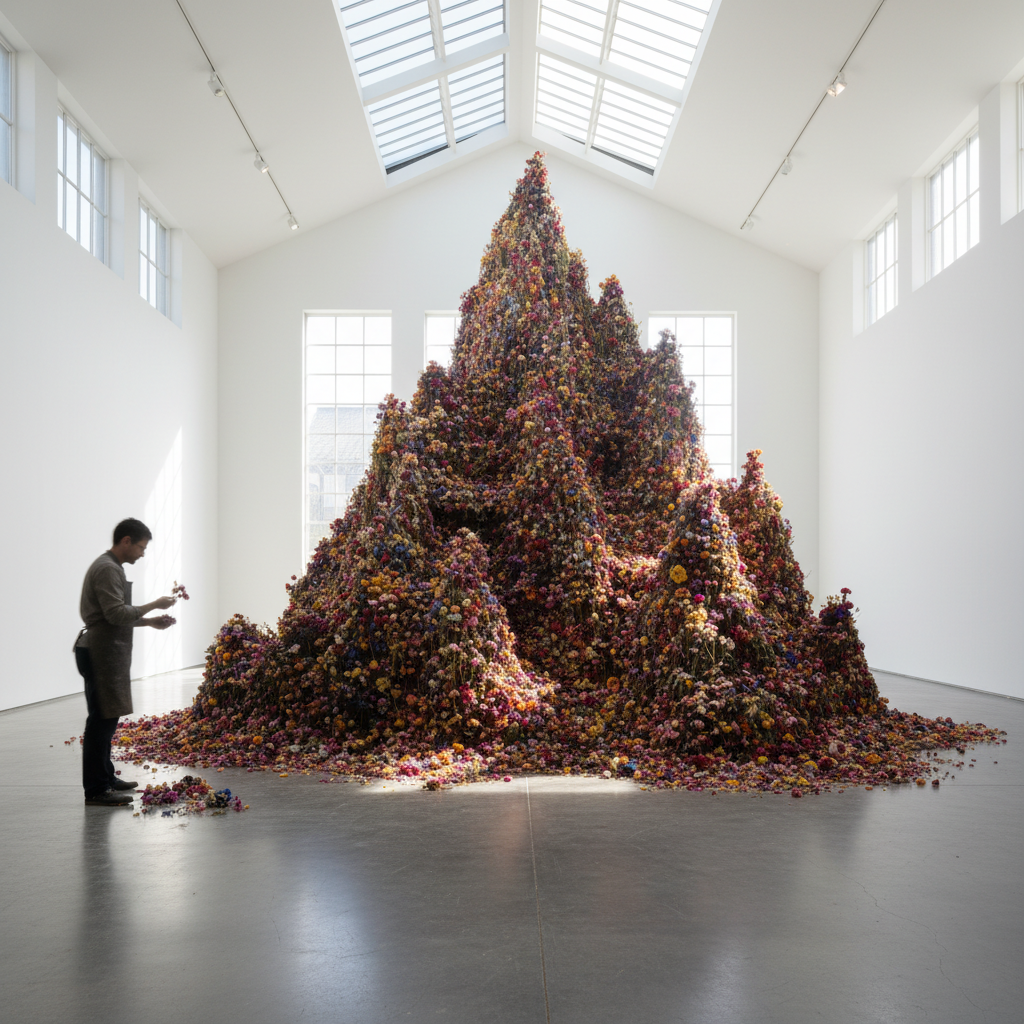
Sanadze now directs a team of over 150 volunteers within a North Sydney warehouse, the group includes survivors and first responders who are processing 3,000 kilograms of organic material. The team employs various preservation techniques to ensure every element serves a purpose, petals are being pressed or set in resin while sunflower pollen is converted into pigment. Even the decayed stems and leaves will undergo composting to create functional seating for the museum, Sanadze described the weight of the flowers as feeling like "100 bodies" upon their arrival.
Preservation Methods and Artistic Vision
The project requires meticulous attention to detail to prevent decay, volunteers iron flowers between tissues or hang them on construction fences to retain their shape. This labor-intensive process transforms fleeting expressions of sorrow into enduring artifacts, the final collection will feature as a centerpiece when the Sydney Jewish Museum completes its redevelopment in early 2027.
Art Project Offers Healing for Grieving Community
This initiative allows the community to engage in "collective healing" rather than moving on too quickly, the hands-on work offers a form of quiet grieving for those most deeply affected by the violence. The resulting exhibit challenges traditional concepts of stone monuments by utilizing fragile organic matter to represent resilience, Waverley Council is simultaneously planning a separate outdoor memorial to ensure the victims are remembered at the physical site of the attack.
Officials hope this unique preservation effort will serve as a lasting educational tool against extremism, the exhibit ensures the individual identities of the victims remain central to the national memory for generations to come.