Minnesota Volunteers Track Federal Agents Amid Deadly Clashes and Operation Metro Surge
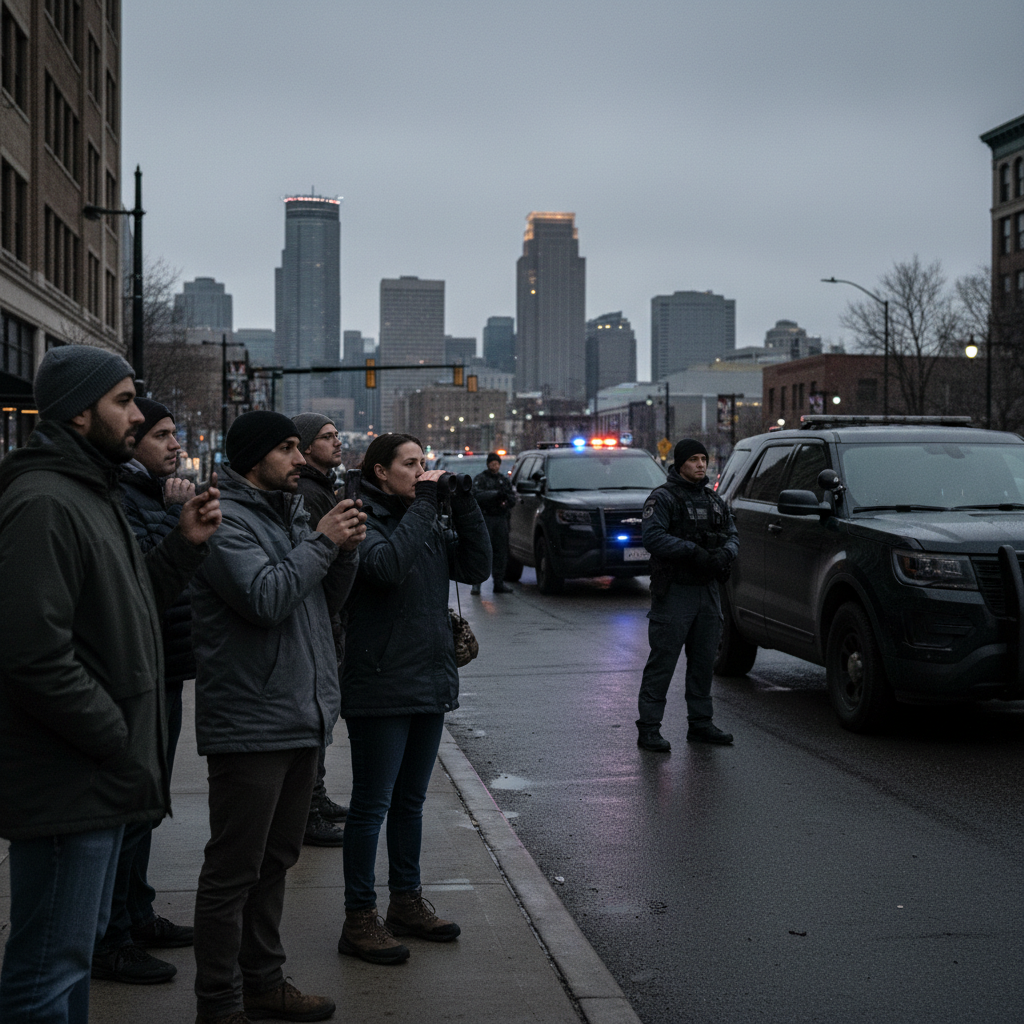
Over 1,000 Minnesota residents have mobilized to monitor federal agents this week during the controversial Operation Metro Surge. Tensions escalated significantly after two fatal shootings of U.S. citizens by federal officers prompted local volunteers to launch coordinated surveillance patrols across the Twin Cities.
Decades of Immigration Enforcement Tension Fuels Current Standoff
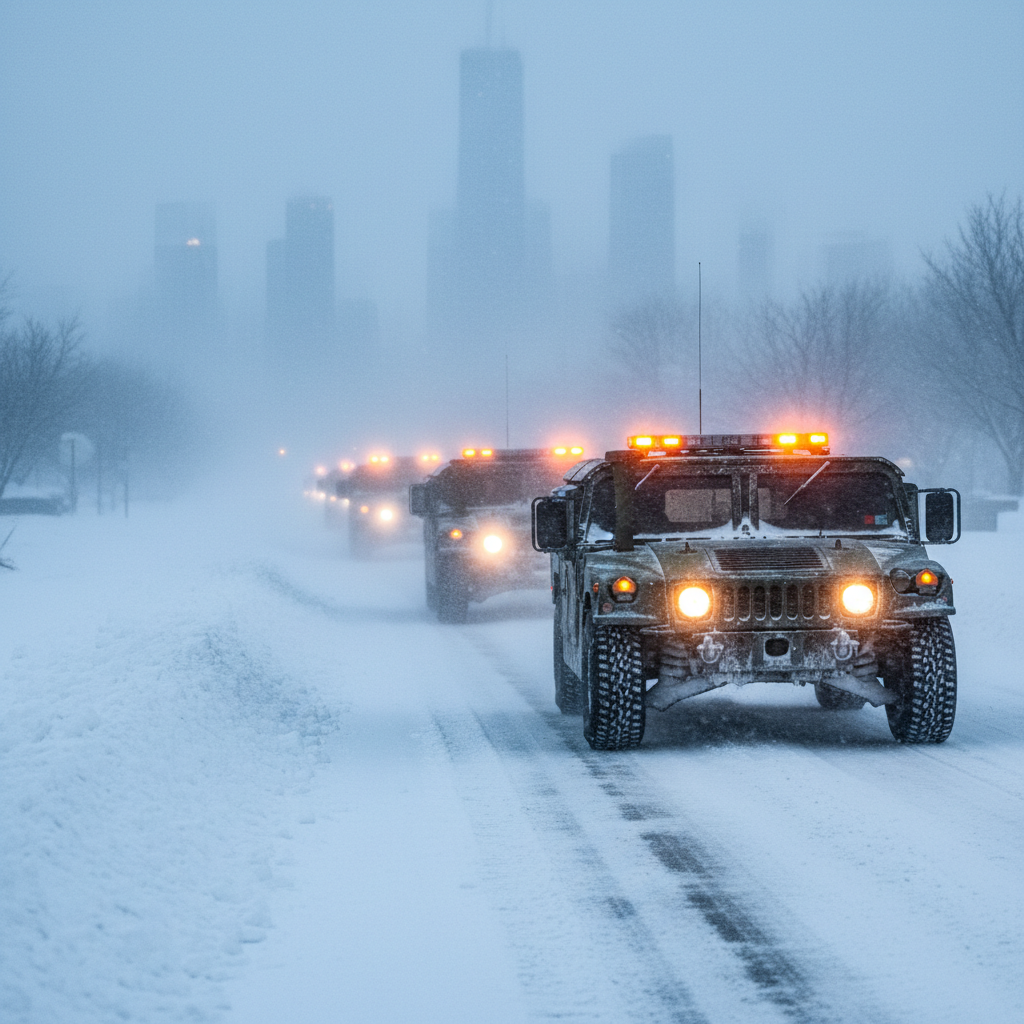
The arrival of 3,000 federal agents in December marked a sharp escalation in enforcement tactics, authorities cited pandemic-era fraud cases and public safety as the primary justification for the massive deployment. This operation differs from the workplace raids seen in 2006 because agents are now patrolling residential neighborhoods, the strategy has reignited distrust in a community still recovering from the civil unrest of 2020. State leaders argue the federal presence overrides local sovereignty, this clash has created a volatile environment where jurisdiction disputes are common and communication between agencies has broken down. Residents describe the atmosphere as an occupation rather than a law enforcement action, many cite fears of secondary trauma from the militarized tactics being used on city streets.
Volunteers Organize Surveillance Patrols Following Deadly Shootings
The situation intensified rapidly after the January 24 death of Alexander Pretti, a nurse and U.S. citizen shot by a Border Patrol agent. State investigators attempted to process the scene with a judicial warrant, federal officers physically blocked access to the area in an unprecedented challenge to state authority. This confrontation followed the January 7 shooting of Renée Good, these events convinced community leaders that official channels were failing to protect residents. Federal officials maintain that the operation is necessary to target criminal elements, they have labeled resistance efforts as dangerous obstructions of justice.
Civilians Mobilize Response Networks
Residents have responded by forming organized watch groups to document federal activities, over 1,000 volunteers now use whistles and high visibility vests to track agent movements. Organizations like the ACLU of Minnesota are training these Constitution Observers to legally record interactions, attorney Kate Wegener notes that regular citizens are filling a protective void left by the jurisdictional standoff. Volunteers use distinct signals to warn neighborhoods of approaching agents, this network allows families to avoid areas where enforcement operations are active.
Local Businesses and Schools Struggle Under Heavy Federal Presence
The heavy federal footprint has paralyzed daily life in many immigrant heavy districts, Hispanic owned businesses report revenue declines between 50 and 80 percent as customers fear leaving their homes. Schools have frequently shifted to remote learning or initiated lockdowns during nearby operations to ensure student safety, educators warn this disruption is causing significant emotional distress for children. Attorney General Keith Ellison has filed for a restraining order to limit federal operations, warning that continued friction could lead to further violence if clear boundaries are not established soon.
Federal courts will decide on the restraining order request in the coming days, the outcome could determine the extent of state power against federal enforcement actions. Local officials urge residents to remain peaceful but vigilant as the legal battle unfolds in both Washington and Minnesota.