New Orleans Hospitals Use AI Recording Tools Without Explicit Patient Consent
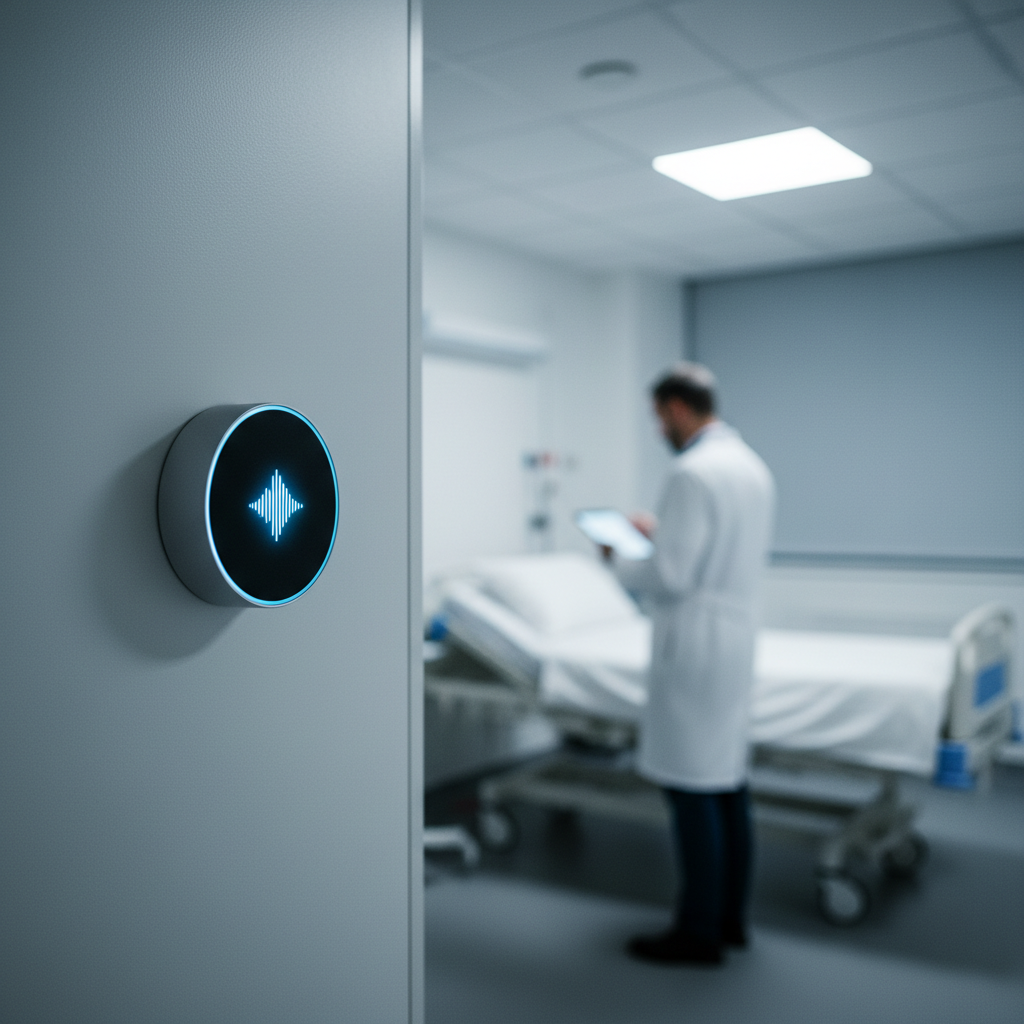
LCMC Health has integrated artificial intelligence listening tools into exam rooms without asking patients for permission, the system-wide rollout aims to reduce administrative work for doctors but raises significant privacy concerns, this practice was revealed in a recent investigation by Verite News.
Rising Doctor Burnout Drives Rapid Tech Adoption
Physicians have long struggled with heavy administrative burdens, studies show doctors spend two hours on paperwork for every hour of patient care, this creates a crisis of burnout that hospitals are desperate to solve. Ambient AI technology has emerged as a popular solution, these tools listen to conversations and write notes automatically. Most healthcare systems require doctors to ask for verbal permission before recording, however, LCMC Health has taken a different approach that deviates from these industry norms.
The technology promises to help medical professionals focus on people rather than computer screens, early data suggests burnout rates drop significantly when these tools are used. Artificial intelligence in healthcare is expanding rapidly, yet the method of implementation often sparks debate regarding privacy rights.
Investigation Uncovers Quiet Rollout of Nabla Software
A January 2026 report exposed that **LCMC Health** deployed software across eight hospitals, this includes University Medical Center and Children’s Hospital New Orleans. The software generates clinical notes directly into electronic health records, hospital leadership decided against requiring specific patient approval, they rely on general privacy notices and Louisiana's one-party consent laws instead.
The system uses technology from a vendor called **Nabla**, the tool listens to visits in real-time to transcribe medical information. Hospital officials argue the software is an administrative aid rather than a clinical tool, they state its primary goal is to improve the connection between doctors and patients. Nabla executives expressed concern regarding this implementation strategy, a co-founder noted that transparency is essential for maintaining trust even if the tool is legal.
Ethics Experts and Unions Warn of Erosion of Trust
The decision has triggered opposition from labor groups, the National Nurses United union argues this dehumanizes care and risks data security. Medical ethicists warn that patients may withhold sensitive information if they suspect they are being recorded without knowing it, this could compromise the quality of diagnoses. LCMC maintains the tool is secure and deletes audio after processing, yet the lack of transparency remains a primary point of contention for privacy advocates.
State regulators or federal oversight bodies may review these policies soon, the debate highlights the growing tension between technological efficiency and patient rights in modern healthcare.