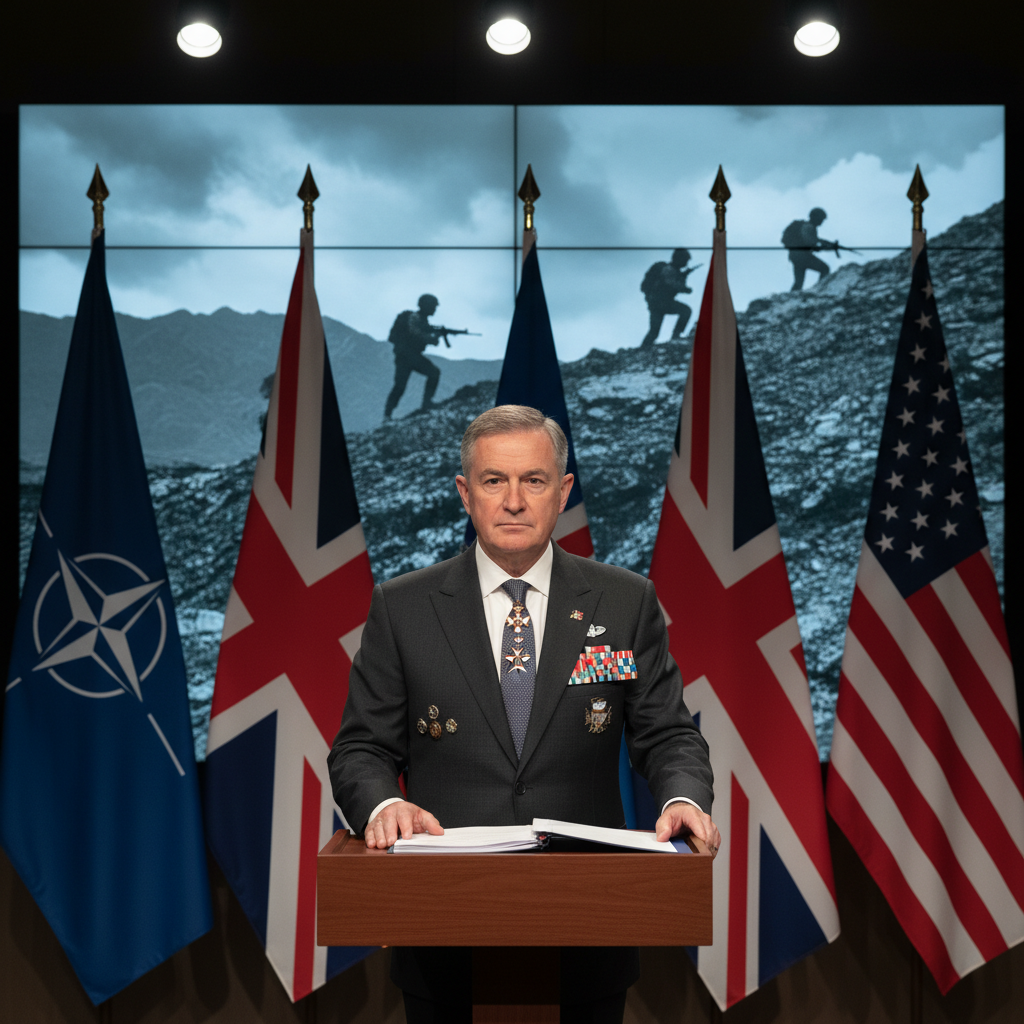
Prince Harry Defends NATO Allies After President Trump Questions Afghan War Sacrifices
The Duke of Sussex issued a stern rebuke against President Donald Trump on Friday regarding the legacy of the war in Afghanistan, defending the commitment of international troops who served alongside American forces. This diplomatic flashpoint occurred on January 23, 2026, after the President suggested NATO allies avoided front-line combat during the 20-year conflict.
Decades of Military Solidarity Challenged by Recent Political Rhetoric
The current diplomatic strain threatens to undermine a history of deep military cooperation, this partnership was most notably demonstrated when NATO invoked Article 5 for the first time specifically to defend the United States following the September 11 attacks. Prince Harry served two tours in Afghanistan during this period, his experience as an Apache helicopter commander provides him with a unique perspective on the realities of coalition warfare. The conflict claimed the lives of 457 British personnel, these losses remain a deeply sensitive subject for families across the United Kingdom who view the alliance as a bond forged in blood rather than a transactional business arrangement. The timing of this dispute is critical, it arrives as the alliance already faces internal pressure regarding defense spending targets and strategic disagreements over Arctic sovereignty.
Duke of Sussex Issues Statement Following President's Controversial Interview
Tensions escalated significantly after President Trump appeared on Fox News to assert that allied troops "stayed a little back" to avoid heavy combat, he further claimed the U.S. "never needed" NATO support to conduct operations. Prince Harry responded by releasing a coordinated statement through his veteran advocacy network, he declared that the sacrifices made by international forces "deserve to be spoken about truthfully and with respect." The Duke reminded the public that allies stood shoulder-to-shoulder with American troops immediately following the 2001 attacks, he cited his own loss of friends as evidence of the shared burden.
Political reaction in London was swift and unified across party lines, Prime Minister Keir Starmer supported the Duke's stance by describing the President's remarks as "insulting and frankly appalling." This rare moment of consensus saw politicians from the Conservatives to Reform UK joining the criticism against the White House, they argued that questioning the courage of fallen soldiers crosses a red line in diplomatic discourse. The controversy highlights a growing ideological gap, the U.S. administration favors an isolationist approach while European leaders emphasize the necessity of collective security.
Veterans and Diplomats Brace for Long-term Alliance Fallout
The diplomatic fallout extends beyond political rhetoric to the families of the fallen, Diane Dernie, whose son was severely injured in the war, publicly described the comments as the "ultimate insult" to those who served. European nations are now accelerating discussions regarding strategic autonomy, this shift comes as the U.S. administration places pressure on members regarding the ongoing dispute over Greenland. The rift complicates cooperation on Arctic defense, it also casts a shadow over the upcoming Invictus Games in Birmingham where veteran morale will be a central focus.
Observers suggest this incident may permanently alter the perception of the transatlantic relationship, the focus now turns to how NATO leadership will navigate these deep divisions during the next summit while maintaining operational readiness.