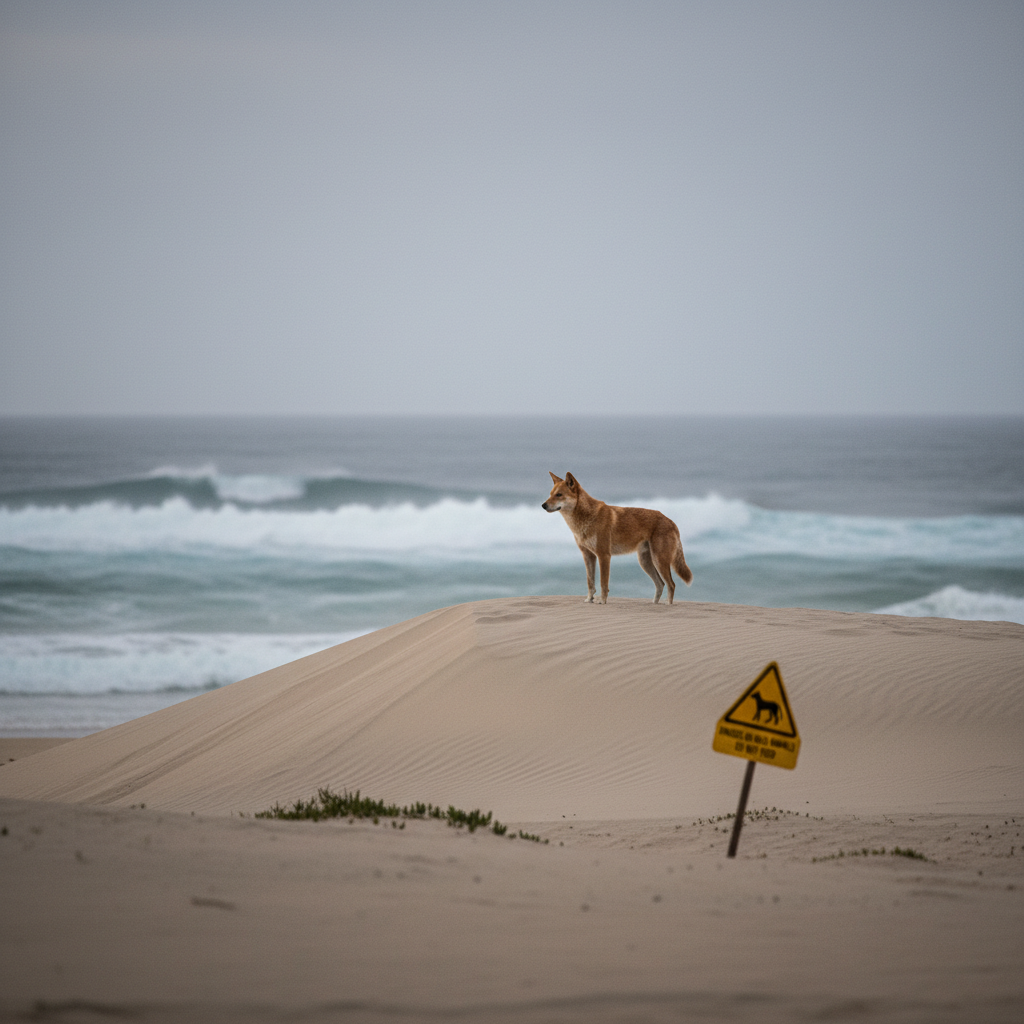
Queensland Government Orders Destruction of Dingo Pack Following Canadian Tourist Death
Wildlife rangers have begun euthanizing ten dingoes on K'gari after a Canadian teenager was found dead on a beach, officials cite the need to ensure public safety during the busy summer season, the decision has sparked immediate outrage from Indigenous leaders who claim they were excluded from the process.
Increasing Human-Wildlife Conflict Challenges Island Management
This incident represents a significant escalation in the ongoing struggle to manage interactions between humans and native predators, the island is home to approximately 200 dingoes known locally as wongari, these animals hold deep cultural significance for the Traditional Owners. Tourism numbers have surged in recent years, this increase has led to more frequent reports of threatening behavior as animals lose their natural fear of people, previous management strategies included fencing and fines for feeding wildlife. The death of 19-year-old Piper James marks the first potential adult fatality linked to dingoes on the island, this tragedy has forced authorities to reevaluate their conservation policies, the balance between protecting visitors and preserving the unique dingo population has never been more fragile.
Minister Announces Removal of Animals Linked to Tragedy
Environment Minister Andrew Powell confirmed the euthanasia order on Sunday, six animals have already been destroyed by rangers, the remaining four members of the pack face the same fate. Authorities took lethal action after observing what they described as unacceptable aggression from the animals, the pack was monitored closely following the discovery of James near the Maheno shipwreck, rangers determined that the animals posed an immediate risk to other visitors. The government defends the move as a necessary measure to prevent further attacks, the decision reflects a zero-tolerance approach toward wildlife that demonstrates bold behavior toward humans.
Autopsy Results Suggest Drowning as Primary Cause
Preliminary findings from the coroner indicate that James likely drowned, pathology reports show bite marks occurred both before and after death, these injuries were not considered the immediate cause of the fatality. The victim was a former wildfire fighter from British Columbia, she had been working on the island for several weeks before the incident, her father supports the drowning theory as a more peaceful explanation for the loss. Despite the coroner's initial assessment regarding drowning, the presence of the dingo pack around the body and their subsequent behavior triggered the government's lethal response.
Indigenous Leaders Warn of Potential Tourism Shutdown
The Butchulla Aboriginal Corporation has expressed fury over the government's lack of consultation, Secretary Christine Royan described the action as a cull rather than targeted management, the group argues this violates vital co-management agreements. Traditional Owners have threatened to initiate a lockout of the island in protest, such a move would effectively shut down tourism on the world's largest sand island, conservationists also worry that removing 5 percent of the total dingo population could harm the species' genetic stability.
The controversy highlights the extreme difficulty of managing wild spaces shared by tourists and apex predators, officials continue to urge visitors to exercise extreme caution on beaches, the future of island access remains uncertain as political tensions rise.