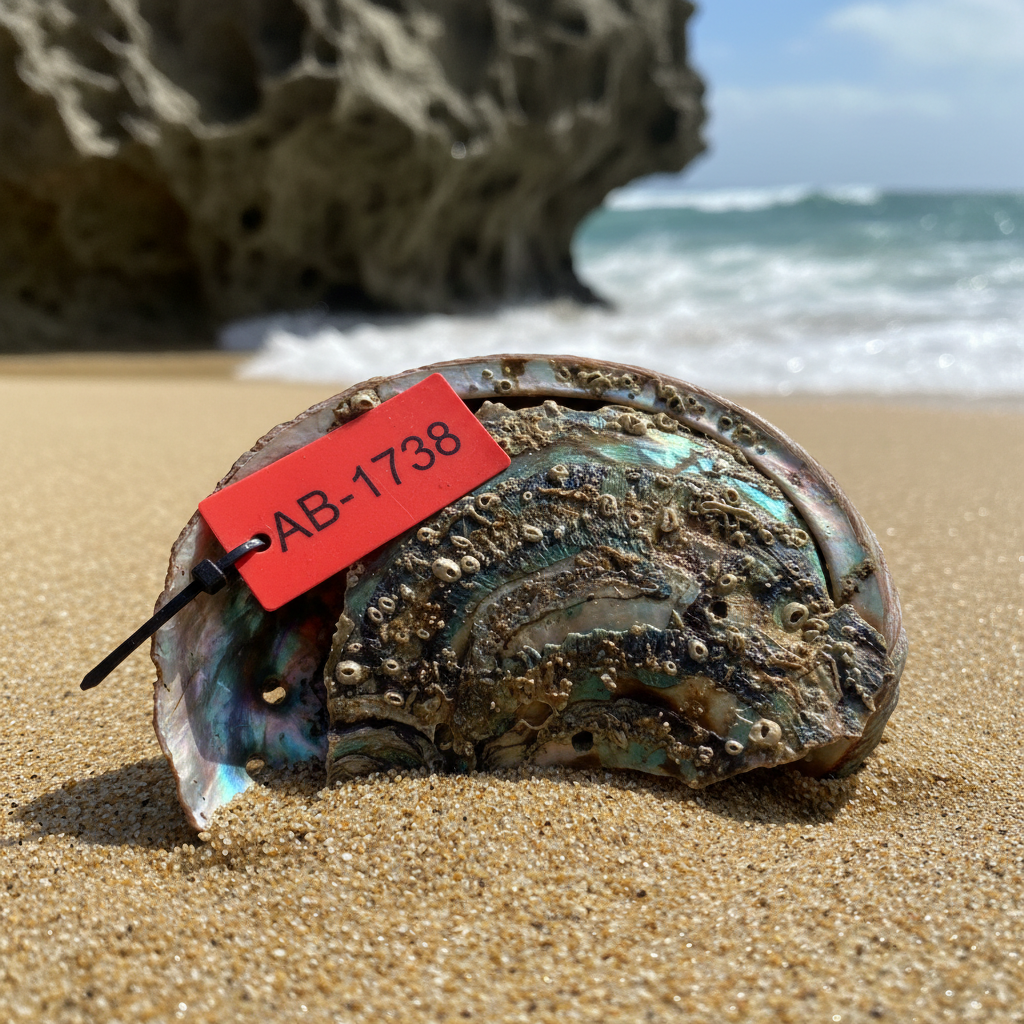
Rare Tagged Shell Discovery at Mettams Pool Provides Vital Data for Fishery Scientists
A Perth beachgoer stumbling upon a fragmented shell has contributed to a major scientific initiative, the artifact contained a red identification tag that links directly to a government restocking project. This accidental discovery assists researchers in monitoring the health of vulnerable marine stocks, the finding comes amid ongoing efforts to restore local reefs from environmental damage.
Marine Heatwave Devastation Sparks Urgent Recovery Efforts
Western Australia experienced a catastrophic environmental event in 2011, ocean temperatures rose significantly during a marine heatwave that decimated local populations of Roe's abalone. This weather event caused mortality rates reaching 99 percent in some northern regions, authorities have spent the last decade working to rebuild these colonies. The stakes remain high because abalone serves as a luxury export worth hundreds of dollars per kilogram, the state government recently launched high-tech tracking programs to ensure the species survives future climate changes.
Beach Discovery Links to Extensive Stocking Program
The specific shell found by local resident Elisha Blott bore the identification code 5247, this number connects to a secure database managed by the Department of Primary Industries and Regional Development. Research scientist Jamin Brown confirmed the specimen was part of a large cohort released into the ocean to bolster wild populations, the department deployed 7,000 tagged animals between 2023 and 2024 to test survival rates. Each tag acts as a biological ledger that holds critical life history information, scientists can instantly access the animal's birth date along with its size and precise release coordinates.
Tag Data Offers Insight into Survival Rates
Finding a shell fragment provides researchers with valuable mortality data, this helps experts distinguish between natural deaths and illegal poaching activities or environmental stress. The recovery of tag 5247 offers proof that the released animals are persisting in the wild, the information helps the state refine its strategies for reseeding barren reefs. Understanding how these creatures fare against the elements allows for smarter resource allocation, the program aims to create a sustainable fishery that can withstand rising ocean temperatures.
Public Involvement Crucial for Scientific Success
Citizen participation acts as a force multiplier for government researchers, officials cannot survey every meter of coastline so they rely on residents to report these unique discoveries. Divers and beach walkers are urged to photograph any tagged shells they find, recording the specific location helps update growth models used for fishery management. The data collected feeds directly into broader climate adaptation strategies, this ensures recreational fishing seasons can remain open for future generations.
Authorities continue to ask the public for assistance with this ongoing research, anyone who finds a tagged shell should contact the department immediately to log the information rather than keeping it as a souvenir.