Rising Rail Fares Match Air Travel Costs as Hidden Fees Tilt Balance
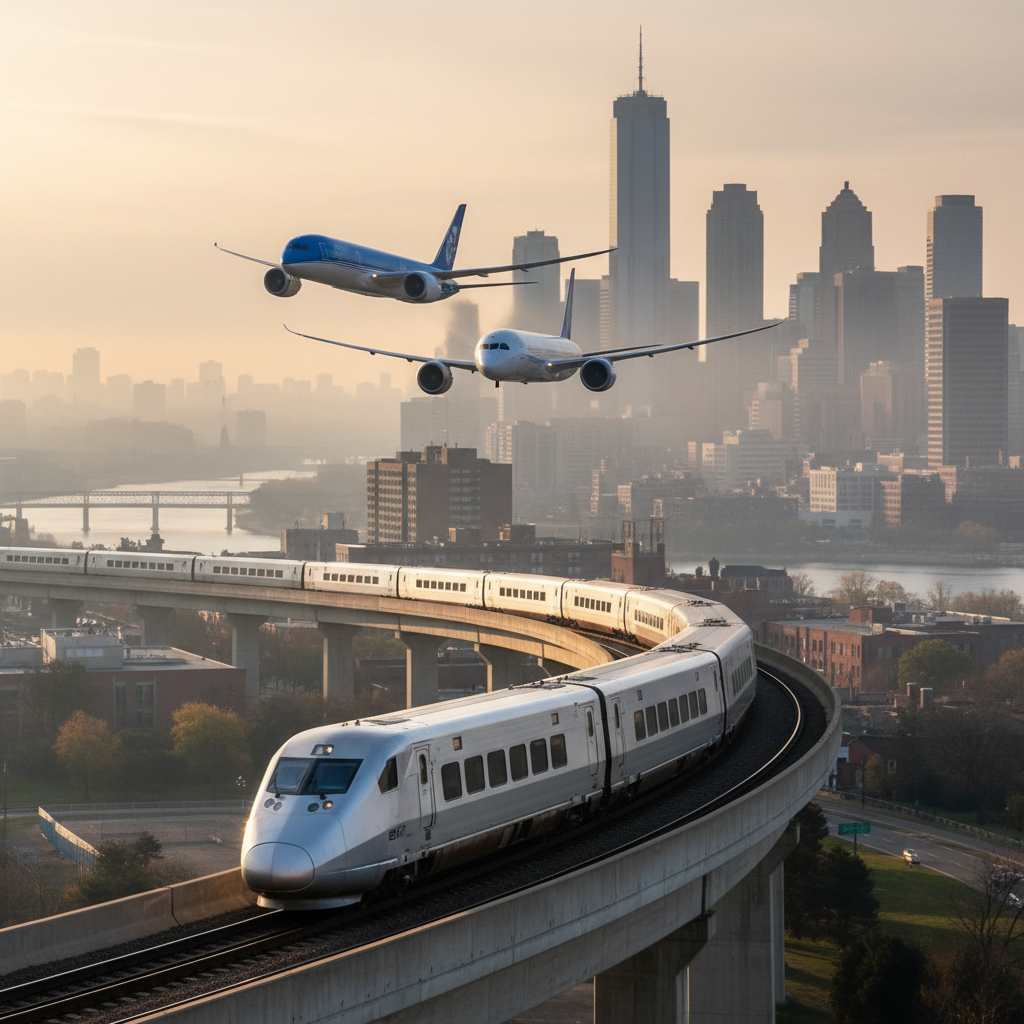
Travelers navigating the Northeast Corridor in early 2026 face a new reality where train tickets cost as much as flights, a recent analysis reveals that aggressive dynamic pricing by Amtrak and soaring airline overhead have eliminated the traditional price gap, this shift forces passengers to calculate value based on time rather than sticker price.
Dynamic Pricing Strategies Reshape Transportation Economics
The era of predictable flat-rate rail fares has effectively ended, Amtrak followed the airline industry's lead by implementing complex dynamic pricing models in 2023. This strategy aimed to maximize revenue during peak travel times, the shift coincides with the aviation sector facing its own financial pressures. Airlines are currently grappling with strict carbon offset mandates known as CORSIA, these regulations have pushed operational costs higher. The convergence of these economic forces has created a marketplace where the base ticket price for a train often mirrors a basic economy flight, travelers can no longer assume rail is the automatic budget option.
Total Trip Cost Analysis Favors Rail Despite Sticker Shock
Recent data indicates that economy rail fares on major routes like Washington D.C. to New York often exceed $129, high-speed Acela tickets can fluctuate wildly between $55 and $300 depending on booking windows. While these sticker prices rival basic economy airfare, the total cost equation shifts when factoring in ancillary expenses, travelers must account for the $50 to $100 average cost of ground transport to remote airports. The calculation also includes the value of lost time, airport security protocols require a two-hour buffer that rail travel eliminates.
Productivity and Logistics Factors
Center-to-center connectivity offers a distinct advantage for business travelers, consistent cellular service and Wi-Fi access allow for uninterrupted work during transit. Amtrak reported record revenues of **$2.7 billion** and ridership of 34.5 million passengers in the last fiscal year, this surge occurred despite the rising costs. The system is repositioning itself as a premium business tool rather than a discount alternative, the ability to bypass airport congestion has become a primary selling point.
Infrastructure Strain Challenges Future Growth
The surge in demand has exposed critical equipment shortages across the national rail network, the system currently requires over 1,000 new coaches to stabilize operations. Private competitors like Brightline face their own hurdles, their West Coast expansion has been delayed until late 2029 due to budget overruns. Travelers planning for the upcoming World Cup should expect significant congestion, regional rail will likely be the only viable option to avoid airport gridlock.
The definition of budget travel has fundamentally changed for American passengers, the choice between modes of transport now relies on logistical convenience rather than price alone.