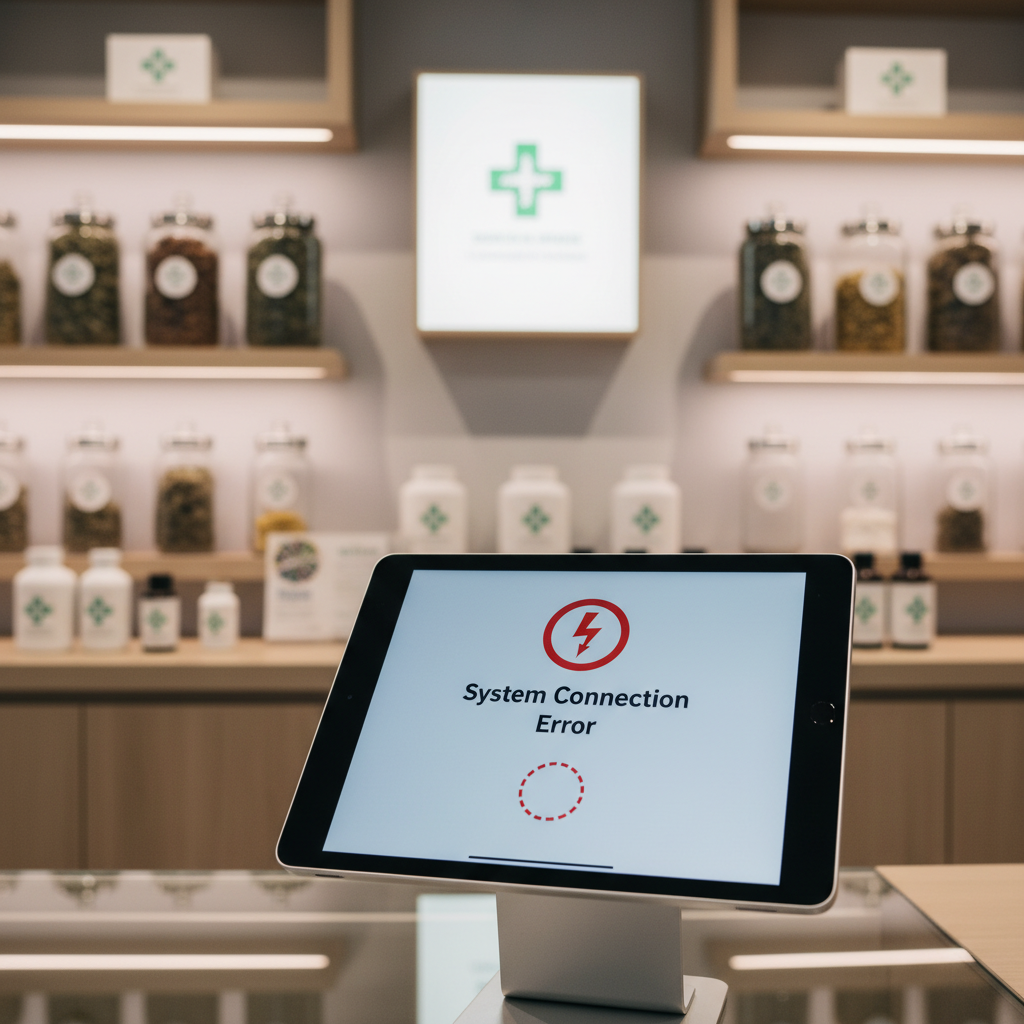
State Tracking System Failure Paralyzes Arkansas Medical Cannabis Dispensaries and Halts Transactions
On Wednesday, January 21, widespread technical failures in the state mandatory tracking system forced Arkansas medical marijuana dispensaries to turn away patients. The outage paralyzed the legal market for hours as the ARStems database failed to sync, preventing critical verification of patient allotments and sales data across the network.
History of Technical Friction and Vendor Consolidation
The backbone of the state medical cannabis program is the strict seed to sale tracking mandate, this system requires every gram of product to be accounted for in real time to maintain legal compliance. The Arkansas Department of Finance and Administration (DFA) oversees this infrastructure through a contract with BioTrack, the vendor responsible for the ARStems interface. Tensions over technology stability have simmered for years, competitors like Metrc previously protested the contract renewal in 2025 citing instability. These rival companies recently formed a strategic partnership known as BT Government to manage state contracts jointly, yet critics argue this consolidation reduced the incentive for maintaining system reliability.
Outage Disrupts Statewide Operations and Blocks Verification
The disruption began early Wednesday morning on January 21 when the digital connection between dispensary point of sale systems and the state database failed. DFA spokesperson Scott Hardin confirmed the outage affected verification processes, this glitch prevented dispensaries from confirming patient card status or recording transaction data as required by law. While reports of the failure surfaced from Hot Springs to Little Rock by 10:00 AM, the inability to sync data effectively froze operations for the 38 licensed dispensaries serving over 115,000 active patients.
Dispensaries faced immediate operational paralysis because the software handshake serves as the primary compliance check for every purchase. Technical teams from the vendor worked throughout the day to restore functionality, system access was largely recovered by late afternoon though data synchronization backlogs persisted into Thursday. The event marked another significant technical hurdle for the program, previous outages in 2022 and 2024 caused similar confusion but on a smaller scale compared to this statewide blackout.
Financial Losses and Compliance Risks Concern Stakeholders
The brief yet severe outage highlights the economic fragility of a market generating over $280 million annually, estimates suggest the single day of disruption cost the industry up to $800,000 in gross revenue. State tax collections likely suffered a loss of nearly $50,000, business owners faced significant compliance risks during the downtime as selling without real time tracking can lead to license revocation. Patients with chronic conditions expressed frustration over the lack of manual overrides, this incident fuels ongoing debates regarding the need for offline mode protocols during future technical failures.
Legislative oversight committees are expected to review the vendor contract in the coming months, officials may push for new regulations that allow for emergency manual sales to prevent future shutdowns.