Tesla Removes Standard Autopilot Features and Shifts to Subscription Only Model for New Vehicles
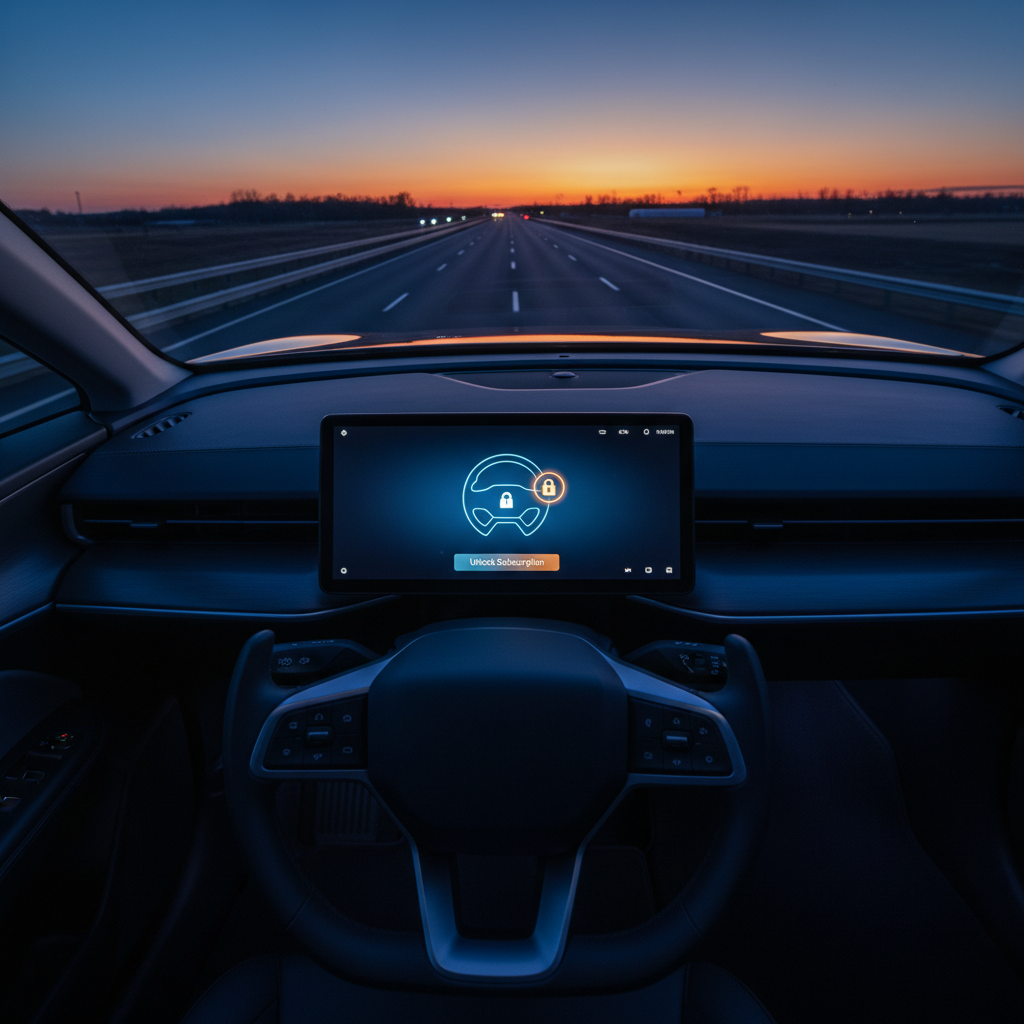
As of January 23, 2026, Tesla has fundamentally changed its safety feature lineup by removing standard Autosteer from new Model 3 and Model Y vehicles. Buyers must now subscribe to a monthly service to access lane-centering capabilities, this marks a significant shift toward recurring revenue streams over one-time hardware sales.
Years of Regulatory Scrutiny and Sales Pressure Prompt Strategy Change
Tesla historically disrupted the automotive market by including advanced driver assistance as a standard perk, this approach forced competitors to upgrade their own offerings. However, the landscape shifted following a massive recall of 2 million vehicles in 2023, regulators from the NHTSA intensified their investigation into the brand's marketing claims. The company simultaneously faces a 48 percent drop in Cybertruck sales, this creates a need to bolster profit margins. By pivoting to a software-focused model, Tesla aims to stabilize its income through reliable monthly subscriptions rather than relying solely on fluctuating vehicle deliveries.
New Policy Unbundles Safety Tech and Enforces Subscription Model
The revised structure explicitly separates Traffic-Aware Cruise Control from Autosteer functionality. While basic cruise control remains complimentary, the critical lane-centering feature is now locked behind a paywall. New owners must enroll in the Full Self-Driving (FSD) Supervised package at $99 per month to access this capability. The company confirmed it will also remove the $8,000 lifetime purchase option on February 14, 2026, this leaves the monthly fee as the only pathway for access.
This strategic pivot represents a major departure from the brand's previous philosophy of including essential safety tools in the base price. By effectively eliminating "Basic Autopilot," the automaker forces a decision on every new customer regarding the value of driver assistance. CEO Elon Musk has indicated that the subscription price may rise as software capabilities improve, this creates a sense of urgency for current buyers to lock in rates.
Hardware Updates Coincide with Software Restrictions
This software pivot aligns with the scheduled release of the new Hardware 5 computer. The updated system boasts processing power 10 times greater than its predecessor, it serves as the platform for future autonomous capabilities. Experts note the removal of standard features appears timed to push users toward the paid FSD track just as this advanced hardware becomes available.
Consumers Confront Value Degradation Compared to Affordable Competitors
Prospective buyers now face a difficult comparison against traditional automakers. Budget-friendly options like the Honda Civic or Toyota Corolla include lane-keeping assistance as standard equipment, this reality highlights a "feature degradation" for Tesla's premium price point. Market analysts warn that price-sensitive shoppers may migrate to rivals like Ford or Rivian, these companies continue to treat safety systems as non-negotiable necessities. Existing owners are not affected, but the value proposition for new customers has arguably diminished.
Officials anticipate this move will test brand loyalty in an increasingly crowded electric vehicle market. The success of this strategy depends on whether consumers view the software as a premium service or a missing safety requirement.