Travelers Lose Hundreds to Deceptive Passport Websites Amid UK Policy Change Rush
Unsuspecting travelers are losing massive sums to predatory websites masquerading as official government portals, the scam targets dual citizens rushing to renew documents before strict United Kingdom entry requirements begin in February.
Immigration Policy Shifts Create Urgency for Dual Nationals
The surge in fraudulent activity follows a major change in British immigration law effective February 2026, travelers with dual citizenship must now present a valid British passport to enter the country. They are no longer eligible for the Electronic Travel Authorisation scheme used by other tourists, this regulatory shift has forced thousands of people to renew expired documents immediately. The sudden demand creates a lucrative opportunity for opportunistic operators to exploit the widespread confusion.
Deceptive Sites Charge Premium Fees for Basic Services
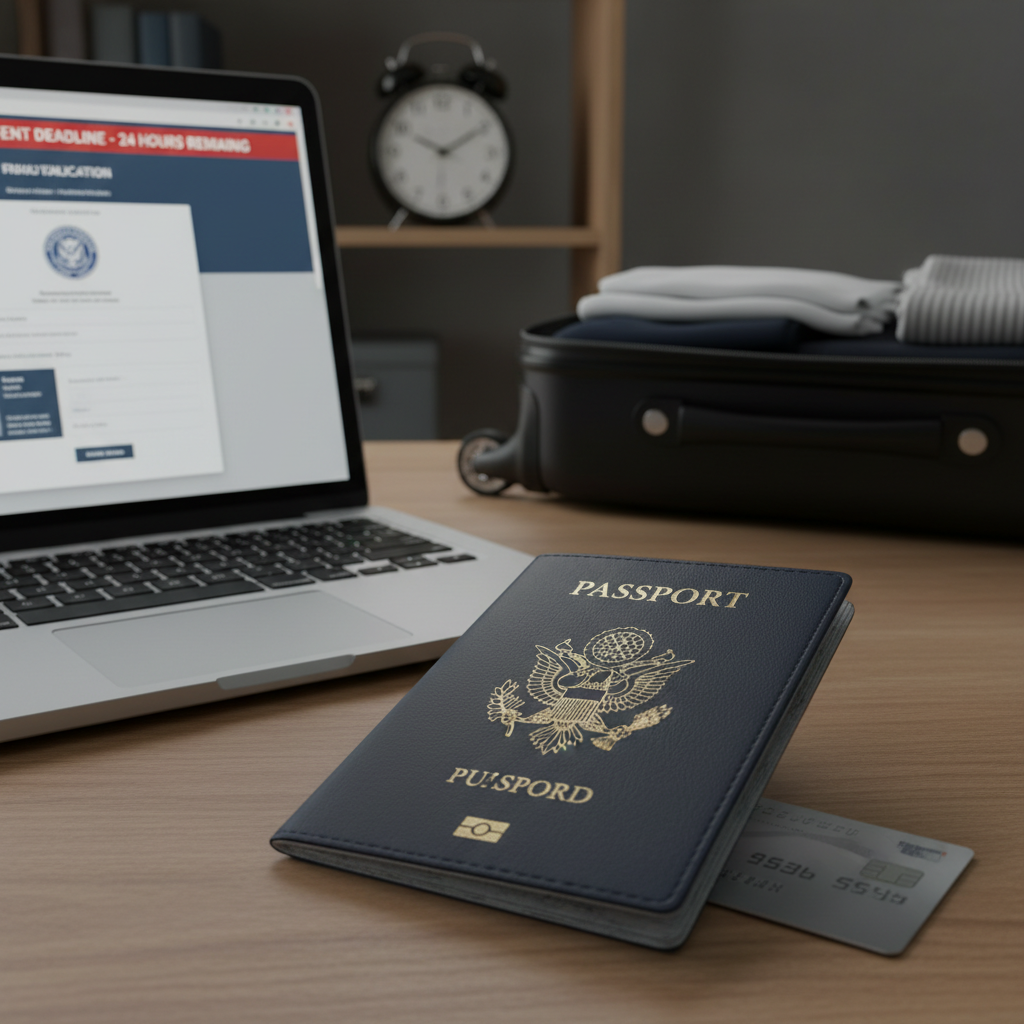
Victims report searching for renewal instructions online only to click on sponsored links that appear above official government results, these sites mimic legitimate branding to instill false confidence. One dual citizen named Lillian paid approximately $580 AUD for a renewal application, she later discovered the actual government fee was only about $180 AUD. These external services use official colors and coat of arms imagery to trick users, they claim to offer assistance but simply forward data to the real agency while charging a massive markup.
The platforms often employ aggressive tactics like countdown timers to discourage users from reading the fine print, the lack of value added leaves many feeling cheated. These operators use search engine optimization to outrank the actual passport office, this ensures they capture traffic from confused applicants before they find the correct page. The service provides no faster processing times, it merely acts as a costly barrier between the citizen and the government.
Applicants Face Privacy Risks and Processing Delays
Beyond the financial loss, experts warn that handing personal data to unregulated entities poses a severe security risk. Applicants effectively share their full identity packages including birth dates and passport numbers with unknown companies, this increases the likelihood of identity theft. Furthermore, incorrect submissions by these intermediaries can lead to rejected applications, this could cause travelers to miss the strict February deadline entirely.
Authorities advise all applicants to verify the website address carefully before entering payment details, the safest route involves navigating directly to official government portals rather than relying on search engine results.