Trump Administration Forecasts Record Growth While Economists Urge Caution
Commerce Secretary Howard Lutnick announced ambitious economic targets at the World Economic Forum in Davos this week. The administration predicts growth rates will hit six percent by year's end, officials credit recent tax legislation and anticipated regulatory changes for this optimistic outlook.
Legislative Changes and Tax Policy Fuel New Projections
The bold projections stem largely from the "One Big Beautiful Bill" which was signed into law on July 4, 2025. This legislation made individual tax rates from 2017 permanent, it also raised the deduction cap for state and local taxes to $40,000. A key feature includes "Trump Accounts" that provide government deposits for child savings, proponents argue these measures will trigger a wave of consumer spending known as "animal spirits." This domestic policy aligns with international shifts, the newly established Board of Peace now prioritizes free-market reconstruction projects over traditional aid.
Davos Announcements Outline Strategy for Rapid Expansion
Secretary Lutnick told attendees in Switzerland that the U.S. economy is on track to exceed five percent growth in the first quarter of 2026. The White House points to data from the Federal Reserve Bank of Atlanta, their "GDPNow" tracker estimated growth at 5.4 percent as of late January. The strategy relies on driving global oil prices down to $50 per barrel following recent geopolitical shifts in Venezuela, officials believe cheaper energy will lower production costs significantly.
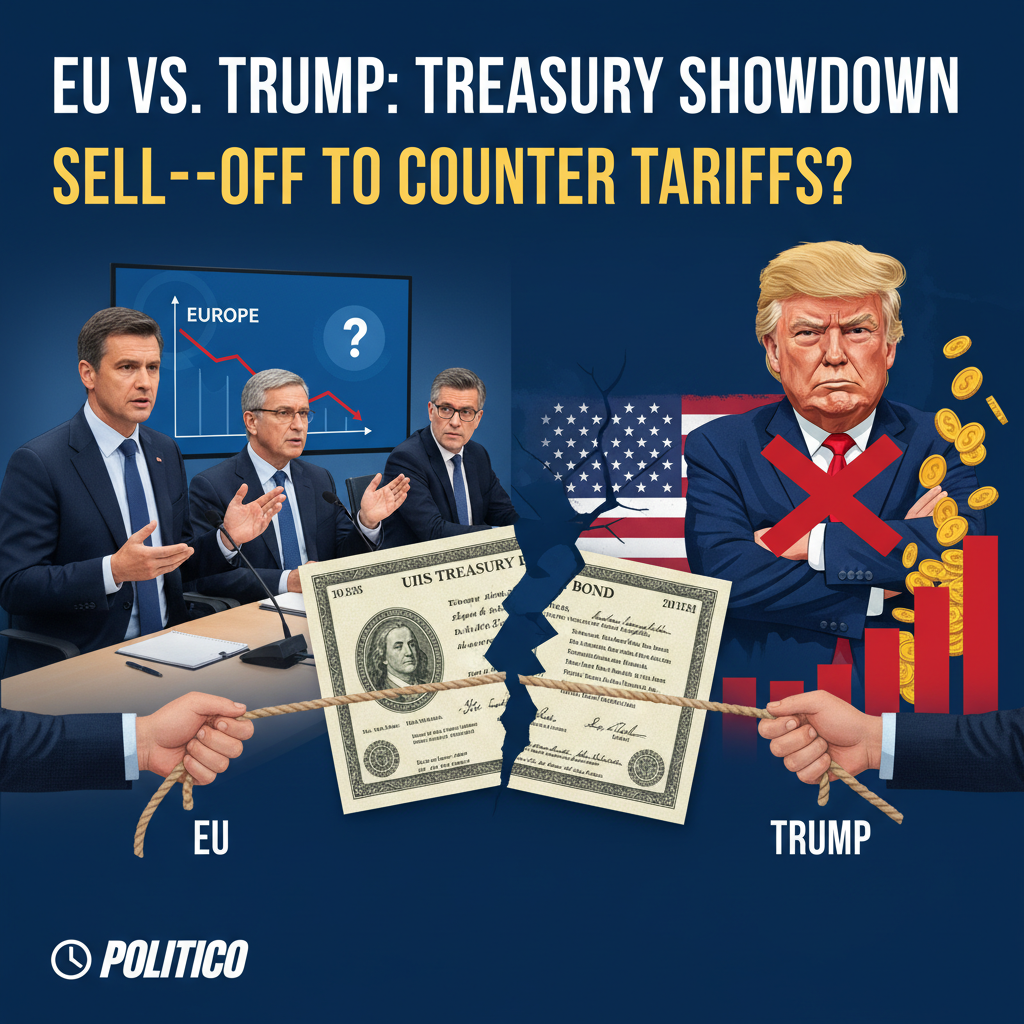
Tensions regarding Greenland have also eased following a new defense agreement on January 21. This deal for an Arctic missile shield stabilized markets that had previously feared a trade war with the European Union, the resolution allows the administration to focus on domestic acceleration.
Personnel Changes and Monetary Policy
The administration also plans to reshape monetary policy when Federal Reserve Chair Jerome Powell's term expires in May. Markets anticipate a replacement who will favor aggressive interest rate cuts, this expectation of cheaper borrowing costs is already influencing investment behaviors across major sectors.
Financial Experts Question Reliability of Growth Data
Independent analysts warn that these forecasts may be overly optimistic, experts from Pantheon Macroeconomics suggest that recent government shutdowns have distorted data collection. Mike Skordeles of Truist notes that maintaining such high growth rates for a full year is historically difficult, he argues that a temporary spike driven by tax refunds does not guarantee long-term stability. Critics point to lingering trade uncertainty as a major risk factor, business leaders express concern that renewed tariffs could offset the benefits of tax incentives.
The economic landscape faces a critical test in mid-2026 as the Department of Governmental Efficiency prepares to release recommendations for agency reductions. Officials urge investors to remain confident as the new fiscal framework takes full effect over the coming months.