Trump Confirms Seized Venezuelan Oil Now Flowing Into Gulf Coast Refineries
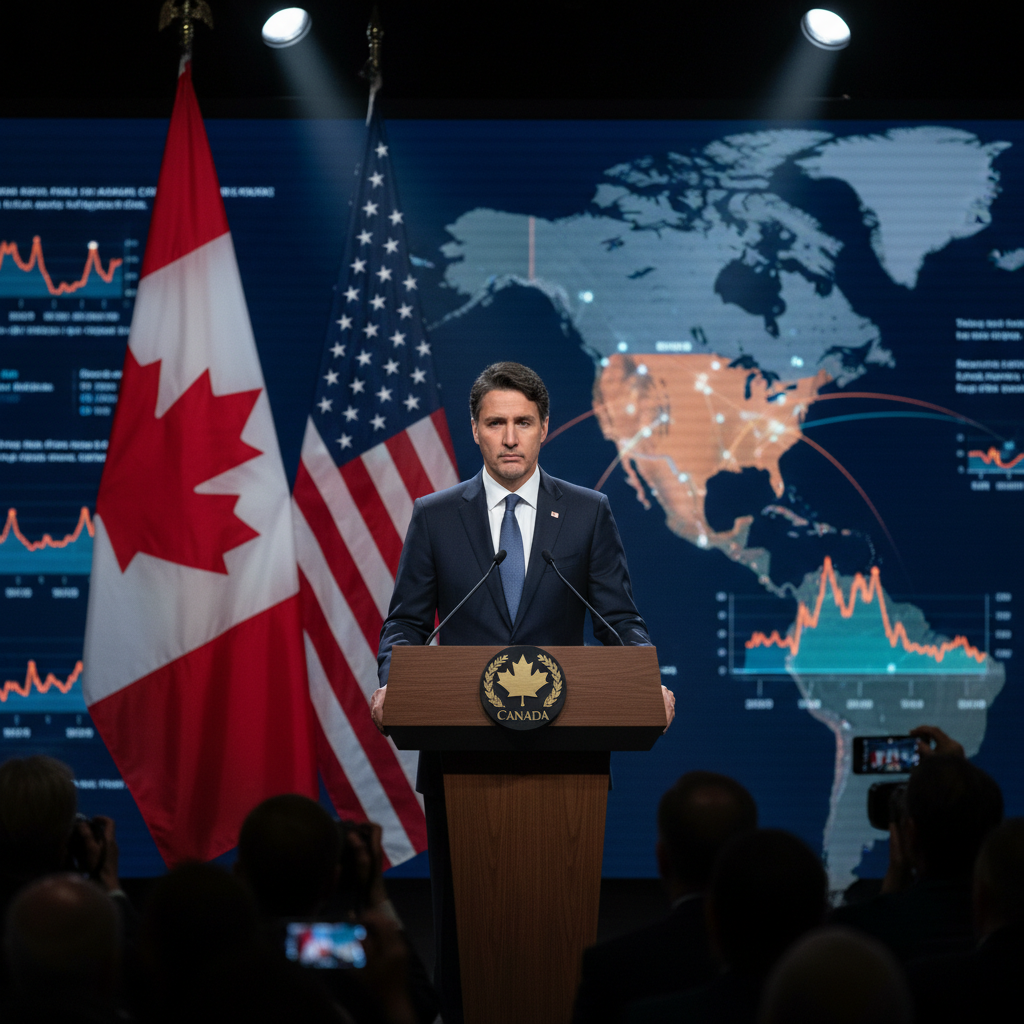
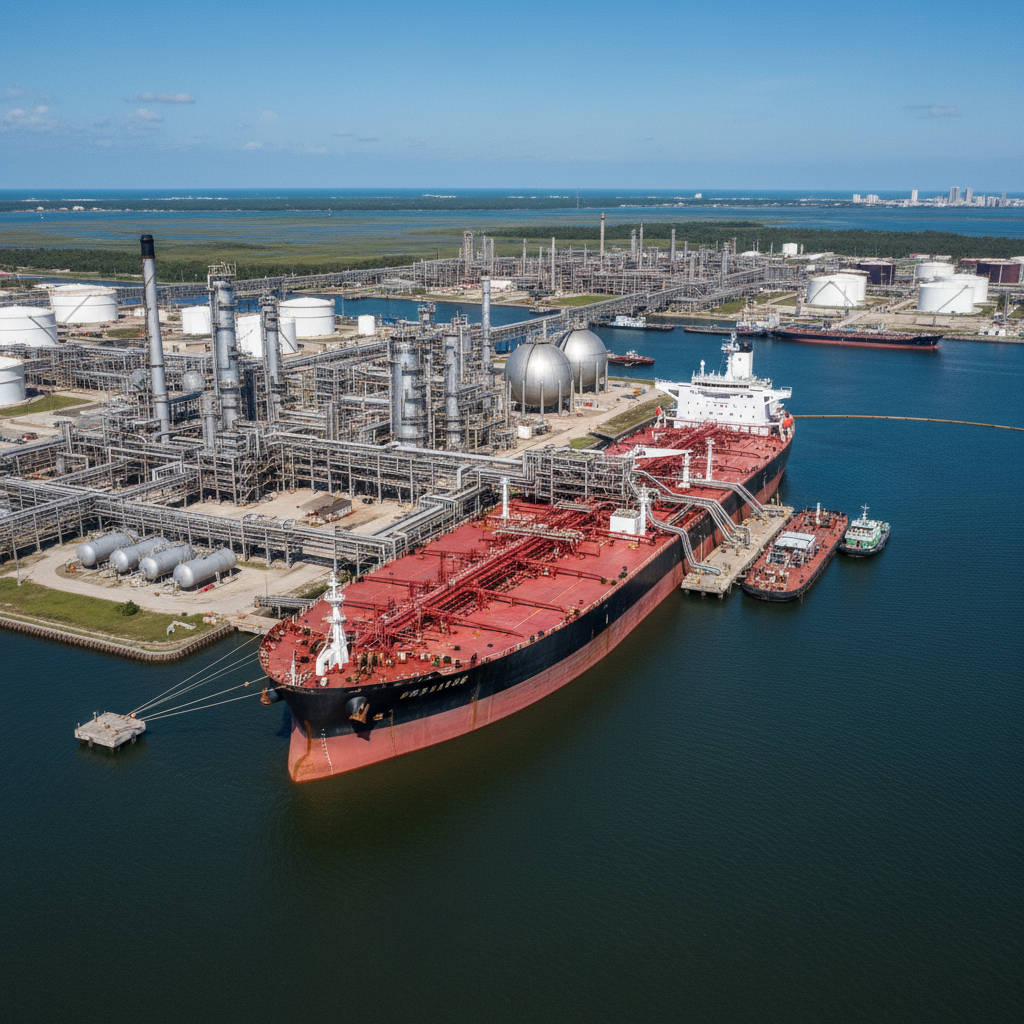
President Donald Trump confirmed on Saturday that seized Venezuelan crude oil is actively entering American supply chains, the administration reports that tankers intercepted by U.S. forces are offloading at Gulf Coast ports, this marks a major shift in energy policy aimed at lowering domestic fuel costs.
Decades of Energy Reliance Shifts Toward Direct Intervention
The United States historically relied on Venezuela for heavy crude oil before political tensions severed ties, American refineries in the south were specifically engineered to process this dense oil type, production in Venezuela plummeted under previous leadership due to mismanagement and strict sanctions, the relationship changed drastically after the January 3 special forces raid captured Nicolás Maduro, previous diplomatic attempts to restore oil flows yielded limited results, the current administration has now opted for direct seizure and redistribution of these energy assets to meet domestic demands.
Administration Redirects Foreign Tankers to American Ports
President Trump announced that oil from at least five intercepted tankers has reached facilities in Port Arthur and New Orleans, the government claims to have completed an initial sale worth approximately $500 million, these shipments were originally destined for Asian markets before U.S. naval forces intervened, officials state the goal is processing up to 50 million barrels under new transitional arrangements, key industry players including Valero and PBF Energy are receiving the crude because their infrastructure handles heavy oil efficiently, the administration recognizes Delcy Rodríguez as the interim leader to facilitate this economic shift, the president emphasized a strategy to reduce oil prices to $50 per barrel through these aggressive acquisition tactics.
Industry Giants Discuss Infrastructure Repairs
Major U.S. firms like Chevron and Halliburton are discussing partnerships to repair degraded oil fields, experts estimate returning production to peak levels requires over $100 billion in updates, the immediate focus remains on securing existing maritime cargo rather than new extraction, this approach bypasses traditional import negotiations by asserting control over the supply chain.
Global Markets and Climate Groups Face Immediate Disruption
American drivers may see price stabilization if the influx continues, geopolitical rivals like China lose access to a previously reliable energy source, legal experts warn that seizing sovereign assets invites international court challenges, environmental groups caution that processing this carbon-intensive heavy crude undermines climate goals, the security of future investments depends heavily on political stability in Caracas under the new interim government.
Officials urge patience as the infrastructure adapts to the renewed supply, the administration plans further operations to secure energy assets, global markets are monitoring the situation for potential retaliatory measures from displaced buyers.