Unified European Pressure Forces Trump to Abandon Greenland Purchase Bid After Tariff Threats
UK Deputy Prime Minister David Lammy confirmed that united European opposition forced President Donald Trump to abandon his bid to buy Greenland this week. The diplomatic standoff ended after Trump withdrew threats of severe tariffs on eight nations, the leaders negotiated a new security framework rather than a territorial sale.
Escalating Demands for Territory Triggered Diplomatic Standoff
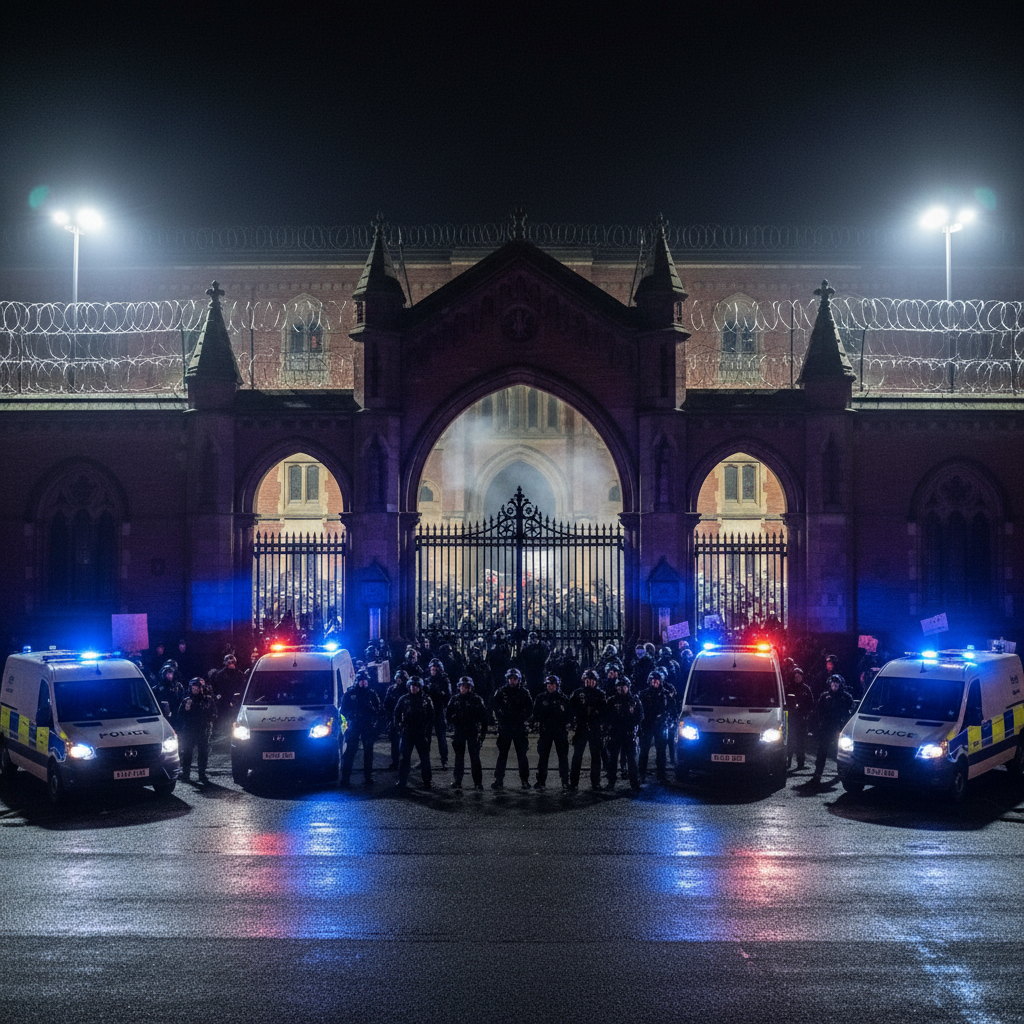
Tensions peaked on January 17 when President Trump announced immediate ten percent tariffs on eight European allies including Denmark and the United Kingdom. He demanded the total purchase of Greenland to secure American strategic interests in the Arctic, the president warned levies would rise to 25 percent by June without a deal. This move followed a long history of American interest in the island, the United States previously attempted purchases in 1867 and 1946.
Trump viewed control of the territory as vital for his proposed missile defense system, he refused to rule out military force to achieve the acquisition. Danish Prime Minister Mette Frederiksen maintained that the territory was not for sale, she warned that any military action against a partner would destroy the alliance. This ultimatum placed significant strain on diplomatic relations, economic markets reacted swiftly to the prospect of a trade war between traditional allies.
Lammy Details Diplomatic Victory at Davos Summit
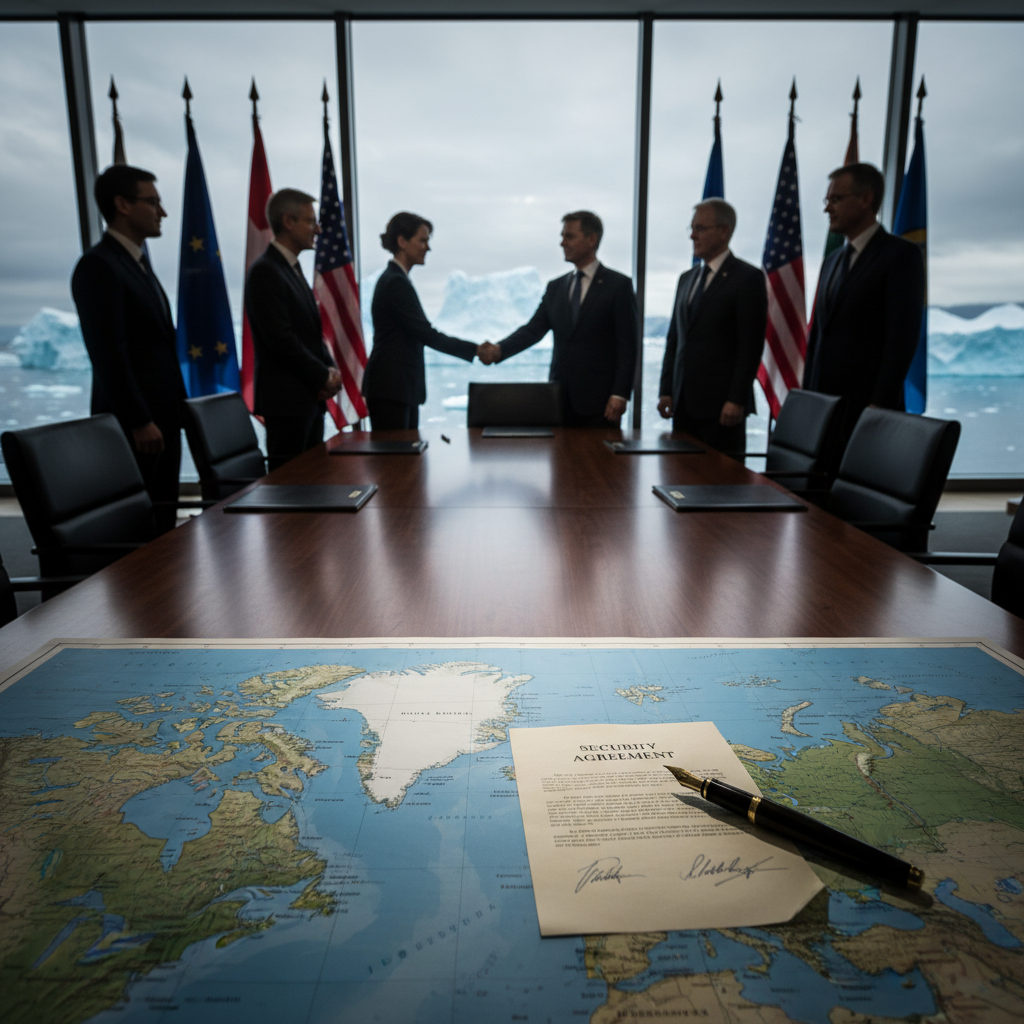
David Lammy described the resolution as a direct result of concerted pressure from British and European officials during the World Economic Forum in Davos. The breakthrough came during a high-stakes meeting between Trump and NATO Secretary-General Mark Rutte on January 21, the president agreed to drop tariff threats in exchange for a modernized security arrangement. While Trump claimed the agreement grants the United States total and permanent access to the region, European leaders insisted Danish sovereignty remains intact.
The new Arctic Security Framework expands the alliance's military presence in the High North, the deal specifically aims to block non-allied investment in critical infrastructure. British Prime Minister Sir Keir Starmer publicly rebuked the initial purchase attempt, he stated Britain would not yield on its values or the right of self-determination. Lammy noted that the tectonic plates of geopolitics have shifted, he emphasized that the United Kingdom had to make its position on international law absolutely clear to protect global stability.
Alliance Faces Uncertainty Despite Immediate Resolution
Military experts warn that the alliance suffered a rupture during the crisis despite the eventual agreement. The threat of tariffs and potential force against a member state has shaken the foundation of mutual defense, European nations are now accelerating plans for strategic autonomy to reduce reliance on American security. Greenland officials remain vigilant regarding the practical application of the new framework, local leaders fear the United States will continue pushing for control over mineral resources.
The finalized details of the security pact await implementation later this year. Diplomats expect further friction as the United States seeks to expand its missile defense capabilities within the designated zones.