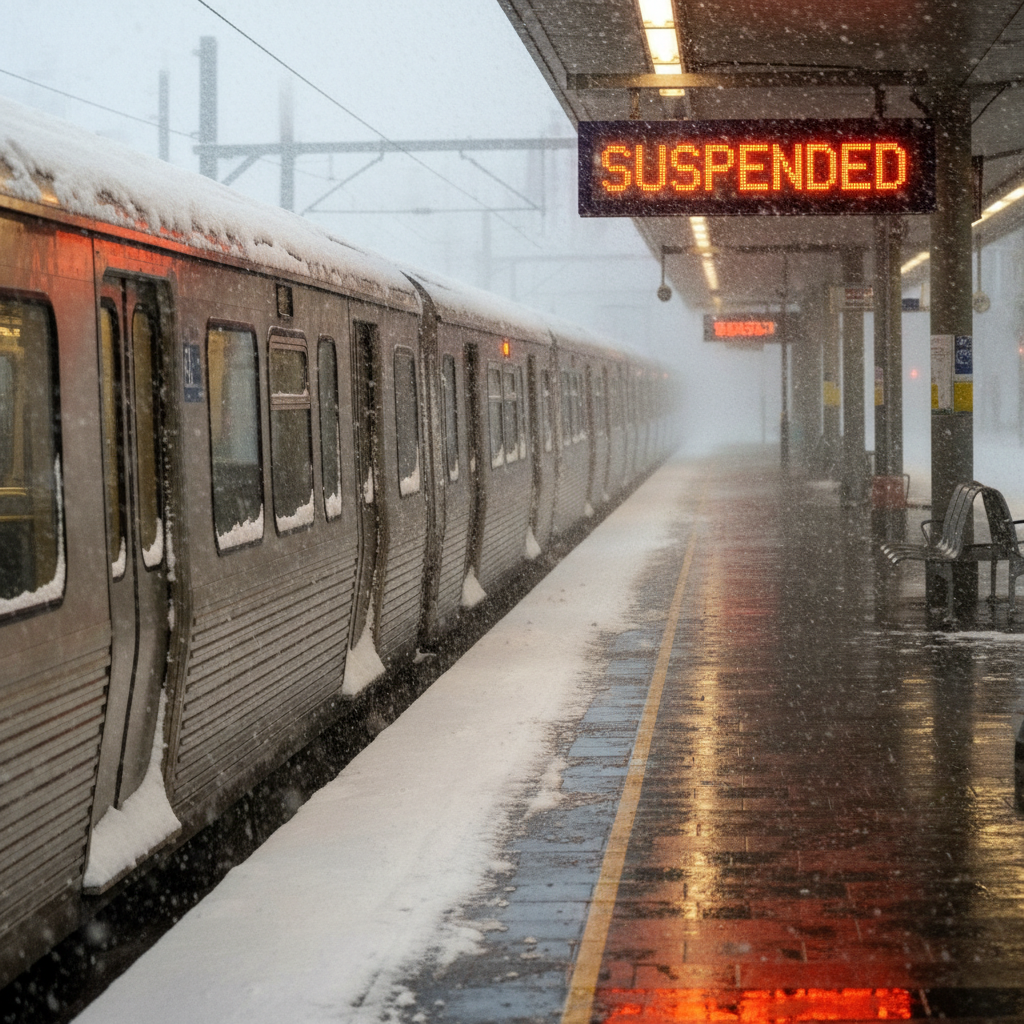
Winter Storm Fern Paralyzes Travel and Infrastructure Across Twenty Two States
A massive weather system known as Winter Storm Fern is currently sweeping across the United States, this coast-to-coast event has impacted approximately 230 million residents across 22 states. The storm system has triggered multiple emergency declarations, it has already resulted in four confirmed fatalities and widespread infrastructure challenges since January 23.
Comparisons to 2021 Freeze Raise Alarm Regarding Grid Stability
This event arrives as energy officials remain cautious following the catastrophic 2021 winter storms, the memories of Winter Storm Uri have prompted immediate preventative measures across the energy sector. The geographic reach of the current system mirrors the historic 1993 "Storm of the Century," modern satellite technology allowed for better preparation intervals this time around. The Department of Energy has issued emergency orders for the Electric Reliability Council of Texas (ERCOT) to use backup generators, this move aims to prevent the widespread blackouts that previously devastated the region. These proactive steps come as wind chills have plunged to negative 50 degrees Fahrenheit in the Northern Plains, temperatures have also dropped to negative 10 degrees along the Texas Gulf Coast.
Severe Ice and Snow Accumulations Disrupt Aviation and Utilities
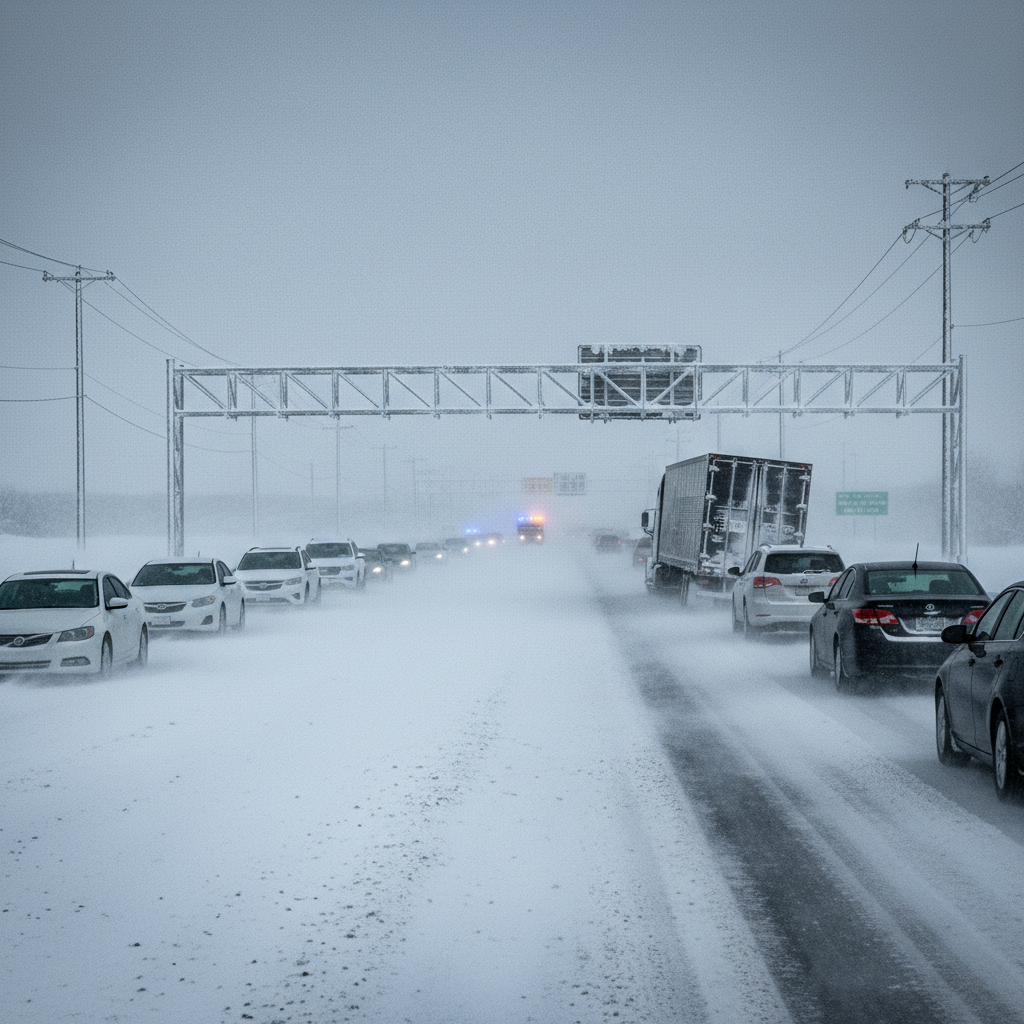
Precipitation totals have reached dangerous levels in the Northeast region, localized snowfall in New York and Pennsylvania has hit 24 inches as the system moves through its peak phase. The Southern states are battling a different threat, ice accumulation between 0.25 and 0.5 inches has coated major transit corridors like I-20 and I-40. This hazardous glazing has particularly affected metropolitan areas including Nashville and Atlanta, road conditions remain treacherous for emergency vehicles and commuters.
Flight Cancellations Mount as Airlines Struggle with Logistics
The aviation sector faces significant operational hurdles, over 15,000 flight disruptions have occurred since Friday due to the volatile mix of Arctic air and moisture. Atlanta’s Hartsfield-Jackson International Airport recorded over 1,000 cancellations in a single day, this disruption rivals the airline chaos seen during the 2014 winter event. Major carriers including Delta and United have issued nationwide travel waivers, residual delays are expected to continue through Wednesday as crews work to reposition aircraft.
Vulnerable Populations and Travelers Face Dangerous Conditions
Utility companies report that approximately 140,000 customers are currently without power, ice-laden trees have brought down lines throughout the Southeast. The unhoused population faces life-threatening risks, shelters in places like Oklahoma City are straining to accommodate those escaping sub-zero wind chills. The National Weather Service predicts these dangerous temperatures will persist until February 1, residents in the Ohio Valley should prepare for continued freeze risks such as burst pipes and frostbite.
Federal agencies face intense scrutiny over staffing levels during this crisis, the success of the FEMA response will likely influence future budget debates regarding disaster management resources. Officials urge residents to stay off roads as crews work to restore services and clear debris.