Australia Enforces Strict Social Media Ban for Under-16s as Tech Giants Purge Accounts
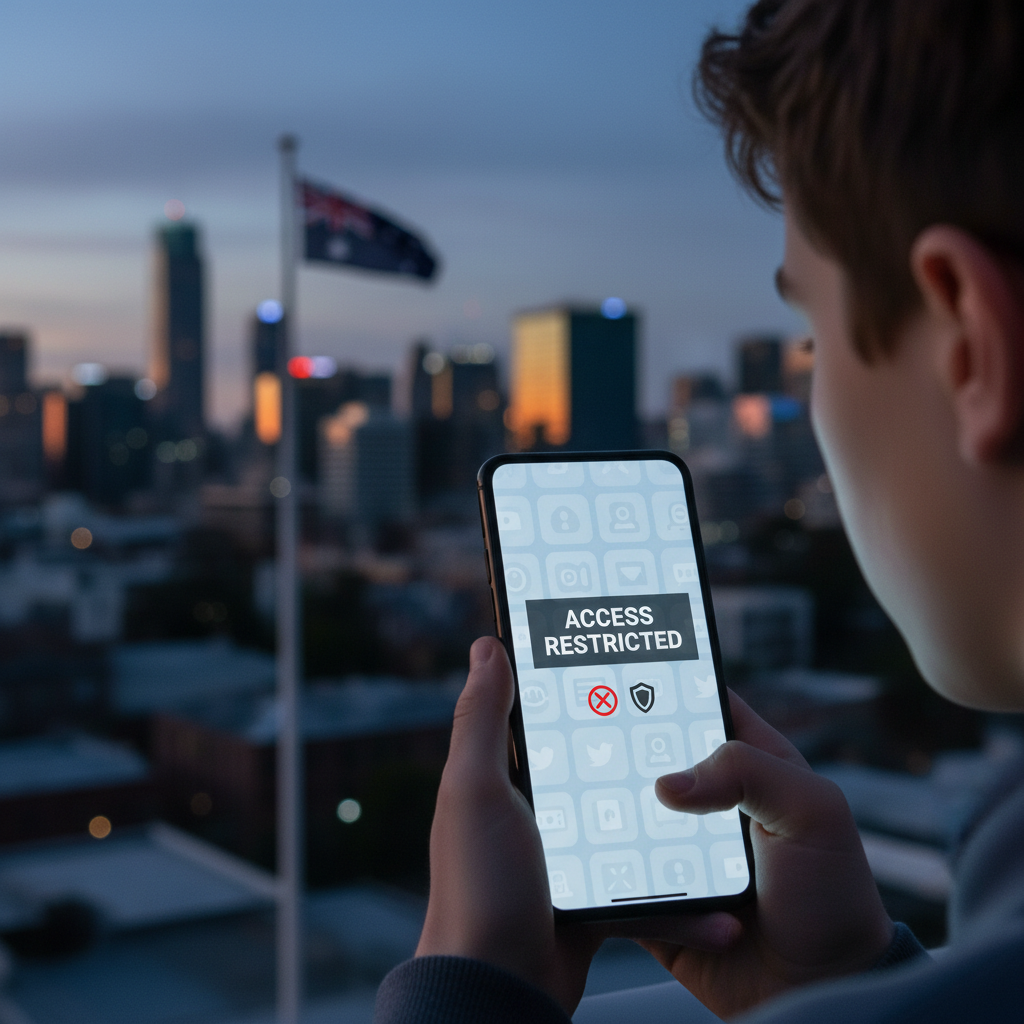
Australia has officially implemented the world's strictest social media ban, prohibiting access for children under 16 without parental exemptions. The legislation took effect in December 2025, resulting in the immediate restriction of millions of accounts across major platforms like Instagram and TikTok as regulators enforce compliance.
Rising Mental Health Concerns Prompt Legislative Action
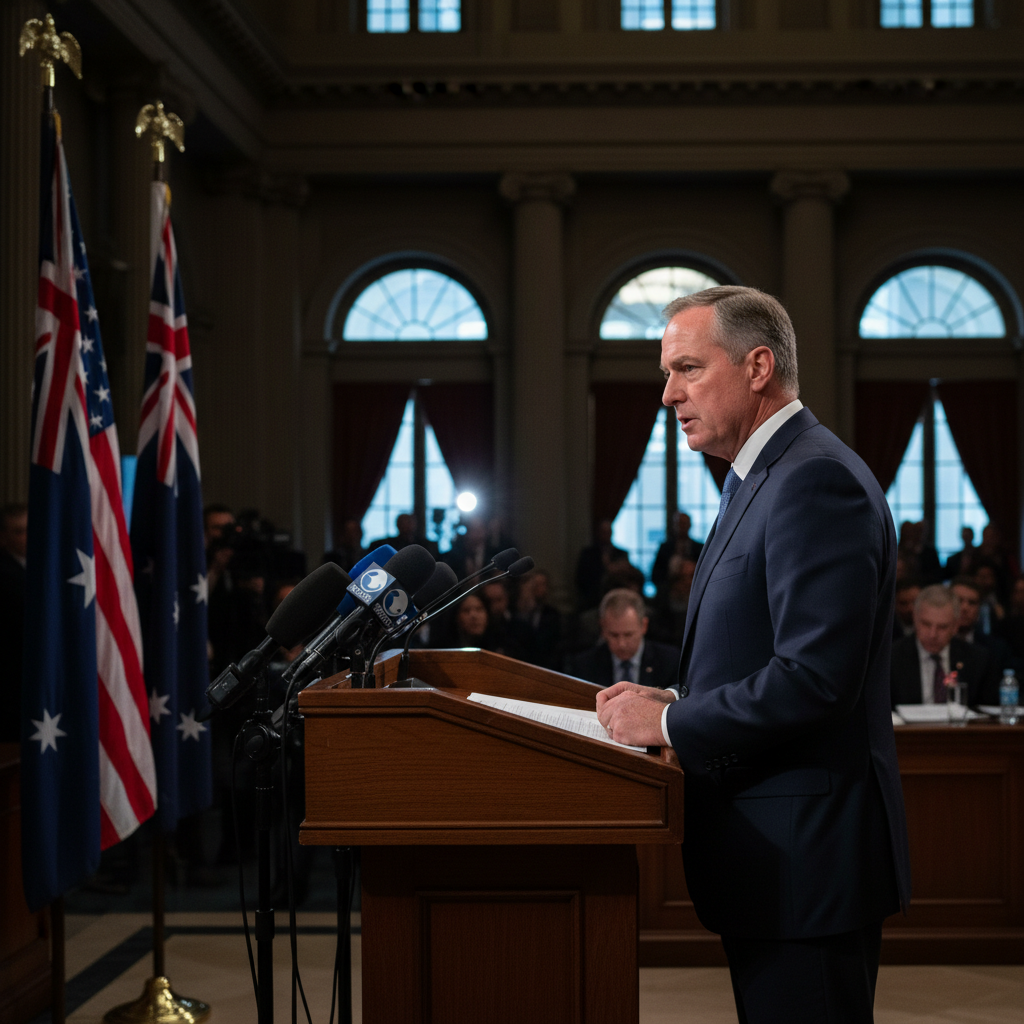
The government championed this legislation following years of debate regarding the impact of digital platforms on youth mental health, Prime Minister Anthony Albanese described social media as a hazard to developing minds. Officials acted on rising rates of anxiety and cyberbullying, this move shifts responsibility from parents to tech companies. Previous reliance on industry self-regulation proved ineffective, the new law represents a definitive pivot toward state enforcement to protect younger demographics. The eSafety Commissioner now oversees the rollout, monitoring how effectively platforms prevent underage access. This shift stems from a political movement that began in South Australia, it quickly gained federal support after a comprehensive legal review outlined the necessary framework.
Platforms Deactivate Millions of Accounts to Ensure Compliance
Tech giants have scrambled to meet the new standards since the law took effect on December 10, 2025, industry data reveals that approximately 4.7 million accounts were deactivated or restricted in the first month alone. Companies including Meta and TikTok now face civil penalties of up to A$49.5 million for systemic failures, they must employ age verification technology such as biometric analysis or government identification. The ban applies to services like Facebook, X, and Reddit, however the legislation places the burden of proof entirely on the corporations rather than the users. Platforms are adopting a layered approach to compliance, they utilize behavioral analysis and age inference tools to estimate user ages without always requiring hard documentation.
Exemptions Ensure Educational Access Remains Available
Regulators included specific carve-outs to prevent total digital isolation for teenagers, platforms such as Google Classroom and WhatsApp remain legal for under-16s to use. This distinction ensures students can maintain contact with family members and complete schoolwork, the focus remains strictly on algorithmic social feeds that encourage addictive scrolling. These exemptions allow essential communication channels to remain open, this prevents the ban from hindering educational progress or family connectivity.
Legal Challenges and Global Observers Test New Rules
A constitutional challenge is currently underway in the High Court, two teenagers argue the ban infringes on political communication rights. Privacy advocates warn against the collection of personal data for age verification, meanwhile nations like the United Kingdom and Denmark are monitoring the results closely as they consider similar legislation. Critics also fear a "cliff edge" effect where teenagers enter the digital world at 16 without prior experience, this could leave them unprepared for online risks they formerly navigated with parental guidance.
The success of this policy depends on the upcoming court ruling later this year, experts suggest the outcome will define the future of global internet regulation for minors.