Cary Engineering Firm Transforms Agricultural Waste Into Economic Assets for Farmers
Agri-Waste Technology has emerged as a vital partner for the state's massive livestock industry, the Cary-based firm provides essential engineering services that keep farms operational amid strict regulations. This development highlights a major shift in how agriculture manages environmental impact, producers are increasingly relying on technical experts to navigate complex legal requirements.
Strict Environmental History Sets Stage for Innovation
The current landscape of North Carolina agriculture is defined by decades of regulatory challenges, the state saw its hog population explode from roughly two million to over eight million during the early 1990s. This rapid growth led to significant environmental concerns following Hurricane Floyd in 1999, the storm caused flooding that washed waste from lagoons into local waterways. State lawmakers responded by passing a moratorium on new farms using traditional waste systems, this ban became permanent in 2007. These events created a difficult environment for producers, they required new methods to manage waste without violating state laws or harming the ecosystem.
Company Deploys Science to Verify Carbon Reduction
Agri-Waste Technology has spent over 40 years refining methods to help producers do more with less, the firm provides nutrient management planning and wastewater engineering to major industry players. President Jeffrey Vaughan leads efforts to prove that waste can serve as a precise fertilizer, this approach moves beyond simple disposal to create value for the soil. The company now validates projects for carbon markets, they verify Greenhouse Gas reductions for farmers who are seeking new revenue streams through environmental stewardship.
Technology Drives Shift Toward Renewable Energy
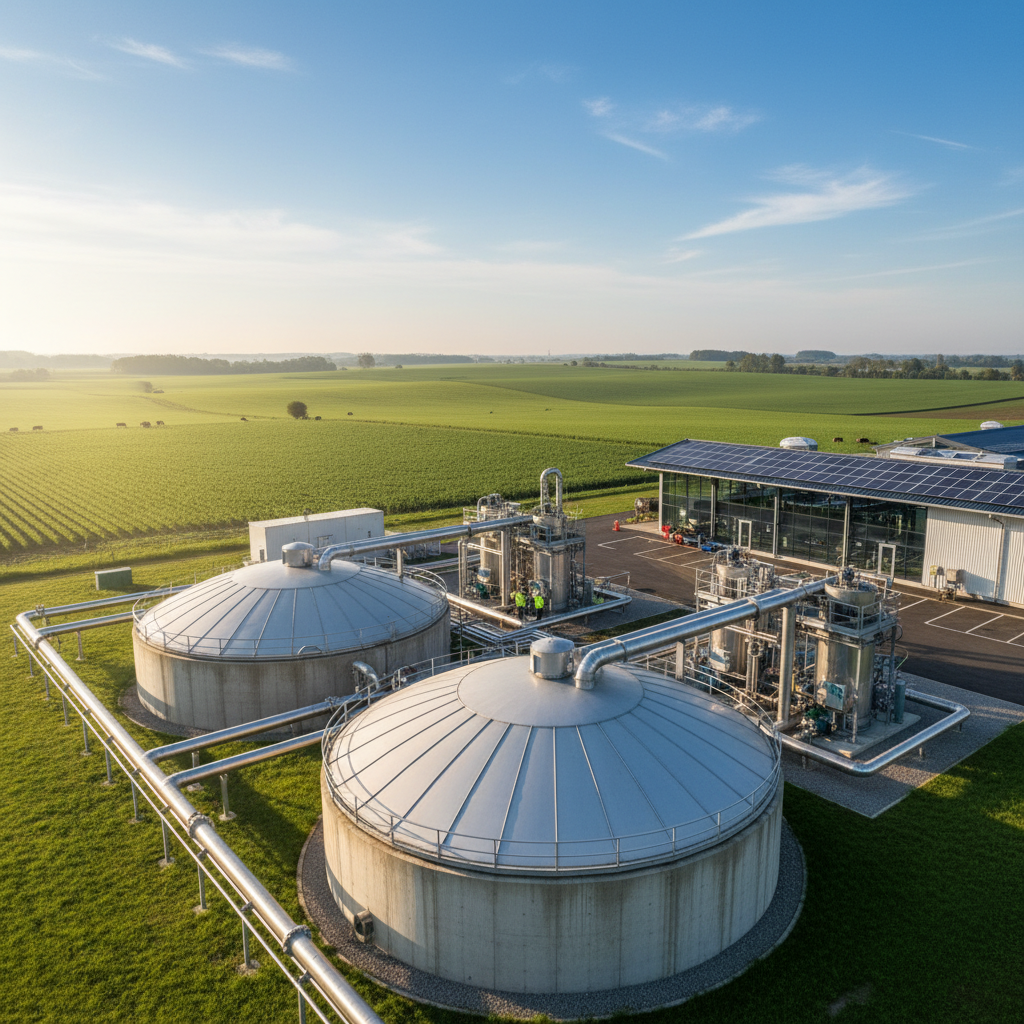
A major focus involves capturing methane from hog waste to power homes, this process creates Renewable Natural Gas. Engineers use precision mapping to apply nutrients with high accuracy, this ensures compliance with permits enforced by state regulators. The firm acts as a bridge between corporate integrators and family farms, they ensure that even small operations can access the advanced technology needed to remain viable.
State Economy Strengthened by Modernized Farming Practices
The agricultural sector contributes over $100 billion to the state economy, the engineering services provided by the firm effectively insure this industry against regulatory shutdowns. Producers now view waste as a commodity rather than a burden, this shift opens access to global carbon trading markets. Farmers are able to stabilize their income by selling carbon credits, this helps offset the thin profit margins often found in livestock production.
Experts predict North Carolina will become a global hub for agri-waste innovation, the applied science developed here is already being exported to other regions facing similar challenges. Officials urge other states to look at this model as a blueprint for sustainable farming.