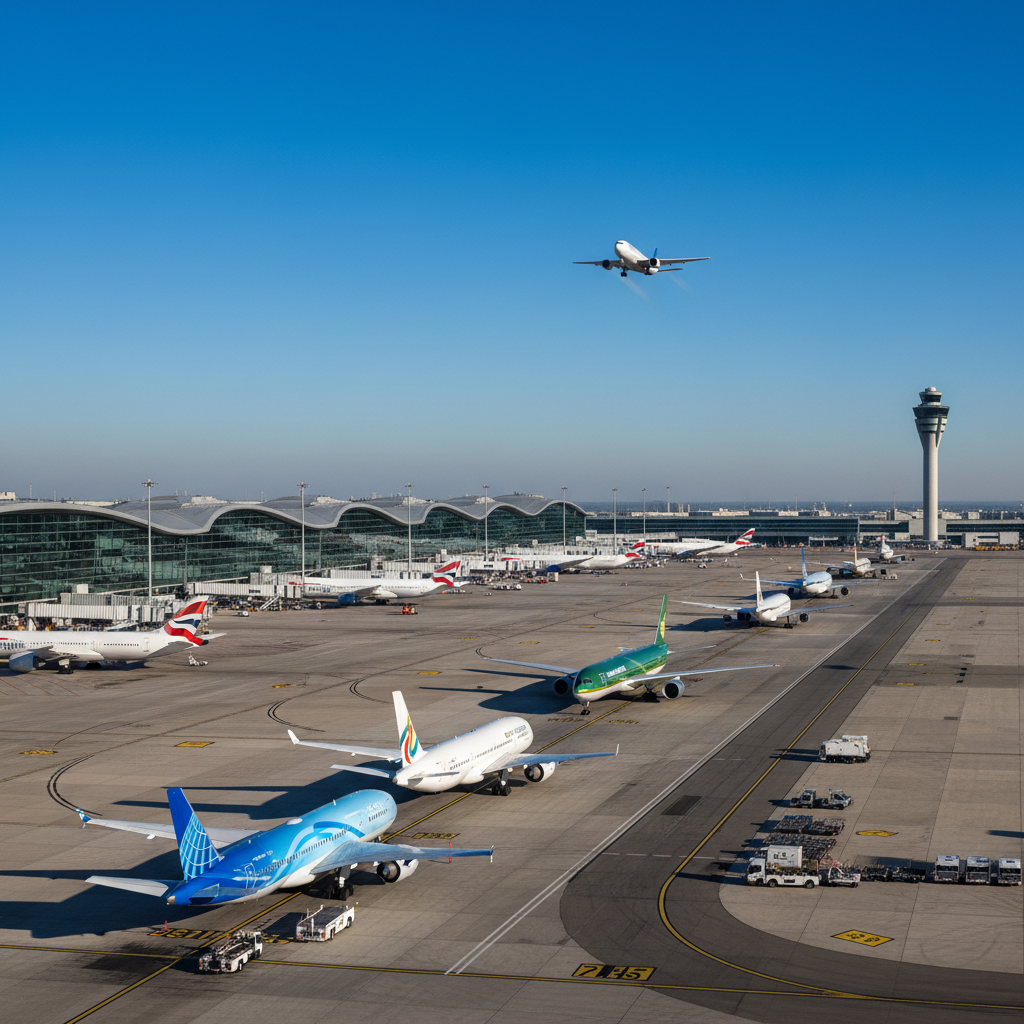
Chicago O'Hare Overtakes Atlanta as America's Busiest Airport by Flight Volume
A significant shift in aviation rankings has occurred, Chicago O'Hare International Airport has officially reclaimed the title of busiest hub in the United States based on flight frequency. This development ends a long reign by Atlanta, new federal data reveals that expanding airline schedules and a recovery in regional connectivity drove the change.
Decades of Rivalry Between Major Hubs Define Rankings
For years, these two transit giants have traded the top spot in varying metrics, Atlanta took the lead in 1998 and held it firmly since the global pandemic began. The distinction relies heavily on how the industry defines activity, while Atlanta still serves more total passengers due to larger aircraft, Chicago dominates in the sheer number of daily takeoffs and landings. This specific metric is known as aircraft movements, it tracks every time a plane touches the runway regardless of how many people are on board. The return of O'Hare to the top spot signifies a complete recovery of aviation connectivity in the Midwest, the region had lagged slightly behind the South in previous years.
Preliminary 2025 Data Shows Surge in Midwest Flight Operations
Federal Aviation Administration reports indicate that O'Hare logged 857,392 operations last year, this figure represents a significant 10.5% jump compared to 2024 levels. Atlanta Hartsfield Jackson dropped to second place with 807,625 movements, the data highlights a diverging strategy between the major carriers at each location. United Airlines and American Airlines have aggressively added frequencies at their Chicago hubs, meanwhile Delta Air Lines in Atlanta focuses on using larger jets to move people with fewer individual flights. This strategic difference allowed Chicago to surpass its southern rival in operational volume even while serving fewer total passengers.
Infrastructure Projects Fuel Future Growth Capabilities
The volume increase coincides with massive construction efforts, Chicago is advancing its multibillion dollar modernization program known as O'Hare 21. City officials note that new gate capacity allows for this operational density, the upcoming Global Terminal aims to streamline international connections further. This expansion is essential for maintaining the new ranking, airlines have indicated they plan to continue increasing their schedules through the remainder of the decade.
Travelers Gain Options But Face Potential Delay Risks
Passengers in the Midwest will likely see more schedule choices, the increased frequency provides better links to smaller regional cities that rely on hub connectivity. However, a higher volume of planes creates logistical challenges, the risk of runway congestion often rises with operational density during winter months. The economic benefits remain substantial for the region, local leaders estimate the airport generates over $38 billion annually for the local economy.
Airlines have already announced plans to add nearly 40 new destinations in 2026, this suggests Chicago could hold its lead over Atlanta for the foreseeable future.