Massive Winter Storm Puts Trump Administration Disaster Policy to Critical Test
A historic weather system spanning 2,000 miles is currently battering the United States, this monster storm places 230 million Americans under alert and serves as the first major operational challenge for President Trump’s restructured disaster management framework.
New Federal Approach Shifts Burden to States
The current response unfolds against a backdrop of significant policy changes, the administration is actively pursuing a "states-first" model for emergency management. Officials have signaled intentions to reduce reliance on the Federal Emergency Management Agency, reports indicate plans to raise the damage threshold for federal aid to four times current levels. These strategic shifts aim to cut costs by weaning local governments off federal support, critics argue this approach leaves vulnerable regions exposed during catastrophic events like the current deep freeze. The administration had previously reduced the FEMA workforce by over six percent, this storm now forces a real-time evaluation of those reduction strategies.
Severe Weather Triggers Emergency Declarations and Grid Orders
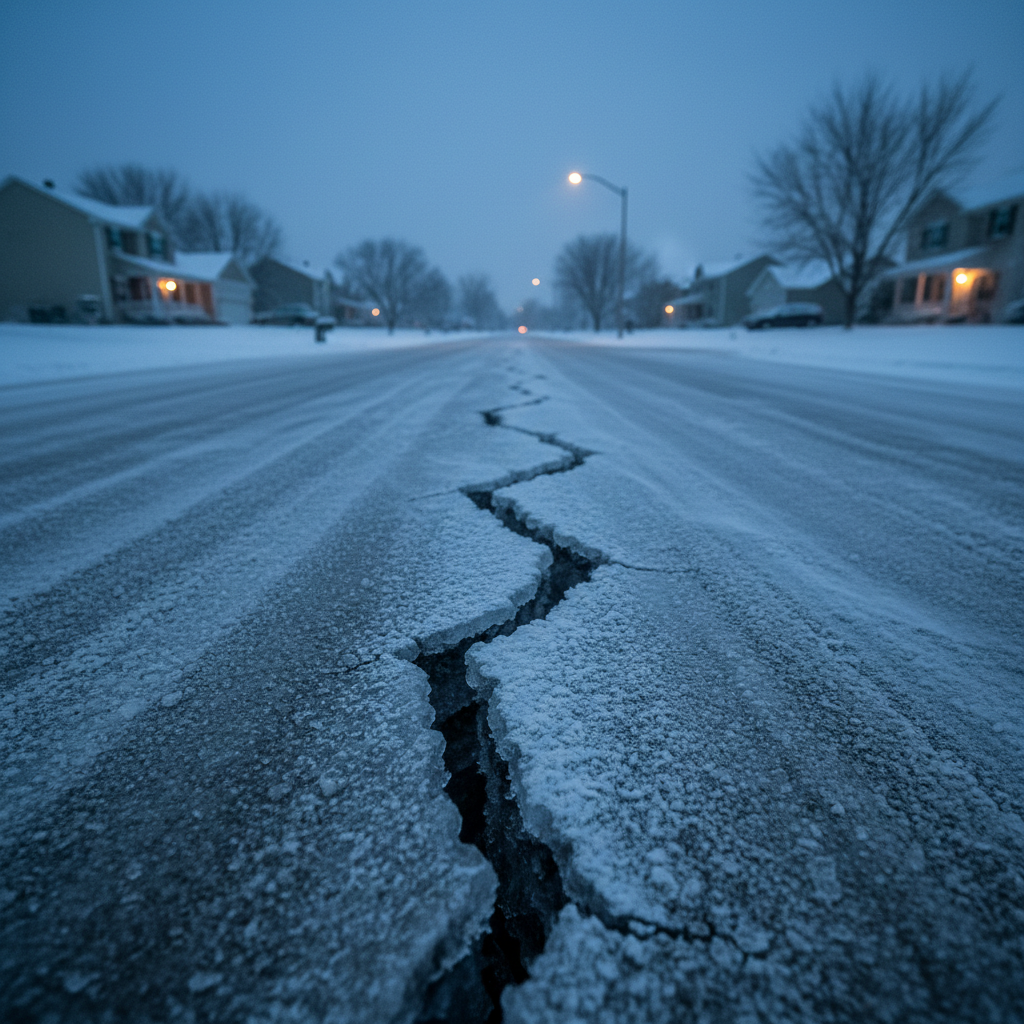
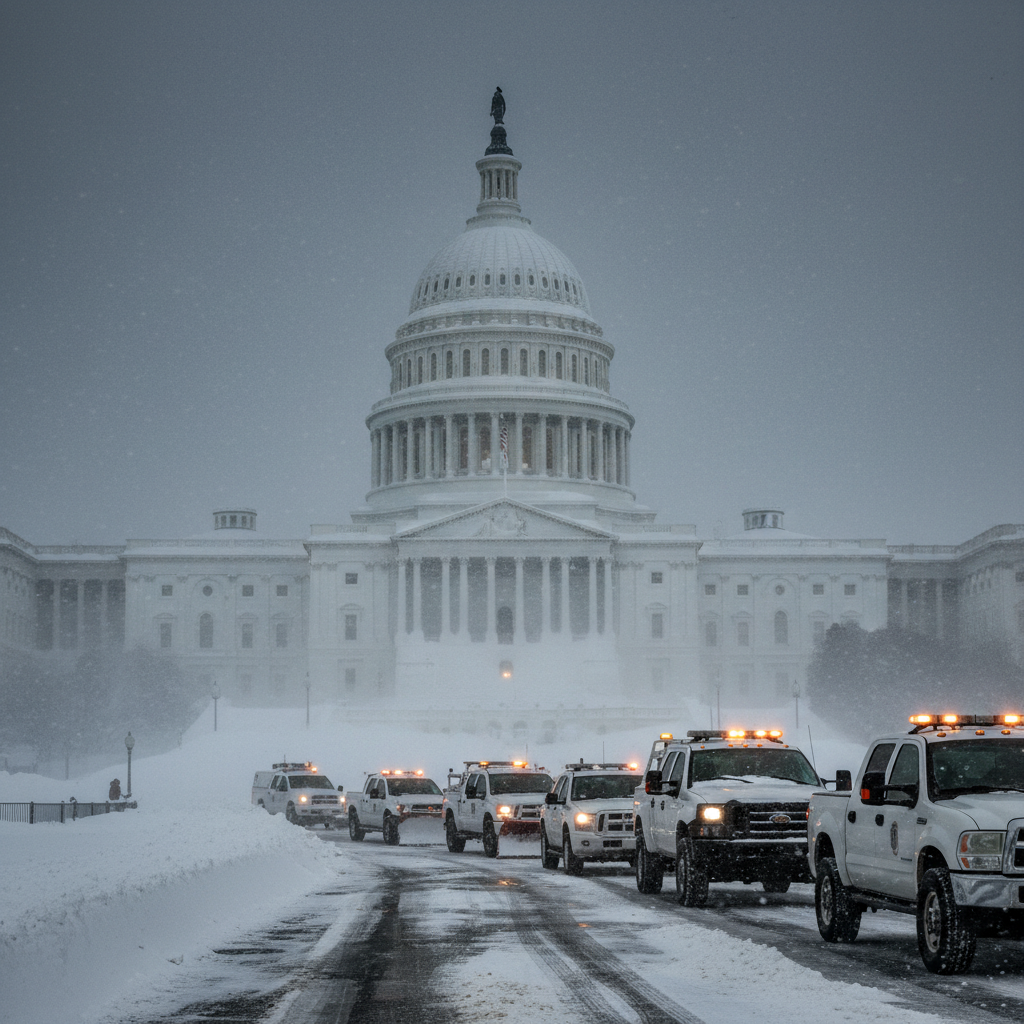
Severe conditions have already claimed at least four lives, the storm system is dumping up to 18 inches of snow across the Northeast while glazing the Deep South in dangerous ice. President Trump has approved emergency declarations for 12 states, these include Virginia and Georgia where infrastructure faces catastrophic strain. Homeland Security Secretary Kristi Noem has temporarily paused planned staff reductions to ensure adequate manpower, this sudden move halts the termination of hundreds of disaster workers to handle the immediate crisis. Operational data shows over 4,000 flight cancellations occurred on Saturday alone, widespread travel disruptions continue to isolate communities.
Energy Secretary Wright issued an emergency order to stabilize the Mid-Atlantic power grid, the administration cites the storm as justification to reverse previous green energy initiatives. Officials argue that renewable sources have weakened grid reliability, they are pivoting back toward coal and natural gas as essential fail-safes during extreme winter events. Power outages have impacted roughly 230,000 customers across the central states, utility crews face difficulty restoring service due to rapid ice accumulation. The White House continues to monitor the situation from Washington, the President has used social media to dismiss climate change concerns while coordinating relief efforts.
Millions Face Travel Chaos and Power Instability
The immediate fallout involves widespread disruption for travelers and homeowners, significant ice accumulation threatens to snap power lines in areas unaccustomed to such cold. Congressional leaders are closely monitoring the federal response, a bipartisan group is moving to block proposed budget cuts to disaster aid in light of the storm's severity. The effectiveness of this recovery effort will likely determine the political viability of future plans to downsize federal agencies, Republican governors in affected states may face intense pressure if assistance arrives too slowly.
Authorities urge residents in the path of the storm to stay off roads, officials emphasize that dangerous conditions will persist through the weekend as Arctic air settles over the region.