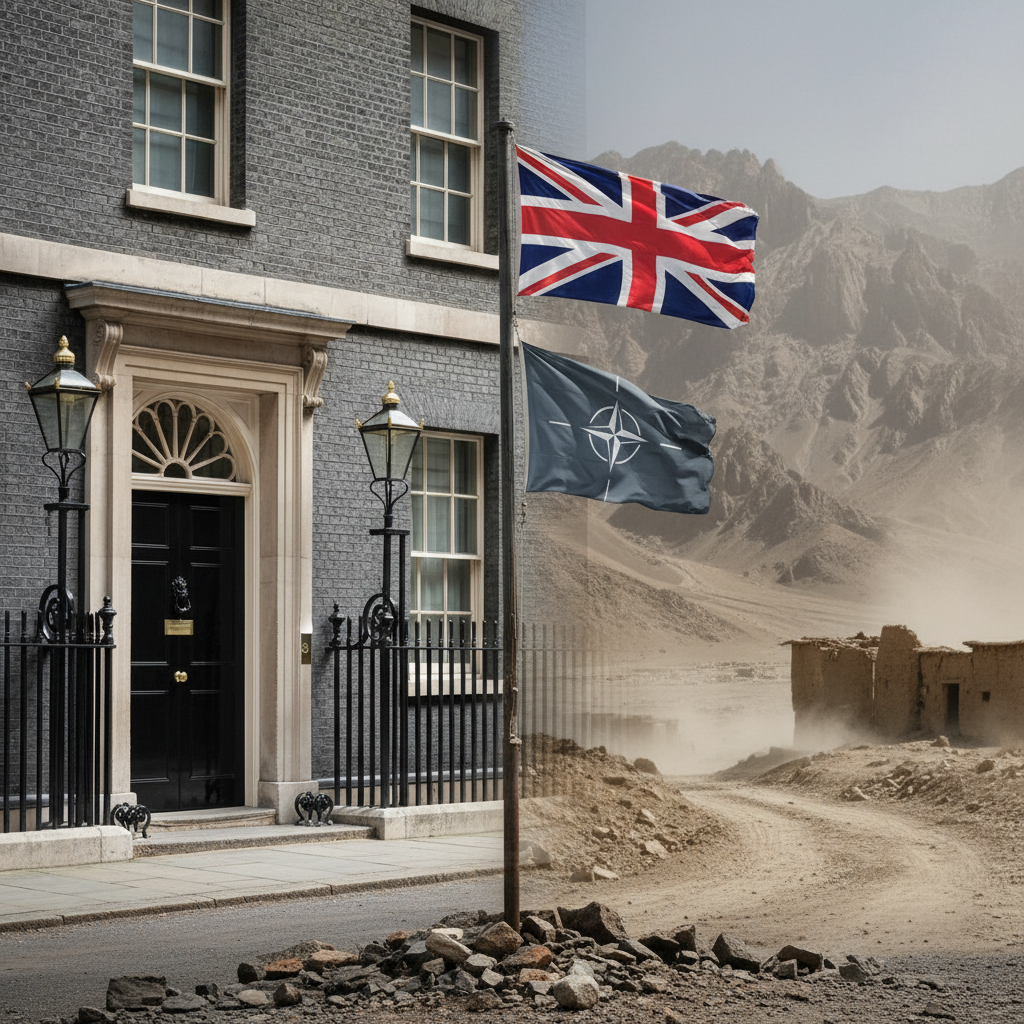
Global Leaders Signal End of Post-War Era as Transactional Diplomacy Rises
Canadian Prime Minister Mark Carney declared the death of the rules-based international order at the World Economic Forum in Davos this week, this announcement follows US President Donald Trump's creation of a rival "Board of Peace" organization, the events mark a seismic shift toward 1930s-style power politics.
Decades of Stability Fracture Under New Geopolitical Pressures
The post-1945 system relied on multilateral institutions like the United Nations to maintain peace, however, this framework has eroded significantly in recent years due to great power competition. Smaller nations previously relied on collective defense and open trade for security, yet rising nationalism has exposed the fragility of these historic agreements. The comparison to the pre-World War II era suggests a return to a time where major powers act without constraint, consequently, the safety net for mid-sized economies is disappearing rapidly as established norms vanish.
Davos Summit Reveals Trump's Board of Peace and Carney's Response
Tensions peaked when President Trump unveiled the "Board of Peace" as a transactional alternative to the UN, this new body reportedly requires a $1 billion entry fee for permanent seats and focuses on deal-based diplomacy. Canadian Prime Minister Mark Carney responded with a keynote address that attendees described as a eulogy for the old world order, he argued that the traditional rules-based system effectively no longer exists because it benefits the powerful while punishing the weak. The United States has already withdrawn from over 60 international organizations by executive order, this aggressive retreat has forced traditional allies to seek new survival strategies immediately.
Middle Powers Shift Toward Strategic Autonomy
Nations such as India, Brazil, and Canada are no longer looking to Washington for guaranteed protection, instead, they are securing independent supply chains for energy and food resources. This move represents a pivot toward "strategic autonomy" where countries build economic fortresses to withstand external coercion from superpowers, the focus is now on resilience rather than reliance on treaties.
Global Trade and Alliances Face Immediate Fragmentation
The shift toward regional trust blocks means the end of seamless global trade, businesses will likely face higher costs as supply chains break apart into smaller reliable units. Middle power nations must now navigate a landscape of competing empires without the protection of international law, this reality forces governments to prioritize raw power and self-sufficiency over diplomatic promises.
The emerging geopolitical landscape requires a complete rethinking of national defense and economic policy, experts warn that the era of relying on superpower benevolence has officially ended.