Historic Winter Storm Fern Shatters Records and Triggers Federal Power Grid Intervention
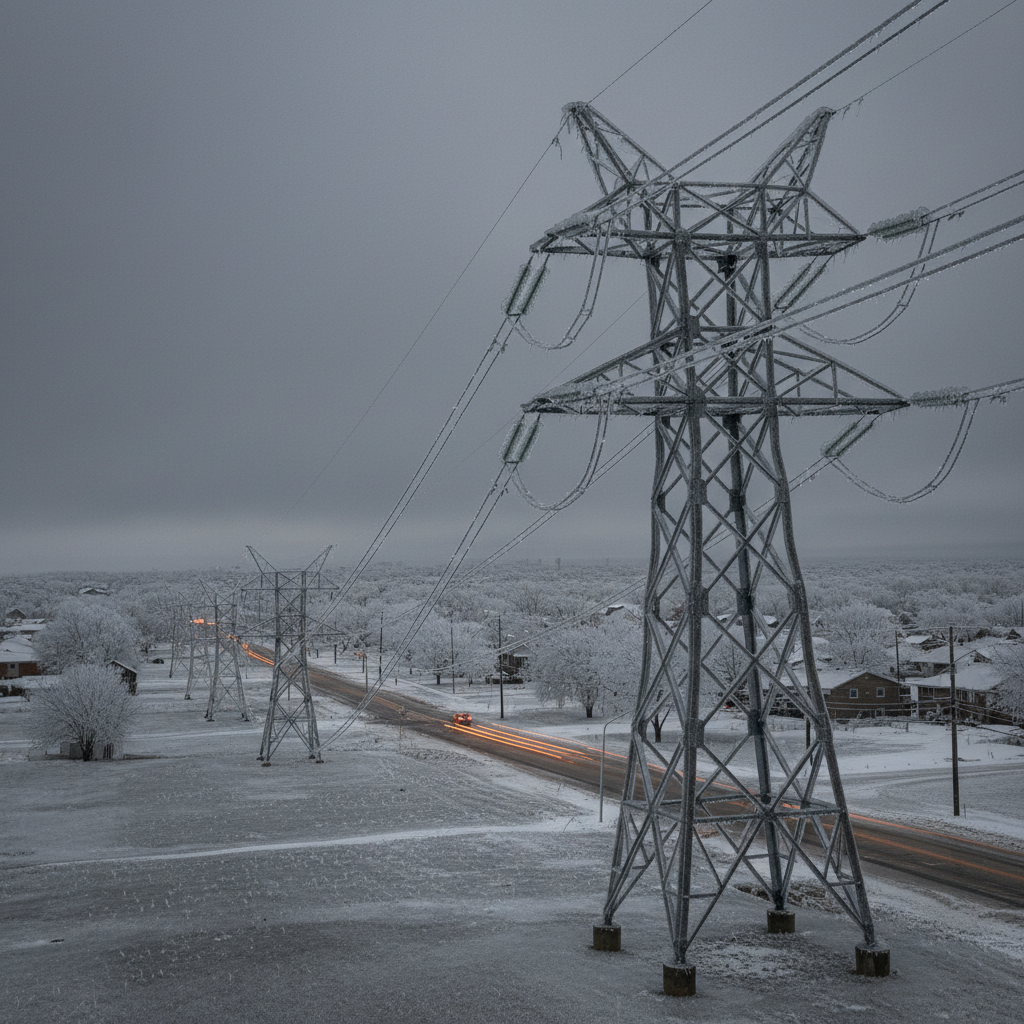
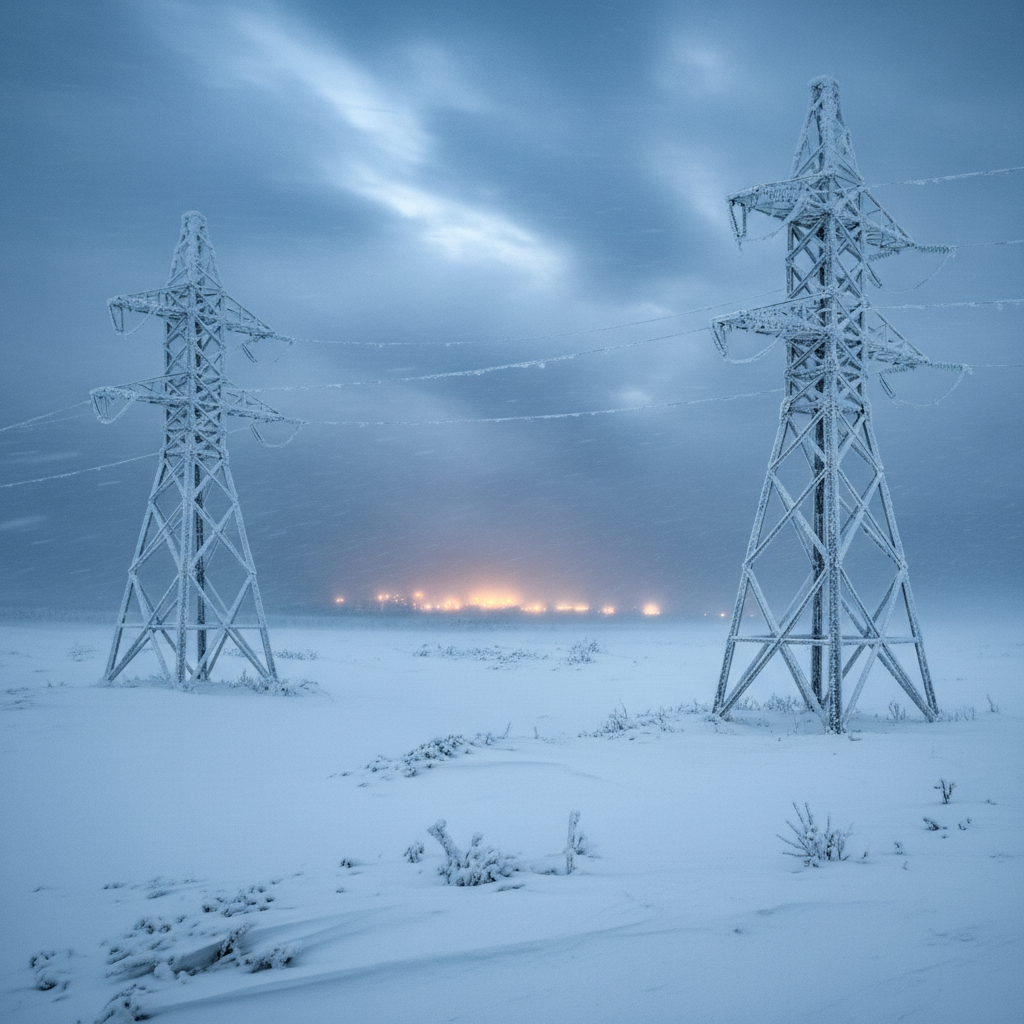
Winter Storm Fern paralyzed major sections of the United States this weekend, the massive system stretches 2,000 miles and has caused at least four confirmed fatalities. Federal officials activated emergency power protocols as Oklahoma City broke a 127-year-old snowfall record, early estimates suggest economic losses may exceed $24 billion.
Century-Old Weather Records Fall Across Region
Meteorological records shattered over the weekend as the storm intensified, Oklahoma City recorded 9.2 inches of snow which broke a benchmark set during the Great Freeze of 1899. The storm system spans from New Mexico to Maine, it currently affects nearly half the national population and includes wind chills as low as -50 degrees Fahrenheit in the Midwest. This event draws comparisons to the 1993 Storm of the Century, however, the current infrastructure faces unique challenges from high-demand data centers and complex energy needs.
Federal Agencies Deploy Resources to Stabilize Grid
Energy Secretary Chris Wright invoked Section 202(c) of the Federal Power Act on Sunday, this emergency order dispatched 35 gigawatts of backup generation to prevent widespread failure. 18 states declared emergencies as peak outages hit 315,000 households, the Tennessee Valley Authority successfully used upgraded gas plants to maintain stability during the freeze. Transportation networks faced severe interruptions alongside the power issues, airlines canceled over 15,000 flights while Hartsfield-Jackson Atlanta experienced its worst operational day since 2014.
Local Governments Coordinate Emergency Response
New York City Mayor Zohran Mamdani oversaw his first major crisis management operation, city crews prepared for heavy ice and snow accumulation. First responders in Chicago reported rare "frost quakes" caused by rapid freezing, meanwhile, the Department of Homeland Security coordinated the deployment of 250,000 meals to impacted southern states. Four deaths have been confirmed across North Carolina, Tennessee, and Texas, investigations continue regarding three additional potential casualties in New York.
Economic Losses Expected to Reach Billions
Financial analysts predict total economic damages will reach $24 billion, this figure includes lost productivity and infrastructure repairs. Supply chains face immediate pressure due to critically low road salt inventories, a three-year backlog for electrical transformers further complicates long-term recovery efforts. The storm has intensified debates regarding the winter resilience of renewable energy sources, utilities must now prioritize essential services as demand hits record highs.
Utility crews expect to restore full service by Wednesday, though supply chain disruptions may persist through early February. Officials urge residents in affected areas to conserve energy and remain off the roads until conditions improve.