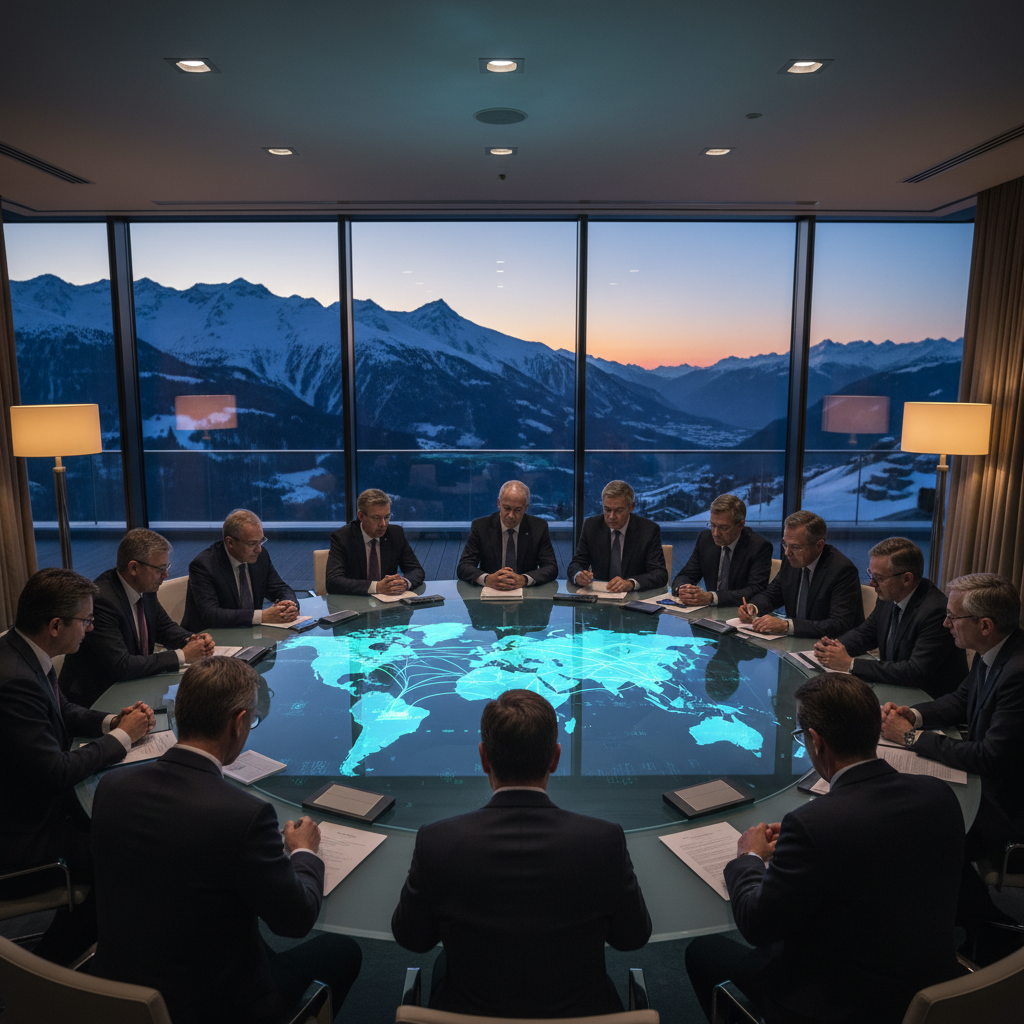
Middle Powers Assert Influence at World Economic Forum 2026 Amidst Global Fragmentation
The World Economic Forum in Davos has wrapped up with a clear message, nations known as middle powers are claiming a central role in global affairs. These countries are refusing to pick sides in superpower disputes, they are instead building their own networks to ensure economic resilience.
Geopolitical Polarization Creates Openings for New Global Leadership Roles
The global landscape has shifted dramatically over the last decade, the traditional binary power structure is eroding rapidly. This change allows countries with significant regional influence to step forward, they are becoming vital connectors in a fragmented world. Tensions between major superpowers have disrupted established trade routes, this instability forces other nations to seek alternative partners to maintain growth. Analysts point to a fatigue with binary choices, countries are looking for flexibility rather than rigid alignment. The concept of non alignment has evolved into multi alignment, nations are actively engaging with all sides to maximize their national benefits.
Davos Delegates Emphasize Strategic Autonomy and Regional Cooperation Initiatives
Leaders at the 2026 summit prioritized discussions on strategic autonomy, they argued that total reliance on a single ally is a distinct risk to national security. The forum highlighted specific efforts to localize supply chains, this trend targets industries ranging from semiconductors to green energy. Delegates from the Global South were particularly vocal, they demanded a reformation of financial institutions to better reflect current economic realities. These representatives stressed that international bodies must adapt to the rise of new economic centers, the old architecture is no longer sufficient for modern challenges.
Pragmatism Overrides Ideology in New Diplomatic Frameworks
The conversations revealed a collective desire to avoid cold war mentalities, officials stressed that economic pragmatism must override ideological rigidity. New coalitions are forming based on shared interests rather than historical alliances, these groups are focusing on climate action and digital governance. Economic diversification is now the primary goal for these nations, this strategy protects them from external political shocks. Middle powers are leveraging their critical minerals and manufacturing capabilities, this gives them significant bargaining power against larger economies. These nations are using their pivotal status to broker deals, they are effectively de escalating tensions that superpowers cannot resolve directly.
Multinational Corporations Face Complex Compliance and Trade Environments
International businesses will encounter a more patchwork regulatory environment, the assertiveness of middle powers introduces new rules for market access. Companies must tailor their operations to satisfy multiple centers of power, the days of seamless global standardization are fading. Executives must prepare for higher compliance costs, local governments are demanding more value creation within their borders. Investors are likely to see increased volatility in emerging markets, these areas are becoming central battlegrounds for economic influence.
The definition of global influence is expanding, the future belongs to those who can navigate a multipolar system. Observers note that flexibility will be the most valuable asset in the coming years, rigid alliances are becoming a thing of the past.