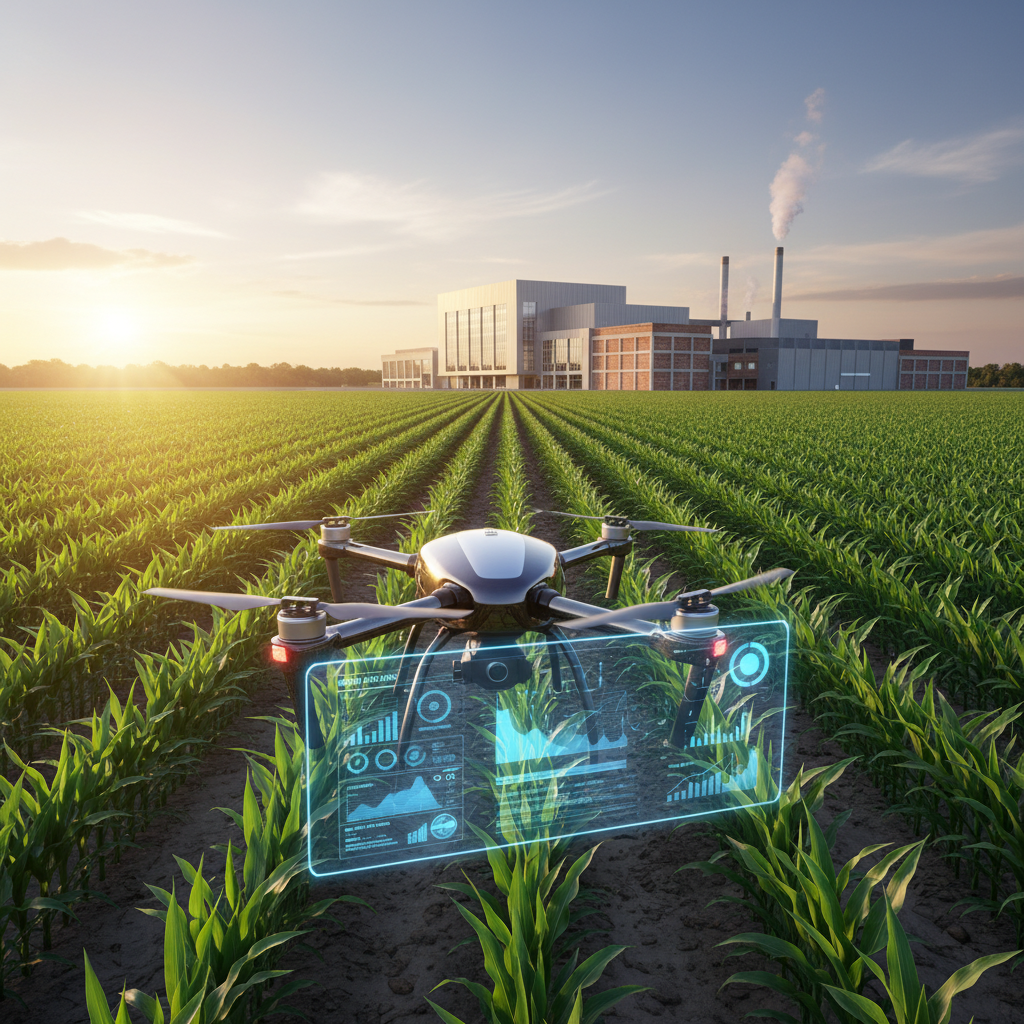
Mississippi Launches Strategic Plan Integrating Artificial Intelligence to Revitalize Struggling Agricultural Economy
State officials have unveiled a comprehensive strategy to combat economic stagnation by integrating artificial intelligence into the agriculture sector, the initiative aims to modernize farming practices while restoring manufacturing capabilities that moved overseas decades ago to secure local food supply chains.
Decades of Industrial Loss Spark Urgent Push for Modernization
The agricultural sector currently faces a severe downturn known as the farm crisis, production costs have doubled while commodity prices remain critically low. This financial strain follows a historical shift during the 1970s and 1980s, the region lost vital textile mills and processing plants to foreign competitors with cheaper labor costs. Mississippi effectively became a raw commodity exporter during this era, farmers were left vulnerable to volatile global markets and trade instabilities that continue to threaten local livelihoods today. Leaders argue that advanced technology offers the only viable path to reclaim this lost industrial power, the state must pivot from simply growing crops to processing them domestically.
Commissioner Gipson Unveils F.A.R.M. Plan to Automate Production
Agriculture Commissioner Andy Gipson formally introduced the Future Agriculture Resiliency for Mississippi plan, this initiative seeks to use robotics and AI to process raw goods within state borders. The strategy focuses on processing based agriculture, raw cotton could be woven into textiles by machines rather than being shipped abroad for manufacturing. Mississippi State University is supporting these efforts through its Agricultural Autonomy Institute, researchers are developing autonomous technologies for cattle herding and crop harvesting. State leaders have also introduced the Mississippi AI Talent Accelerator Program, this grant system of nearly ten million dollars is designed to train the local workforce for advanced manufacturing roles. Governor Tate Reeves recently signed an executive order to establish a foundation for this technological expansion, the goal is to secure food independence by controlling the entire supply chain locally.
Workforce and Land Management Facing Significant Operational Changes
The transition toward automated agriculture will require a massive shift in labor skills, workers must move from manual tasks to technical management roles. Officials acknowledge that artificial intelligence may displace up to 30 percent of existing jobs, the state intends to mitigate this by proactively retraining employees for skilled manufacturing positions. Land use battles may also emerge as data centers expand to support these digital networks, planners must balance infrastructure needs with the preservation of essential farmland.
This ambitious strategy attempts to reverse fifty years of industrial decline using modern technology, successful implementation could position the Southeast as the primary food production hub for the nation within two decades.