Trump Secures Greenland Military Access After Threatening European Allies With Tariffs
President Donald Trump has successfully leveraged the threat of aggressive trade penalties to secure expanded military rights in Greenland during high-stakes negotiations at the World Economic Forum. This diplomatic maneuver forces European leaders to concede sovereignty over key Arctic territories in exchange for avoiding a devastating trade war.
Decades of Strategic Shifts Lead to Arctic Standoff
The concept of the United States acquiring Greenland was first proposed during the first Trump administration in 2019, it was initially dismissed by Danish officials and global observers as a diplomatic absurdity. The geopolitical landscape has shifted dramatically since that time, the administration now views economic integration as a potent tool for coercion rather than a mechanism for mutual benefit. This strategy relies heavily on the International Emergency Economic Powers Act, the 1977 law allows the executive branch to impose broad economic sanctions during national emergencies. The current application of this law marks a significant departure from the post-war rules-based order, it signals a new era where security goals are achieved through financial intimidation.
NATO Officials Agree to Framework Deal Following Ultimatum
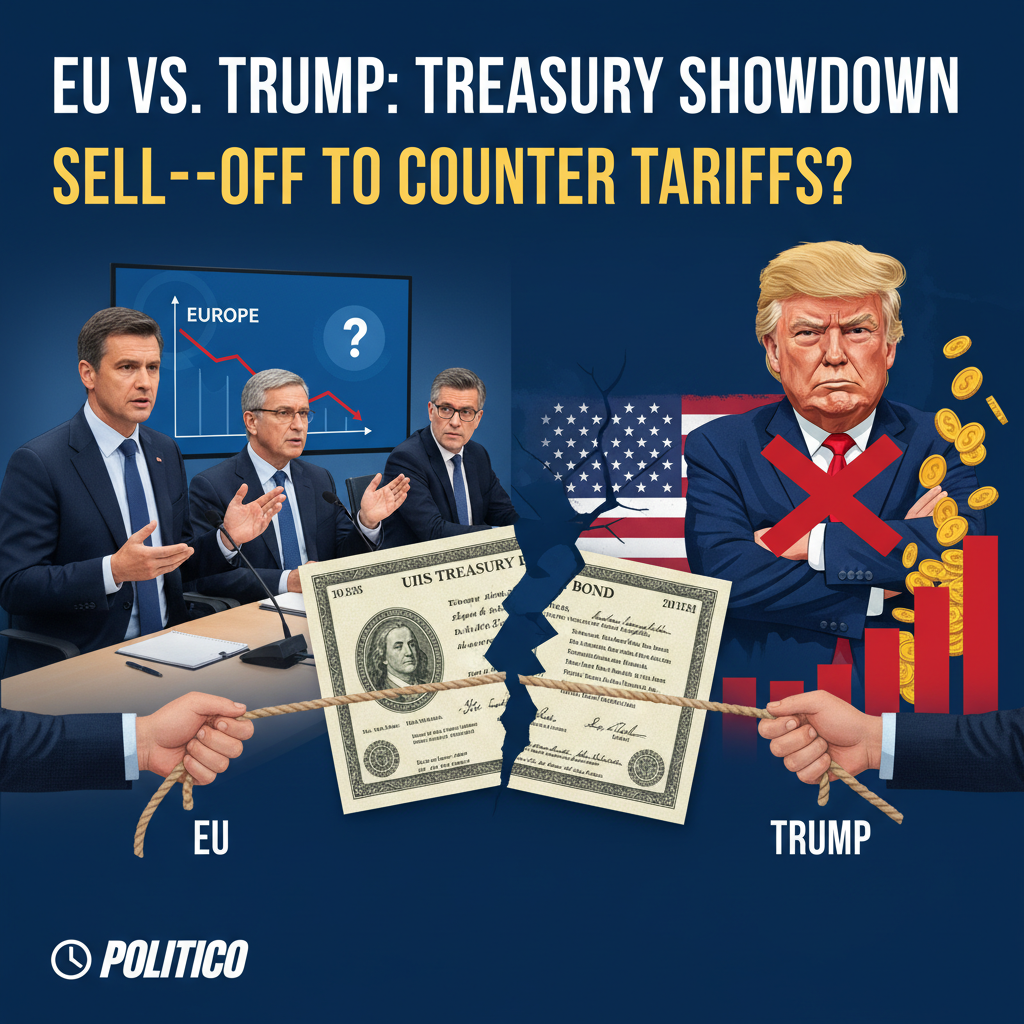
Tensions reached a breaking point on January 17 when the White House issued a severe ultimatum to eight European nations including the United Kingdom and Germany. The administration threatened to impose tariffs ranging from 10% to 25% on imports unless these allies facilitated U.S. acquisition goals in the Arctic, the move placed immediate pressure on the European economy. NATO Secretary-General Mark Rutte led rapid negotiations to avoid economic fallout, he announced a compromise framework on January 21 that satisfied American demands without a full purchase of the territory.
The agreement grants the United States expanded military sovereignty over specific bases within Greenland, the deal effectively creates independent American jurisdictions within the Danish territory. This access is specifically designed to facilitate the deployment of the Golden Dome, a $175 billion space-based missile defense system that requires high-latitude ground stations. Officials confirmed that while the deal avoids an outright sale of the island, it significantly reduces European control over the region's security infrastructure.
Opposition Voices Concerns Over Sovereignty
Local leaders in Nuuk have expressed profound skepticism regarding the arrangement, they fear that establishing sovereign pockets for the U.S. military will undermine local autonomy. Critics argue that the framework is fragile, any move to enforce these new sovereign rights could trigger civil unrest or accelerate calls for total independence from Denmark.
Global Alliances Shift as Middle Powers Seek Autonomy
The use of economic power as a diplomatic weapon has triggered a sharp response from traditional allies, Canadian Prime Minister Mark Carney delivered a viral address warning that middle powers must now unify to protect their interests. Carney stated that nations without a seat at the table will end up on the menu, this sentiment is driving a historic rupture in transatlantic relations. Central banks are responding to this volatility by diversifying their assets away from the dollar, global gold holdings have now surpassed U.S. dollar reserves for the first time in generations.
Markets are now looking toward the Supreme Court for a critical ruling on presidential tariff powers later this year. Analysts warn that continued economic coercion could accelerate the formation of competing trade blocs, this would permanently alter the global financial landscape.