United States Economy Expands at 4.4 Percent Pace Amid Consumer Spending Surge
The United States economy expanded at an annualized rate of 4.4 percent during the third quarter of 2025, the Commerce Department confirmed these final figures on Thursday, this marks the fastest pace of growth in two years and signals a robust recovery driven largely by household spending.
Recent Economic Volatility Sets Stage for Recovery
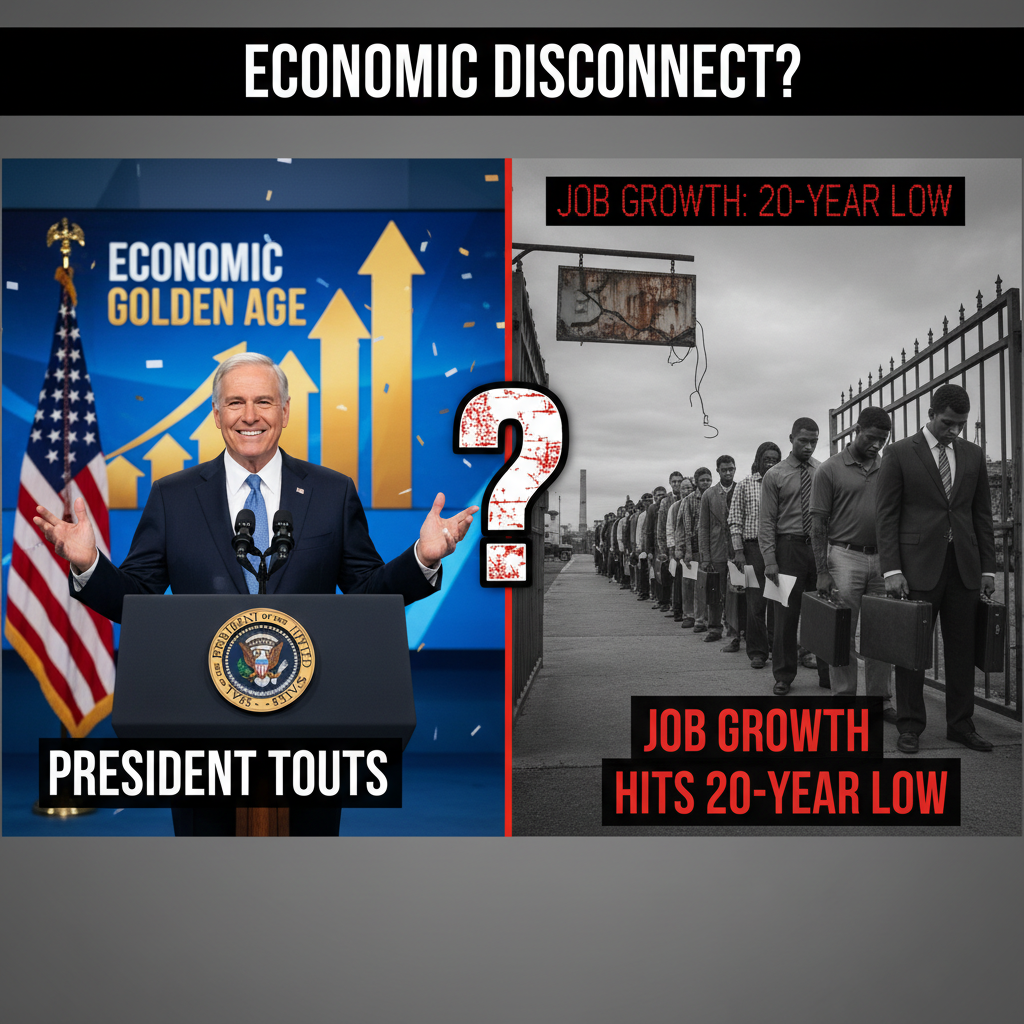
This surge follows a period of significant fluctuation for the American financial landscape, the first quarter of 2025 saw a contraction of 0.5 percent which raised fears of a recession, however the economy has since rebounded in a dramatic recovery pattern. The current growth rate mirrors the rapid expansion seen in late 2023, that period also experienced a post-pandemic spending spree, yet the underlying drivers have shifted in the current fiscal year. Labor market data indicates a change in momentum, job growth has slowed to approximately 28,000 positions per month compared to the robust hiring of previous years, this suggests productivity gains rather than mass hiring are fueling the current upturn.
Final Data Shows Consumer Strength and Export Gains
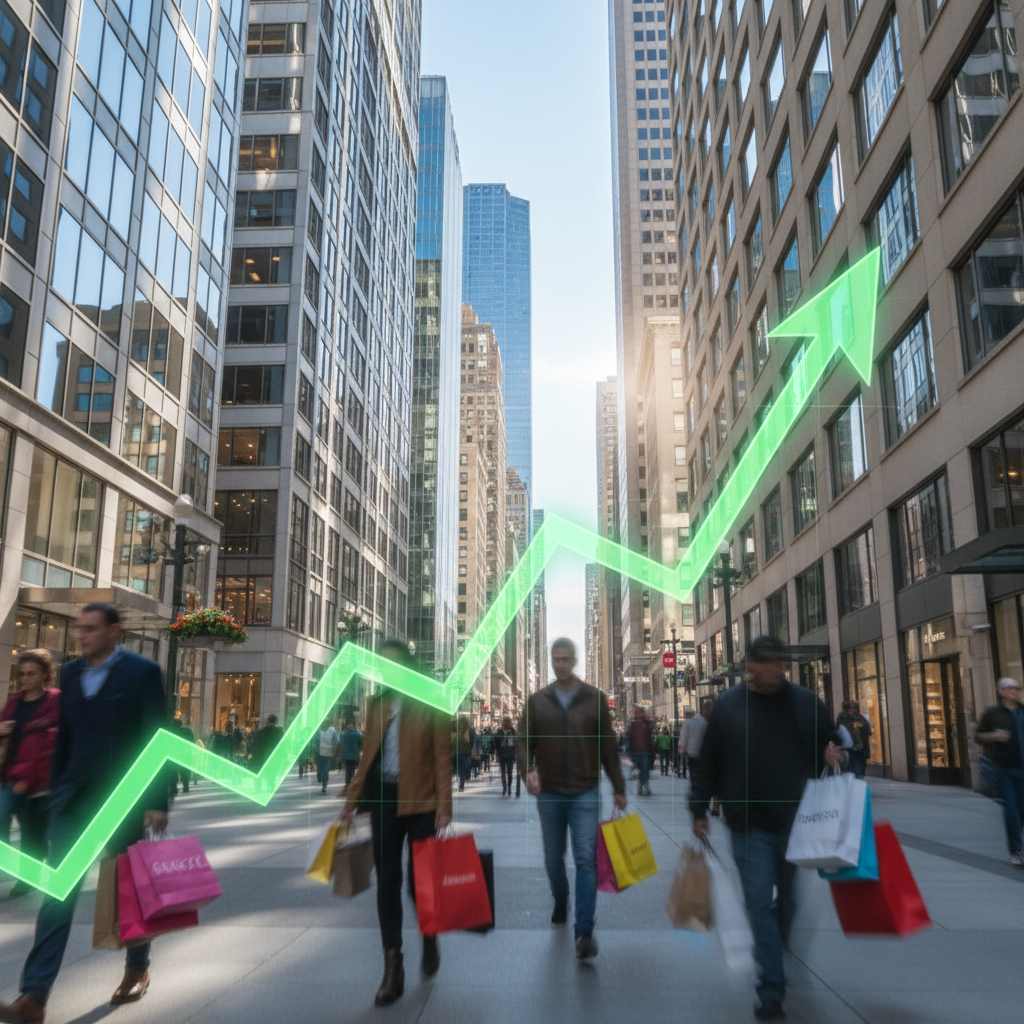
The Bureau of Economic Analysis revised its GDP estimate upward to 4.4 percent from the initial projection of 4.3 percent, this adjustment reflects stronger than expected economic activity between July and September. Consumer spending remains the primary engine of this growth, it accounts for roughly 70 percent of total output and climbed at a 3.5 percent rate during the quarter, households continued to purchase goods and services despite elevated borrowing costs.
Trade Balance and Inflation Indicators
A surge in exports also contributed significantly to the headline number, meanwhile imports declined amid ongoing trade tensions which reduced the typical drag on domestic production figures. Inflation remains a persistent challenge despite the positive growth data, the Personal Consumption Expenditures price index rose 0.2 percent in November, it currently sits at 2.8 percent annually which is still above the central bank target of 2 percent.
Policymakers Face Pressure as Inflation Persists
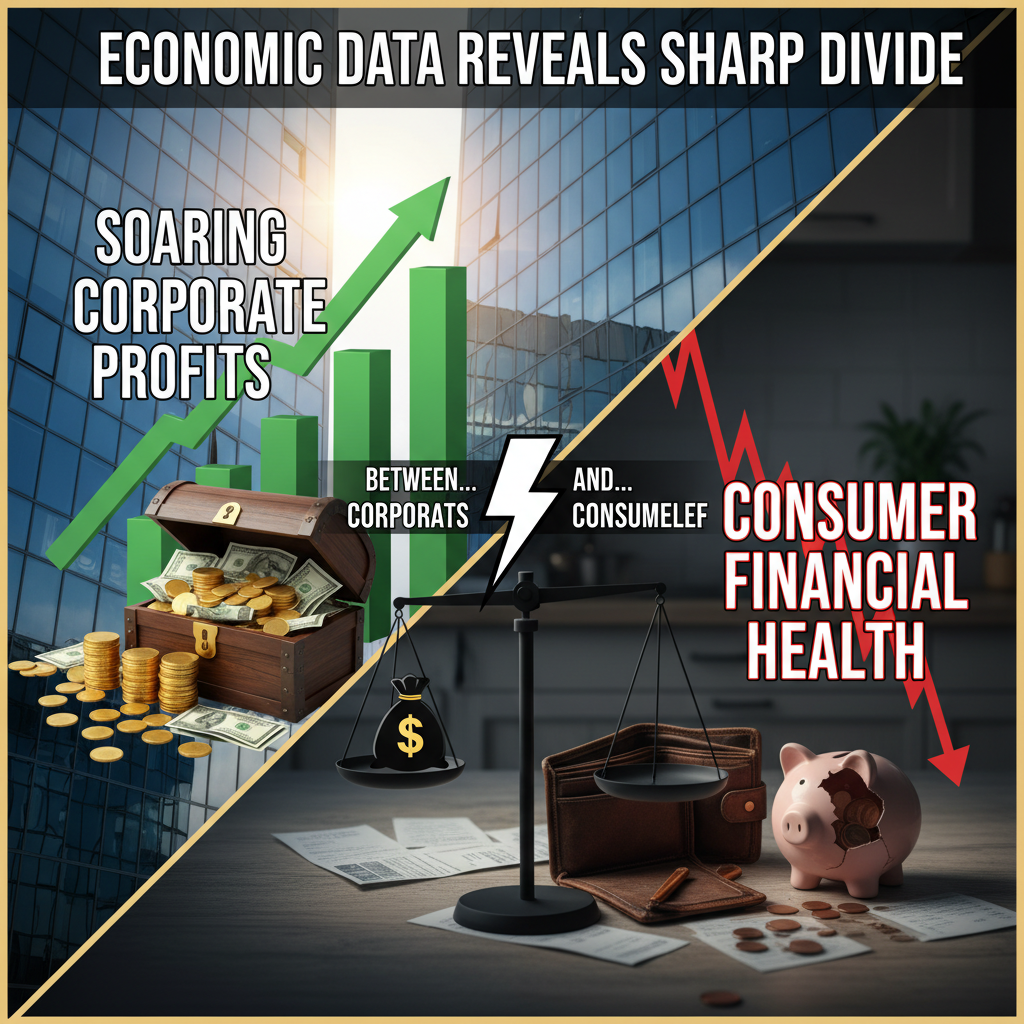
Federal Reserve officials now face a complex dilemma regarding interest rates, the combination of high growth and sticky inflation makes the path to rate cuts difficult, political pressure is mounting from the White House to lower borrowing costs despite these price indicators. American households are experiencing this economy differently depending on their income levels, high earners are benefiting from asset appreciation while many families continue to struggle with living costs, this divergence highlights a concentration of prosperity rather than broad financial relief.
The economic momentum appears set to accelerate into the final months of the year, the Atlanta Fed GDPNow model is currently tracking fourth-quarter growth at 5.4 percent, this projection suggests the expansion could strengthen further as 2026 progresses.