United States Formally Exits World Health Organization After Completing Yearlong Withdrawal Process
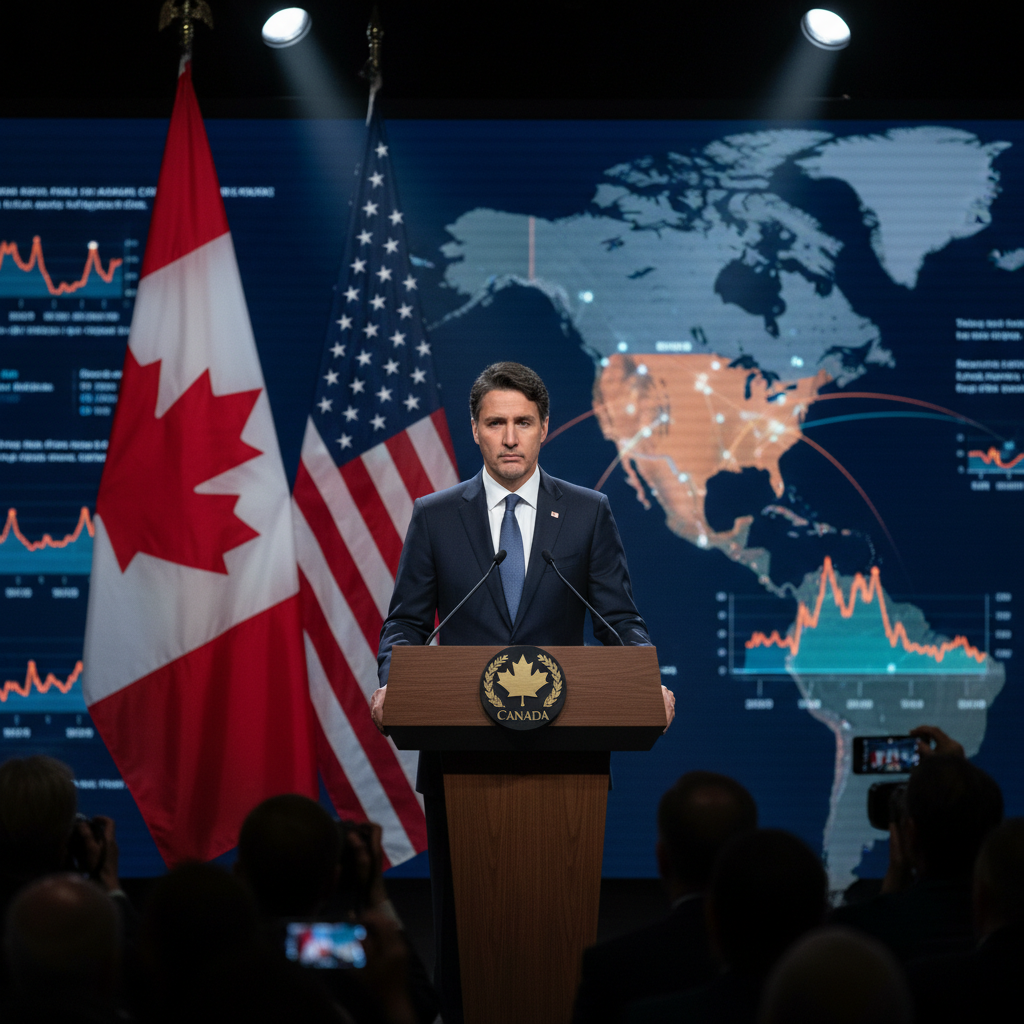
The United States officially ended its membership in the World Health Organization on Sunday, this decision concludes a withdrawal process initiated by the Trump administration exactly one year ago. The departure removes the agency's largest financial contributor and marks a major shift toward independent health policies under new leadership.
Six Years of Policy Shifts Culminate in Departure
This final separation caps a period of diplomatic volatility between Washington and the Geneva-based body, President Donald Trump first signaled intent to leave in 2020 before the decision was reversed by President Biden in 2021. The relationship deteriorated further upon Trump's return to office in January 2025, officials immediately revived Executive Order 14155 to restart the exit clock. The United States historically provided nearly 20 percent of the operational budget for the organization, the loss of this funding creates immediate fiscal challenges for international health programs. This move represents a fulfillment of campaign promises to prioritize national sovereignty over multilateral commitments.
Administration Halts Funding and Recalls All Personnel
The Department of Health and Human Services confirmed on Thursday that all requirements for exit are complete, Secretary Robert F. Kennedy Jr. stated that American staff have been recalled from global offices. The administration has ceased all voluntary and assessed financial contributions, this decision cuts approximately $450 million annually from the global health body's resources. Officials indicated that these funds will be redirected toward domestic biosecurity coordination and research into chronic diseases affecting the American population.
Financial Disputes and Policy Justifications
A significant conflict remains regarding unpaid membership dues, the international agency claims the United States still owes $278 million for the 2024–2025 period. Administration officials have refused to settle this debt, they cite the economic costs incurred by the American economy during the pandemic as justification for nonpayment. Secretary of State Marco Rubio emphasized that the move counters foreign political influence, he pointed specifically to the agency's relationship with China as a primary driver for the departure. The administration argues that the organization failed to implement necessary reforms regarding transparency and accountability.
Global Health Networks Face Funding and Data Voids
Health experts warn that the American exit creates a surveillance blind spot for emerging diseases, the Global Outbreak Alert and Response Network loses critical data-sharing capabilities without U.S. input. China has pledged to increase funding to fill the financial void, this signals a geopolitical shift in how health standards are established. The United States will now pursue bilateral agreements with specific allies rather than participating in centralized decision-making.
Member states will gather on February 2 to address the budget deficit, officials urge nations to prepare for a fragmented global health landscape. The success of this new independent strategy will depend on the rapid formation of alternative international alliances.