Vice President Vance Touts Economic Agenda in Toledo as Grant Cancellations Spark Local Backlash
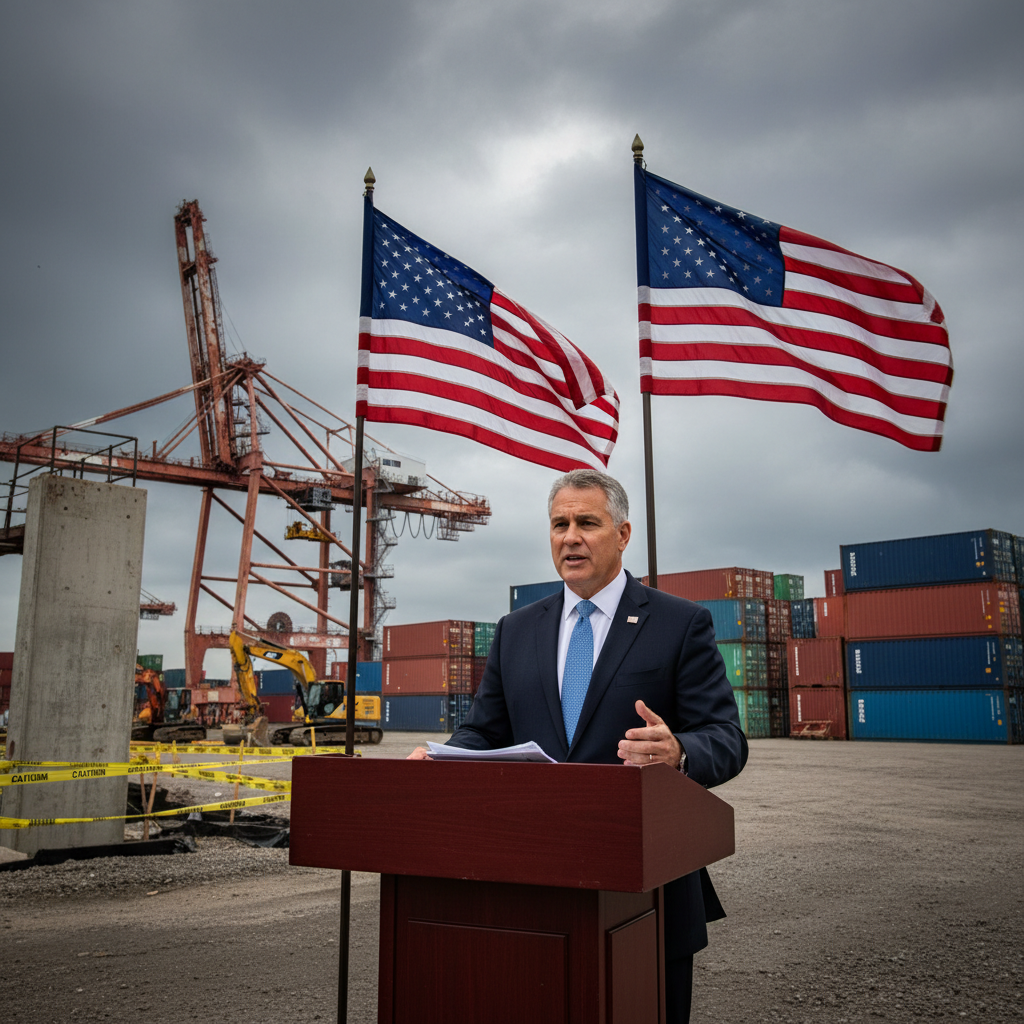
Vice President JD Vance visited East Toledo’s Ironville Terminal on Thursday to launch the administration’s 2026 midterm strategy. Although he celebrated the "Great American Comeback" and recent tax cuts, local leaders raised urgent questions regarding the abrupt termination of millions in federal infrastructure funding.
Industrial Legacy and Political Tensions Define Visit Backdrop
Toledo has a long history as a manufacturing hub which makes it a critical battleground for the upcoming midterm elections. Vance leveraged his Rust Belt background to connect with workers at the shipping facility along the Maumee River, the event served as a symbolic return to his home state. This visit comes exactly one year into the administration's second term, the White House is eager to prove its economic policies work. Inflation has stabilized at **2.7%** annually yet tensions remain high over trade wars. The region relies heavily on glass production, an industry currently caught between federal promises of growth and the reality of international tariff retaliation.
Administration Promotes Tax Cuts While Rescinding Local Project Funds
Vance highlighted the "One Big Beautiful Bill" signed last July which eliminated federal taxes on overtime pay and tips. He claimed the administration secured trillions in new domestic investment, he urged voters to support the platform of affordability and deregulation. However, the visit highlighted a sharp contradiction in federal policy as local projects face sudden funding cuts, the administration argues these moves are necessary to reduce government spending.
Specific Cuts Challenge Manufacturing Sector
The Department of Energy recently canceled a **$45 million** grant for Libbey Glass intended for hybrid electric furnaces. This decision threatens over 200 potential jobs and modernization efforts at the historic company. Additionally, the city risks losing $28.5 million for street safety improvements in East Toledo. Mayor Wade Kapszukiewicz criticized these moves, he suggested the grants were targeted for political reasons rather than merit. Vance defended the broader strategy, he argued that strict fiscal tightening and tariffs are necessary to protect American interests despite the immediate pain felt by specific local industries.
Manufacturers and Workers Face Uncertainty Amid Policy Shifts
The cancellation of green energy awards places companies like Libbey Glass in a difficult financial position. They now face a double burden of lost federal support and new 25% retaliatory tariffs from Canada. Union workers express concern that these fiscal changes could stall contract negotiations, this creates anxiety across the local labor market.
The administration plans to make the economy and immigration central themes for the 2026 elections. Officials indicate they will continue touring industrial states to rally support for their fiscal agenda regardless of local opposition.