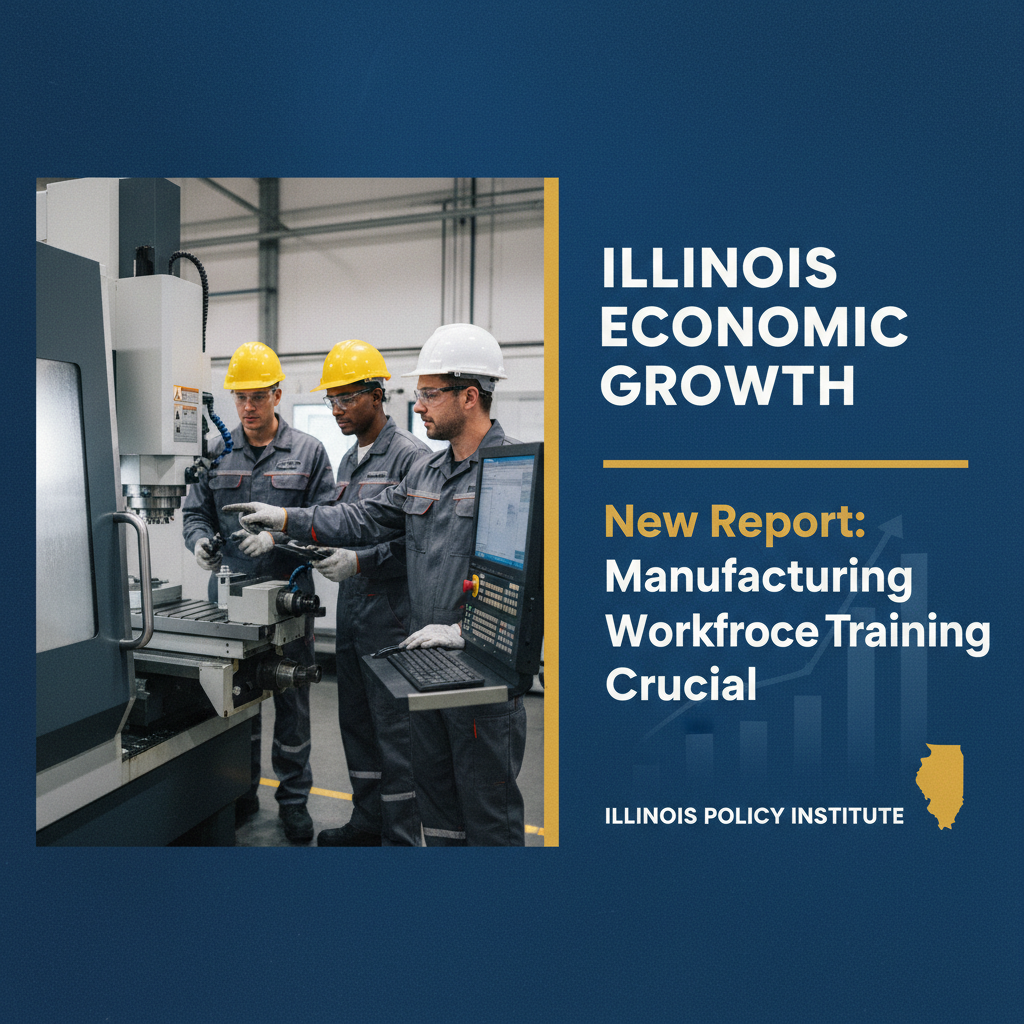
New Report Identifies Manufacturing Workforce Training as Crucial for Illinois Economic Growth
A comprehensive economic analysis released on Saturday highlights the urgent necessity for increased funding in vocational training programs, the report argues that the future financial stability of Illinois depends heavily on a skilled industrial labor pool, experts warn that failure to modernize the workforce could result in losing critical business investments to neighboring states.
Illinois Struggles with Widening Skills Gap in Industrial Sector
The manufacturing sector has historically served as a cornerstone of the state economy, yet employers have reported increasing difficulty in filling technical positions over the last decade, data indicates that a significant portion of the current workforce is nearing retirement age. This demographic shift has created a vacuum that educational institutions are struggling to fill, traditional degree paths have often taken precedence over vocational training, this trend has resulted in a shortage of workers qualified to operate advanced machinery, previous state initiatives attempted to bridge this gap but often lacked the necessary scale to effect widespread change.
Analysis Outlines Strategic Plan to Modernize Vocational Education
The newly published findings call for a systemic overhaul of how the state approaches career readiness, the recommendations include a proposal for a $50 million investment in apprenticeship programs and technical college grants, specifically targeting high-tech manufacturing roles such as robotics and precision engineering. The strategy emphasizes the need for rapid certification pathways that allow students to enter the workforce faster, this approach contrasts with traditional four-year timelines, the goal is to create a steady pipeline of talent that aligns directly with the evolving needs of modern factories.
Stakeholders Propose Partnership Between Schools and Industry
Industry leaders are urging a collaborative model where private businesses actively participate in curriculum design, this ensures that students graduate with skills that are immediately applicable in the workplace, the proposal suggests offering tax incentives to companies that host on-site training facilities. Proponents believe this direct connection will reduce onboarding costs for employers, it also provides students with guaranteeable employment opportunities upon completion of their courses, officials note that this public-private partnership model has seen success in other manufacturing hubs globally.
Businesses and Job Seekers Stand to Gain from Proposed Changes
Successful implementation of these workforce strategies could generate thousands of high-paying jobs within the next five years, small to mid-sized manufacturers would see the most immediate relief from chronic labor shortages, job seekers entering the field could command higher starting salaries due to specialized training certifications. The broader regional economy benefits from increased production capacity, this growth translates to higher tax revenues and greater community stability, local chambers of commerce have expressed strong support for the initiative.
State legislators are expected to review these recommendations during the upcoming spring session, officials urge community leaders and educators to prepare for potential curriculum adjustments later this year.