South Korea Economy Shrinks in Fourth Quarter While Artificial Intelligence Sector Offers Hope for Recovery
South Korea reported a surprise economic contraction for the final quarter of last year, the decline defies analyst expectations for growth, data released on Thursday shows a sharp divergence between struggling domestic demand and a booming technology sector.
High Interest Rates and Inflation Continue to Stifle Consumer Spending Power
South Korea has battled aggressive interest rate hikes over the past two years, policymakers aimed to curb inflation but inadvertently slowed consumer activity, households have tightened budgets in response to rising living costs. This reduction in spending has weighed heavily on the broader economy, retail sales and service sector output have struggled to gain momentum, debt repayment burdens remain at record levels for many citizens.
The nation relies heavily on global trade to drive its financial health, global supply chain disruptions previously hampered growth, recent stability had sparked hope for a stronger finish to the year. Experts have closely watched the Bank of Korea for signs of policy pivots, the central bank has maintained a restrictive stance to ensure price stability, the unexpected contraction suggests that the tight monetary policy is biting harder than anticipated.
Fourth Quarter GDP Data Reveals Contraction Despite Strong Semiconductor Performance
Official data indicates the Gross Domestic Product fell in the December quarter, this contraction contradicts market forecasts that predicted a modest expansion, the slump stems primarily from weak construction and service sectors. Domestic investment has stalled as companies hesitate to expand facilities amid uncertainty, private consumption dropped significantly compared to the previous quarter, the pullback spans across durable goods and leisure activities.
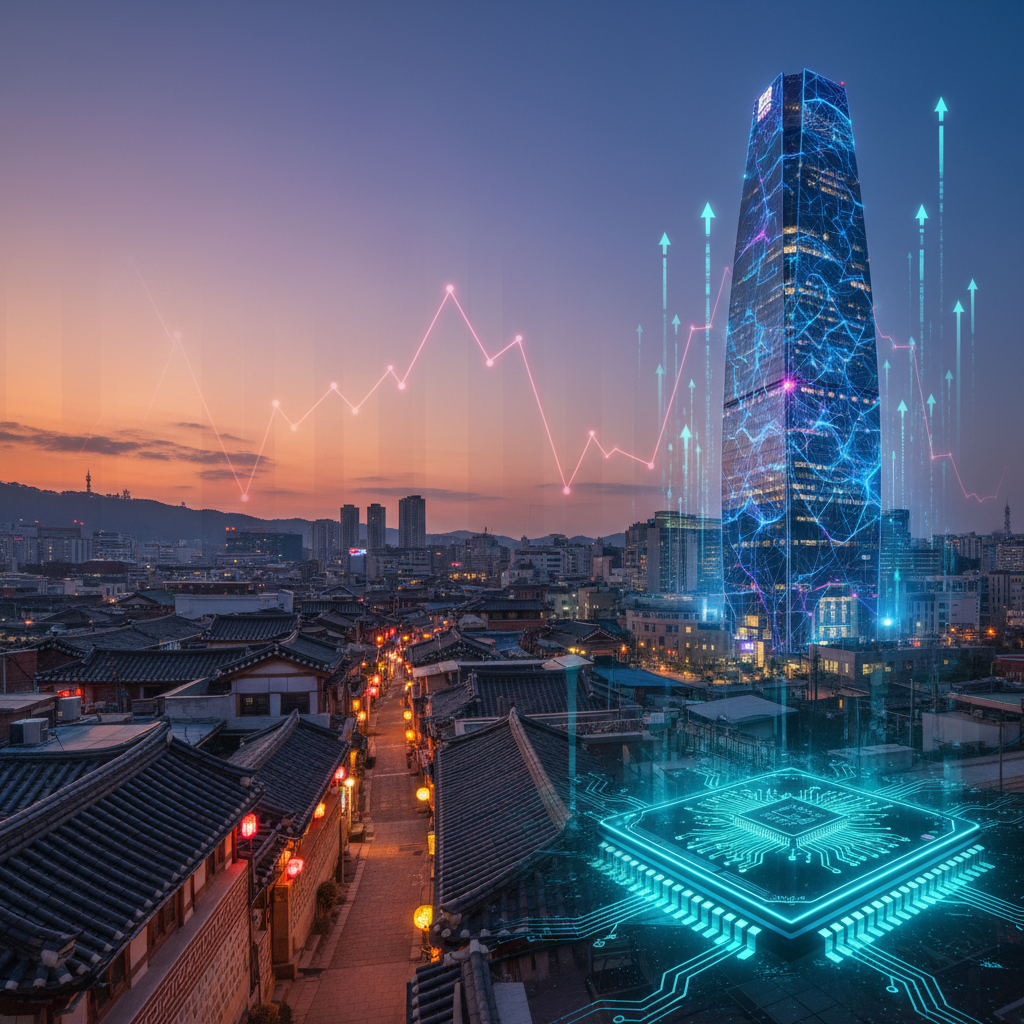
Manufacturing remains a bright spot solely due to the artificial intelligence boom, global demand for high-bandwidth memory chips continues to soar, South Korean tech giants are central to this supply chain. Exports of semiconductors provided a crucial buffer against a deeper recession, the volume of high-tech shipments hit record highs in late 2025, international tech firms are aggressively purchasing hardware to power generative AI models.
Technology Sector Divergence
Analysts note that without the surge in AI-related hardware sales, the economic picture would be significantly grimmer, the gap between the thriving semiconductor industry and the sluggish domestic economy is widening, this reliance on a single sector creates vulnerability to global market shifts.
Central Bank May Cut Rates as Artificial Intelligence Exports Drive Future Growth
Economists predict this contraction will force the central bank to adjust its strategy, rate cuts may arrive sooner than initially planned to stimulate domestic consumption, small businesses and homeowners stand to benefit from potential lower borrowing costs. The divergence between the export sector and the domestic market creates a challenging "two-speed" economy, the technology sector is poised for record profits in 2026, the government is likely to introduce measures to boost local demand.
Policymakers now face the difficult task of balancing inflation control with economic stimulation, officials urge caution regarding the immediate outlook, the strong performance of AI exports suggests a rebound is possible later this year.